
‘Prove you’re worth substantial costs’: Union’s message to failing hospitals trust boss
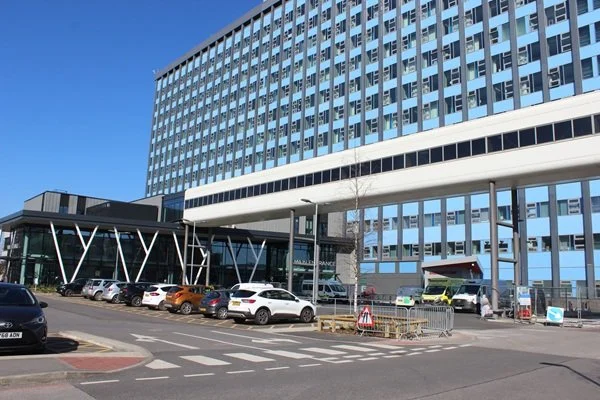
SPECIAL MEASURES: Hull Royal Infirmary
By Rick Lyon, Co-Editor
A union has said the chief executive and ‘improvement team’ at the region’s underperforming hospitals trust must prove their worth, after The Hull Story revealed they have been claiming thousands of pounds in expenses.
Hull University Teaching Hospitals NHS Trust (HUTH), which manages Hull Royal Infirmary and Castle Hill Hospital, is currently ranked the worst in the country by NHS England.
It has also been named as one of five trusts nationally to be placed in a new Government ‘intensive recovery’ programme, which could include changes in leadership.
HUTH is part of the wider NHS Humber Health Partnership (HHP) group, which includes Northern Lincolnshire and Goole NHS Foundation Trust (NLaG). NLaG is another of the trusts placed in special measures.
Despite the partnership having a cost savings target in excess of £100m this year, and staff having apply to senior management to buy basic items such as pens and pads of paper, chief executive Lyn Simpson and the team brought in to turn its performance around have been spending thousands on hotel stays and travel.
Ms Simpson, who is on a salary of £279,162 a year, has claimed £4,875 for 39 overnight stays since July 2025 – £125 per night. She has also claimed £629.65 in travel costs.
The breakdown of the team’s claims is:
Sue Page – £4,582.13 on accommodation, £1,314 on travel
Moira Angel – £3,382.87 on accommodation, £1,410.40 on travel
Mark Graham – £4,206.23 on accommodation
Hilda Gwilliams – £1,431 on accommodation.
UNISON Yorkshire and Humberside regional organiser Brendan Caffertysaid: “Clearly there will be a cost involved in improving things at Hull, but the expenses being claimed by the chief executive and her improvement team are substantial.
“Staff and the public will understandably have concerns, so it’s vital that the chief executive can demonstrate that the benefits of the improvement team far outweigh these costs.
“UNISON has met with the chief executive and made it clear that NHS staff and the people of Hull will expect clear evidence that the improvement team know what they are doing, and have plans to make significant positive changes.
“Senior figures must prove they’re worth the money.”
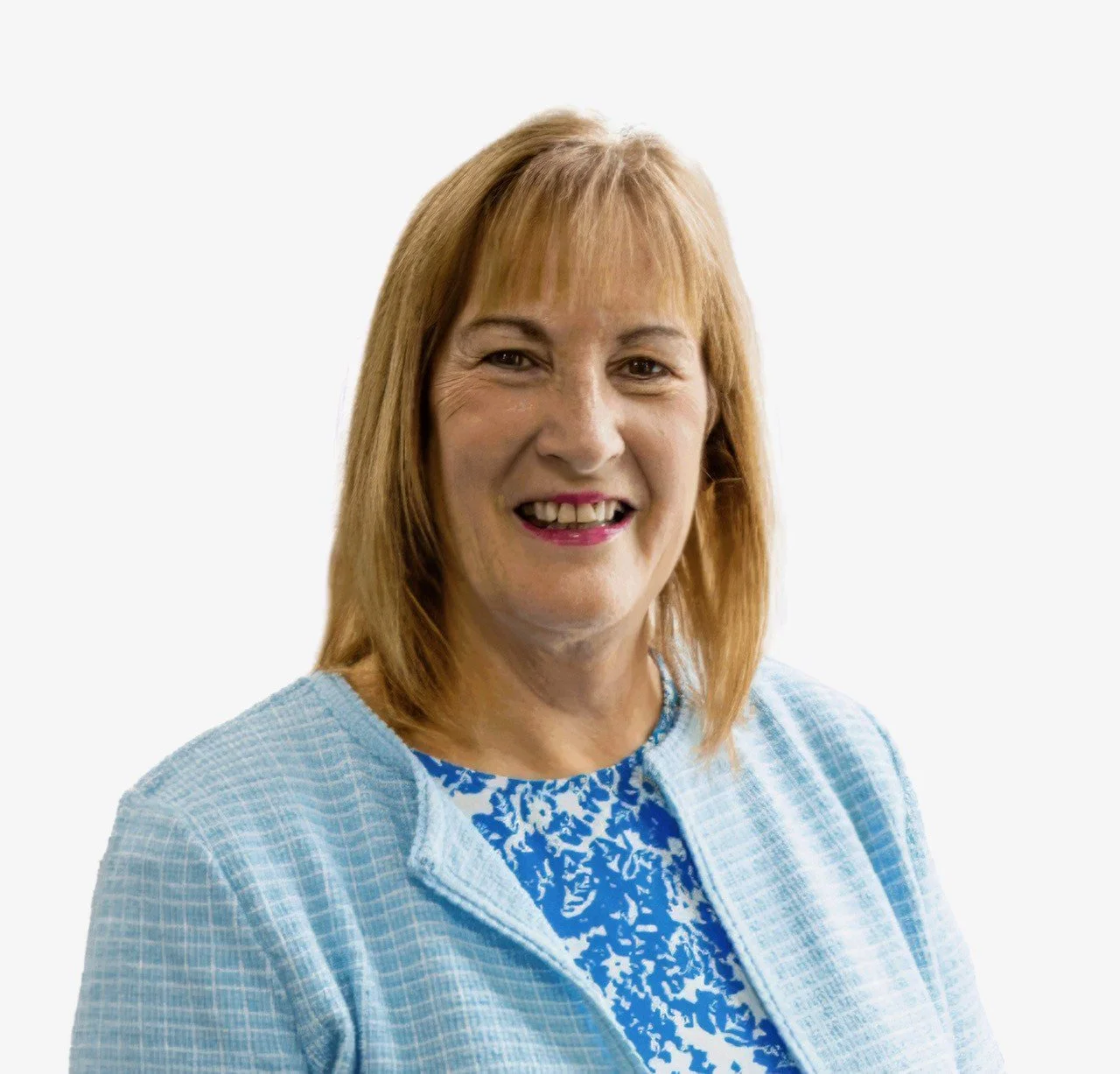
EXPENSES CLAIMS: Lyn Simpson
HUTH has fallen from 123rd in September to 134th this month in NHS England’s Acute Trust League Table.
The table forms part of NHS England’s Oversight Framework, which it describes as “a consistent and transparent approach to assessing NHS trusts, ensuring public accountability for performance”.
Under the framework, trusts are graded from a ‘segment rating’ of 1, which is judged to be “high performance”, to 5, which is classed as “significant concerns”.
HUTH had been segment 4 but has been informed it is being reclassified as segment 5.
The trust is performing worse than the national average for every measure on the NHS England Data Dashboard, including for cancer treatment and A&E waiting times, and remains rated ‘Requires Improvement’ by the Care Quality Commission (CQC).
Hull’s three MPs have also expressed serious concerns over claims of a “bullying culture” at the trust.
A spokesperson for the trust said: “The challenges facing our hospitals are not new and have been clearly evident for some time, with staff consistently telling us things have not been right for a number of years, including through the NHS Staff Survey.
“For example, staff have been raising concerns for several years about decision-making and whether reporting problems leads to change, and some Care Quality Commission recommendations have remained unfinished since 2019.
“Last summer, our interim CEO was asked by NHS England to step in and take a clear, open approach to understanding the scale of these long-standing issues.
“Since then, a small team, introduced with NHS England’s support and made up of NHS secondees and senior leaders with decades of NHS leadership experience working in challenged organisations, has worked alongside clinicians across our hospitals and services to bring these issues together for the first time and develop the partnership’s first clinically-led improvement plan.
“As a result, we have strengthened the voice of our clinicians in decision-making, ensuring those delivering care are shaping how services are run and strengthening patient safety.
“These changes, and the focus on safety the plan brings, are reflected in this month marking the first consecutive three-month period without a clinical Never Event since the partnership’s formation in 2024.
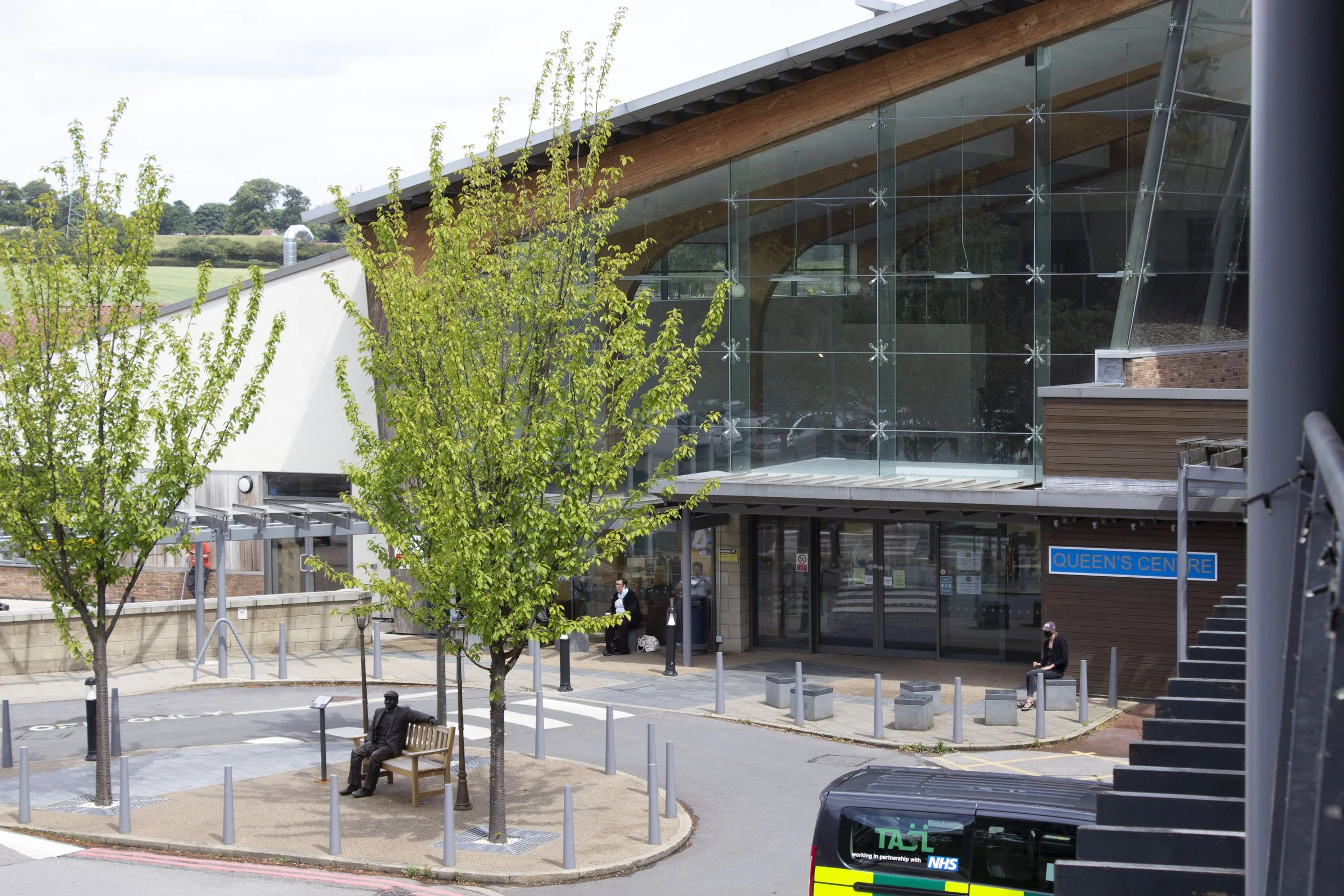
FAILING TRUST: The Queen's Centre at Castle Hill Hospital
“This temporary support is now drawing to a close, and we are moving into the next phase of delivery through NHS England’s Intensive Recovery Programme, focused on delivering the improvements set out by our clinicians, and strengthening leadership across our sites.
“We want to recognise the significant contribution of the team working alongside our experienced clinicians to develop the partnership’s improvement plan. They have helped ensure we are listening to our clinicians and acting on their priorities, restoring a clarity that had been lost over time.
“We are enormously grateful to our patients and communities for their continued support, and we recognise the impact these challenges have had over a number of years, while our colleagues have continued to deliver care in sometimes difficult circumstances.
“There is still a lot of work to do. These challenges have developed over many years and will not be resolved overnight, but we now have a clear, clinically-led plan and the right focus and support to deliver sustained improvement for patients across the Humber.”
HUTH has so far ignored repeated requests by The Hull Story to interview Ms Simpson.