
Kath’s Jungle Diary: ‘Each life is precious and cared for to the highest standard’
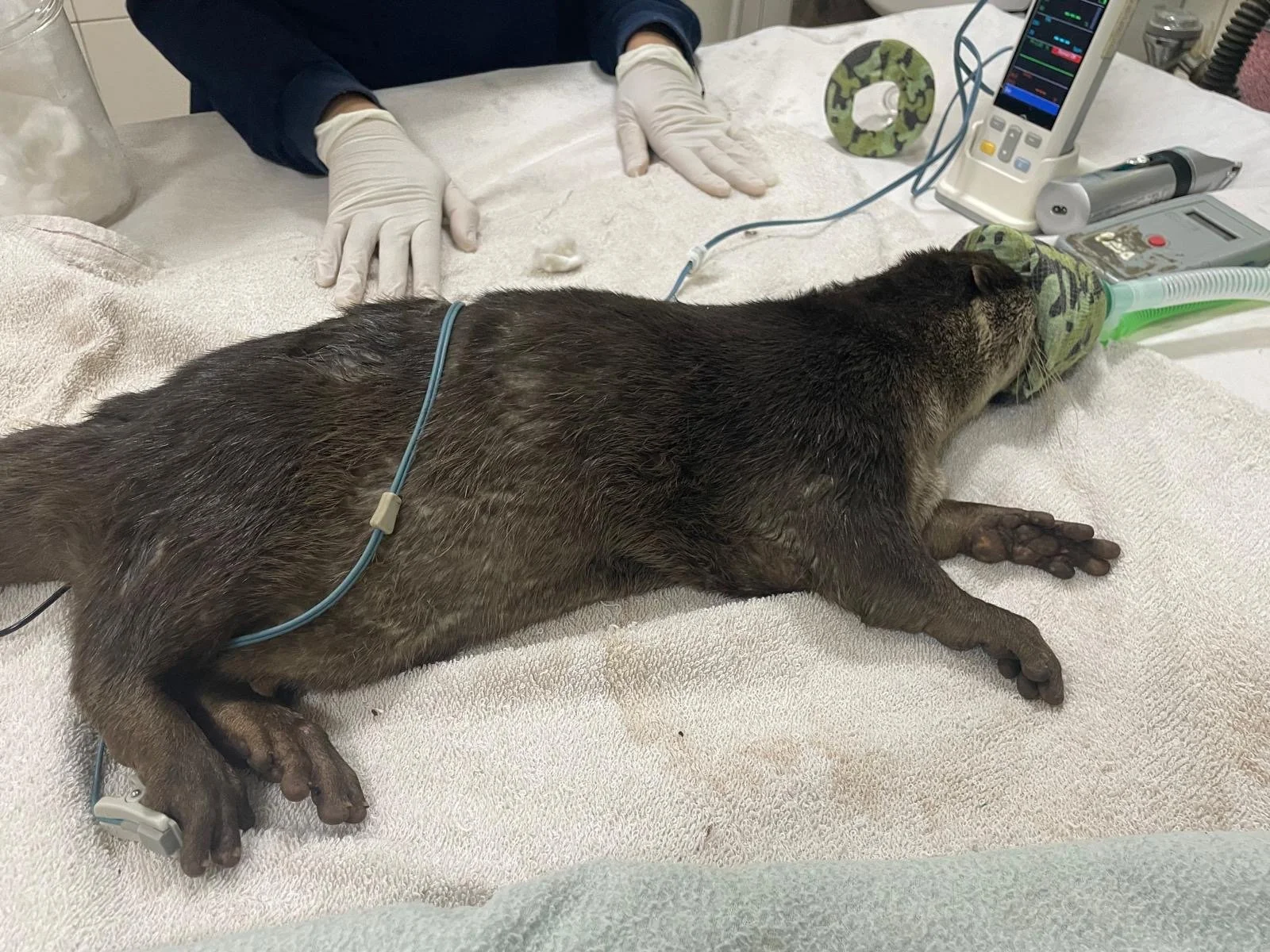
EXPERT CARE: A health check for Bryan the otter
Kath Roe, a veterinary nurse from Beverley, has been on a month-long internship at a wildlife rescue centre in Indonesia. This is the last excerpt from her diary
I may be institutionalised…
This week, Boas, the tallest of the tall boys, pointed out after rinsing himself off with the hosepipe again instead of taking a shower, that personal standards may be slipping. I know what he means.
There’s something very freeing about perpetual work clothes, wellies and everyone smelling just as bad as everyone else by 4pm. The 4km round trip to the local village shop requires no change from this as it’s a steep, rocky, humid trek. I often return looking like I’ve just showered (I haven’t). Though the cold shower here is a delight, shampoo is becoming a distant memory, and the cleanser I brought for my old lady face remains in a bag somewhere. Yes Boas, standards are indeed slipping.
Much excitement then when we’re given an excuse to spruce up with the arrival of an invitation to a local wedding, simply addressed to ‘The Bule, Cikananga’. I should explain: Bule (pronounced boolay) is an Indonesian term for white people, not at all derogatory, just factual.
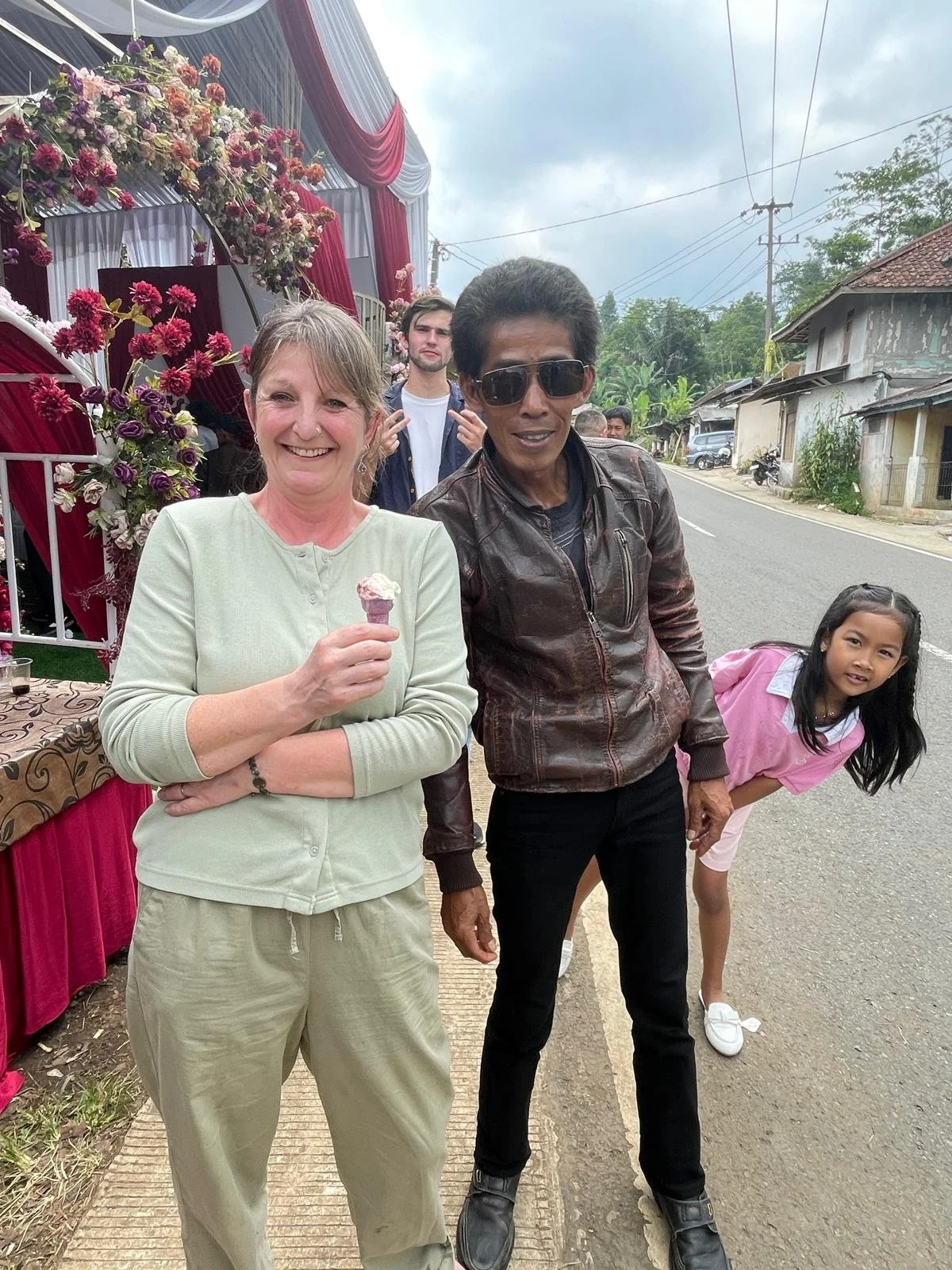
STRIKE A POSE: ‘We’re often stopped for photographs’
In this remote, rural community, white people are rarely seen and we’re very popular. It takes some getting used to. Everywhere we go people wave and smile, children rush out of houses down the lane shouting “Hellooo!” in English, and we reply in limited Indonesian (we’ve been having weekly lessons – I’ll get to that), and always there are photo opportunities.
We’re often stopped by random residents to have pictures taken with them. The lady who provides the food at the centre invited us all for dinner one night during the Eid festival and we were videoed arriving at the house and many photos on phones were snapped of us with the whole family. Apparently, us white folks visiting increases social status but that doesn’t detract from the amazing friendliness and hospitality we receive from the local people here.
The wedding is possibly one of the most surreal experiences of this trip. A large marquee, beautifully decorated in silks and flowers, has popped up at the roadside near the village shop. We are ferried in, stared at in a cheerful way, and given food. All the while there are people surreptitiously aiming their phones at us, but most are not surreptitious at all.
Giggling teenage girls shyly approach for photos with the tall, and let’s face it, handsome boys. There are requests for white hands to be placed upon pregnant bellies for luck, and Clever Chris is asked to hold a baby (a first for him, and much relief all round that he doesn’t drop it!).
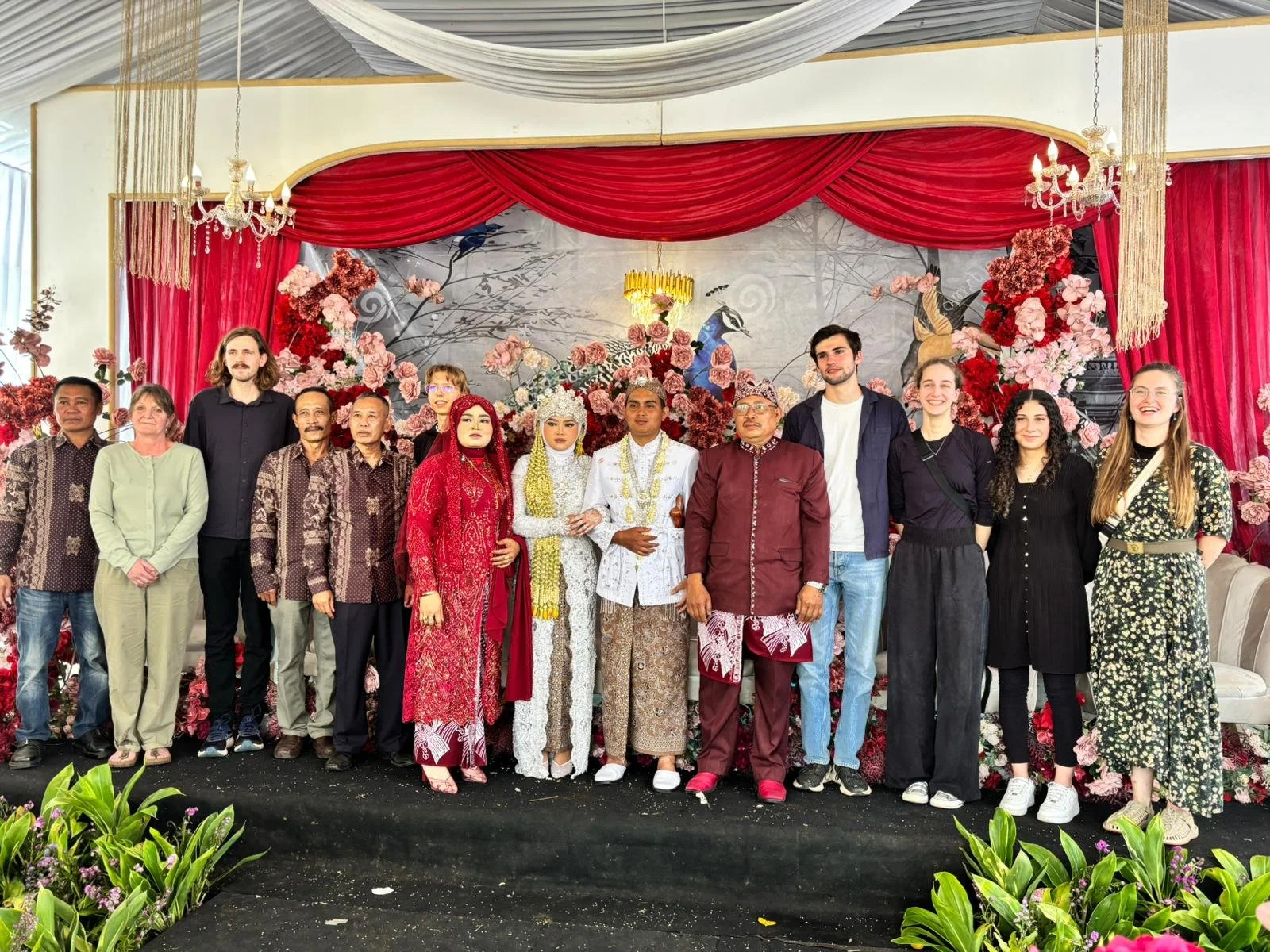
HONOURED GUESTS: The volunteers were invited to an Indonesian wedding
We’re then ushered onto the stage for more (official) photos, this time with the entire wedding party. The bride and groom are resplendent, and look suitably terrified, but I don’t think it’s because of us. Outside we’re treated to very colourful ice cream and music, until it’s time to head back to our wellies. Traffic is held as we drive away, waved at constantly by children and guests. Never have I felt more like Meryl Streep.
Our attempts at Indonesian have been encouraged by the wonderful Education Officer at the centre. Responsible for the various education programmes run here and in the wider community, our Guru Fifit is the woman who was born to teach. She’s one of those people that exudes joy and light wherever she goes.
Her patience and enthusiasm in the classroom makes our attempts at learning Indonesian a pleasure. The results have been variable to say the least, but through no fault of the Guru. We love her. That little smiley face wrapped in a hijab cannot fail to brighten your day.
She’s also brightened the occasional bonfire party, turning up with her guitar, proving to be a talented musician with a beautiful singing voice. She teaches us Indonesian, and we teach her, well, things we discourage her from googling. She has a very healthy curiosity about the world beyond hers, but says she always has to pray a little harder after spending time in the canteen, where evenings involve much laughter, oversharing and inappropriate conversations.
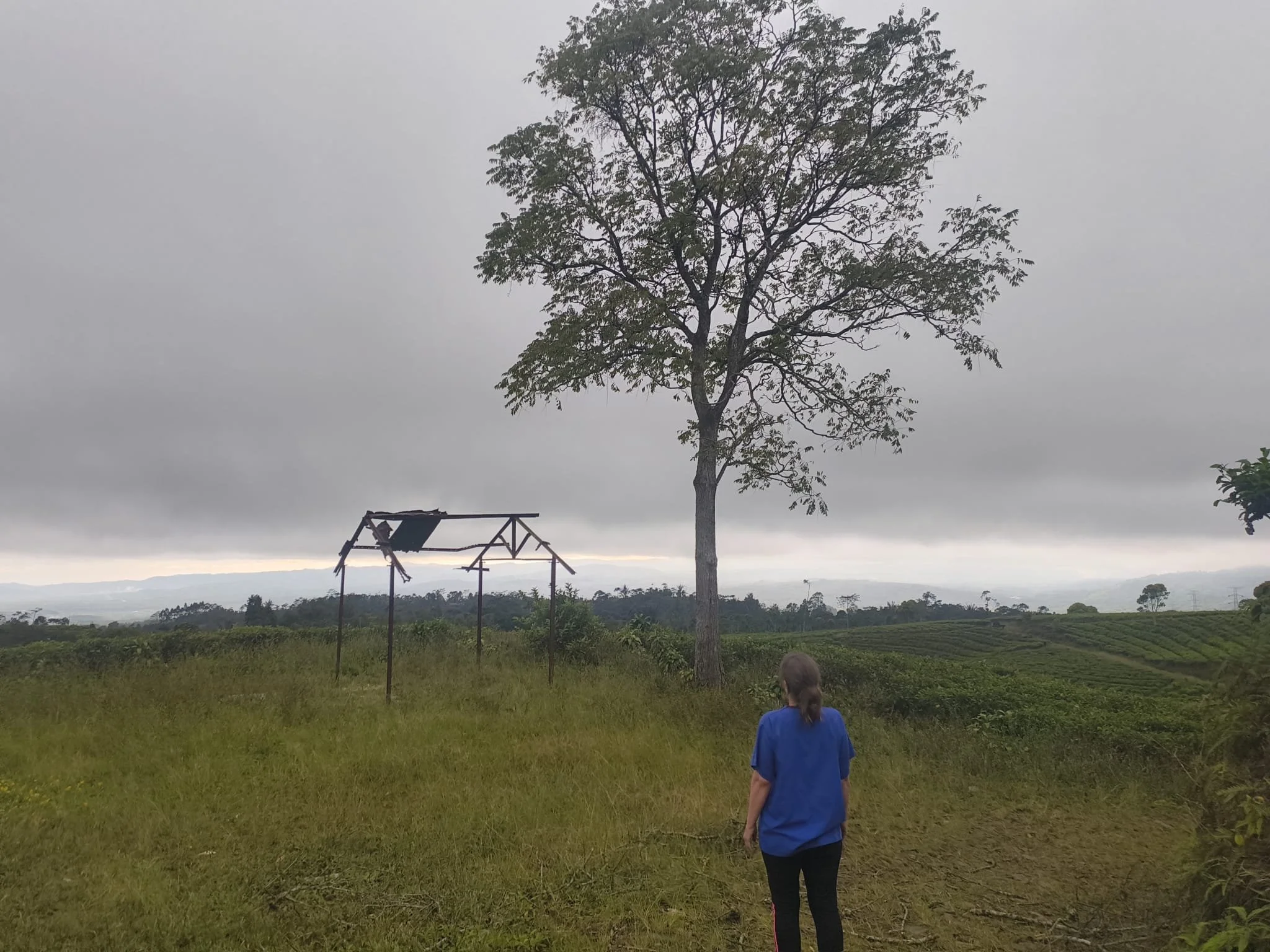
ENVIRONMENT: ‘The climate here is not kind to structures’
In the words of Johnny in Dirty Dancing, everyone works here. People have job titles and specific responsibilities, but all pitch in with whatever needs doing. When assigned tasks are completed, the first question is ‘who else needs help?’ Finished cleaning out the turtles? Go to Enrichment (Arts and Crafts – remember?) Done feeding the otters? Go to Enrichment. Can’t paint the outdoor aquarium because it’s raining? Go to Enrichment.
Always there are things to be foraged, recycled, cleaned and utilised. Enrichment is a complicated business, so I’ve provided a picture of the board with the main principals on it to save myself a few paragraphs. Peruse at your leisure.
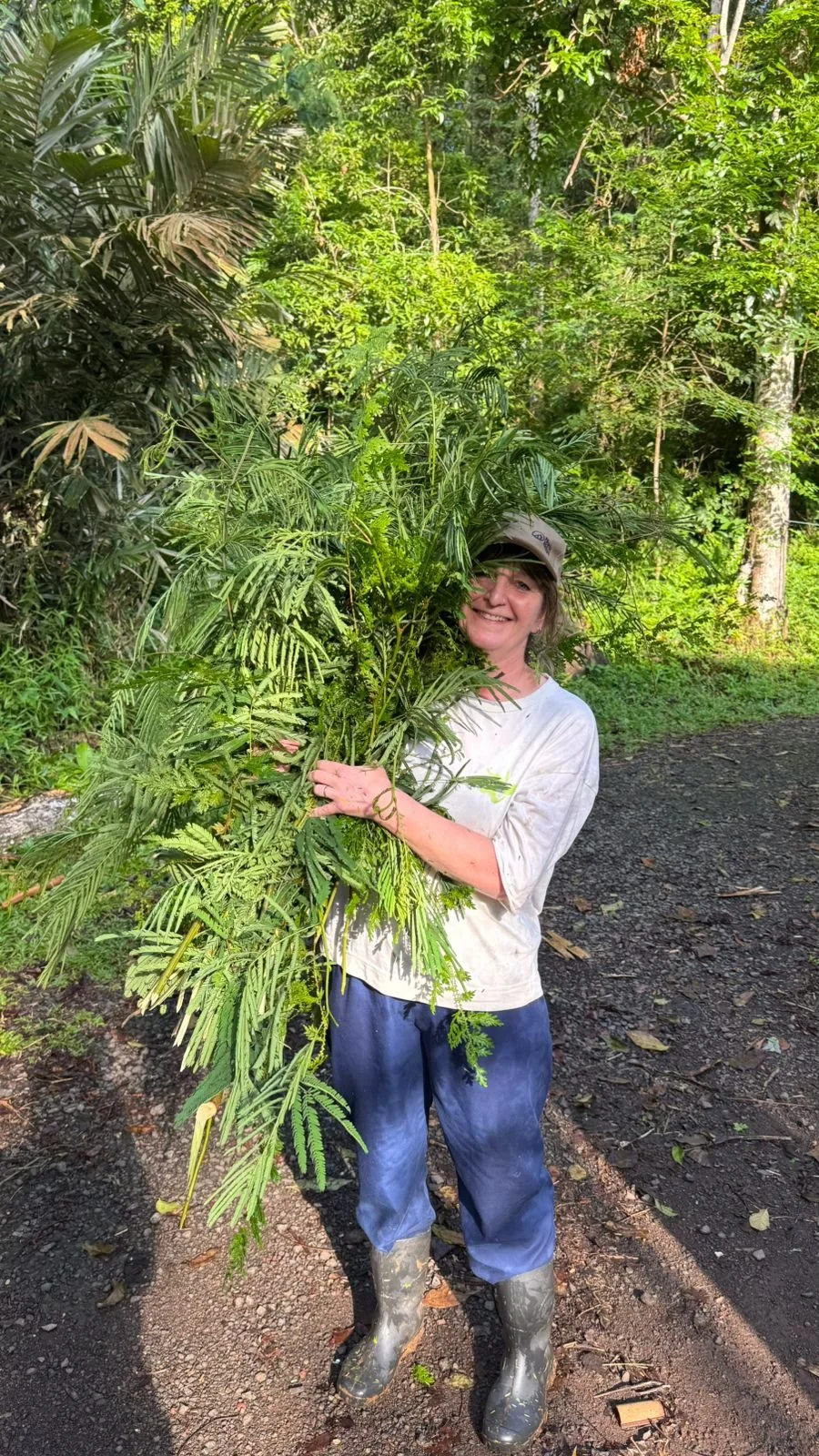
Each day different creations, specific to each species, provide stimulation, relieve boredom and encourage natural behaviour. I’ve made a hammock for the civets, tied leaf parcels for monkeys, strung up egg boxes full of nuts for hornbills, skipped about with a machete, Lara Croft-style, collecting Calliandra branches for gibbons, and been confused by fruit.
Andy: “Can you get me the watermelon for Hunny the sun bear?”
Me (pointing): “Is this it?”
Andy (sighing): “No Kath, that is a coconut!”
Who knew they come in green!
Hunny has been at Cikananga since 2005. A friendly, cheerful bear, she was still very young when rescued from a Chinese restaurant, where she was kept in a small cage intended to be on the menu, bear meat still being traded and consumed sometimes. Often mothers are shot and cubs taken at a very young age have prolonged exposure to humans and as a result don’t have the opportunity to develop normal behaviours that are essential for survival in the wild.
The centre always strives to rehabilitate animals in their care but in Hunny’s case, too imprinted by early experience, it wasn’t possible to reach a level suitable for release. Now around 20 years old she remains strongly attached to people, becoming stressed without interaction, and receives lifelong care here. She’s slowing down a little (aren’t we all) but is still playful and engaged, enjoying daily enrichment often involving her favourite treats – melon, and honey of course.
James, a pig-tailed macaque, is also a long-term resident, having been rescued by the organisation Jakarta Animal Aid Network back in 2013. His history is patchy but it’s believed he was kept as a pet for at least a year, on a short chain in poor conditions. It was reported that he was given beer and drugs, no doubt to keep him subdued, and was highly reactive to men upon arrival.
Knowing so much now about the long-term effects of childhood trauma and learned behaviour, his stereotypical stress-related responses of self-biting and slapping were unsurprising. Over time he has learned to trust his dedicated keepers, but even after 13 years of safety he remains wary of strangers, retreating to the back of his enclosure, sometimes with a paw over his little pink bottom.
His lack of normal social learning has made it difficult for him to interact with his own species, which is heartbreaking as they are usual very social, but he prefers his own company. Housed separately next to other macaques, he pays them little attention but is coping well.
Sadly, these are not isolated cases. All over Indonesia the illegal pet trade is thriving. Infant primates, bears, otters, crocodiles, pangolins, reptiles, songbirds and many other species are bought and sold, kept as pets or for meat in sometimes appalling conditions.
The lucky ones find their way here. The word ‘sanctuary’ doesn’t begin to cover the work being done at Cikananga. I arrived with no expectations (I find that’s the least disappointing way to get through life), but even the greatest expectations I might have had have been excelled.
In every way, animal welfare is the top priority. Each life is precious and cared for to the highest standard. The veterinary team and keepers work cheerfully and tirelessly to provide an amazing level of treatment and regular health checks without compromise, despite often limited resources. Nutrition is meticulously worked out by Jess, the Animal Welfare Manager, who also ensures environments are suitable to each species, and monitors health and behaviour constantly.
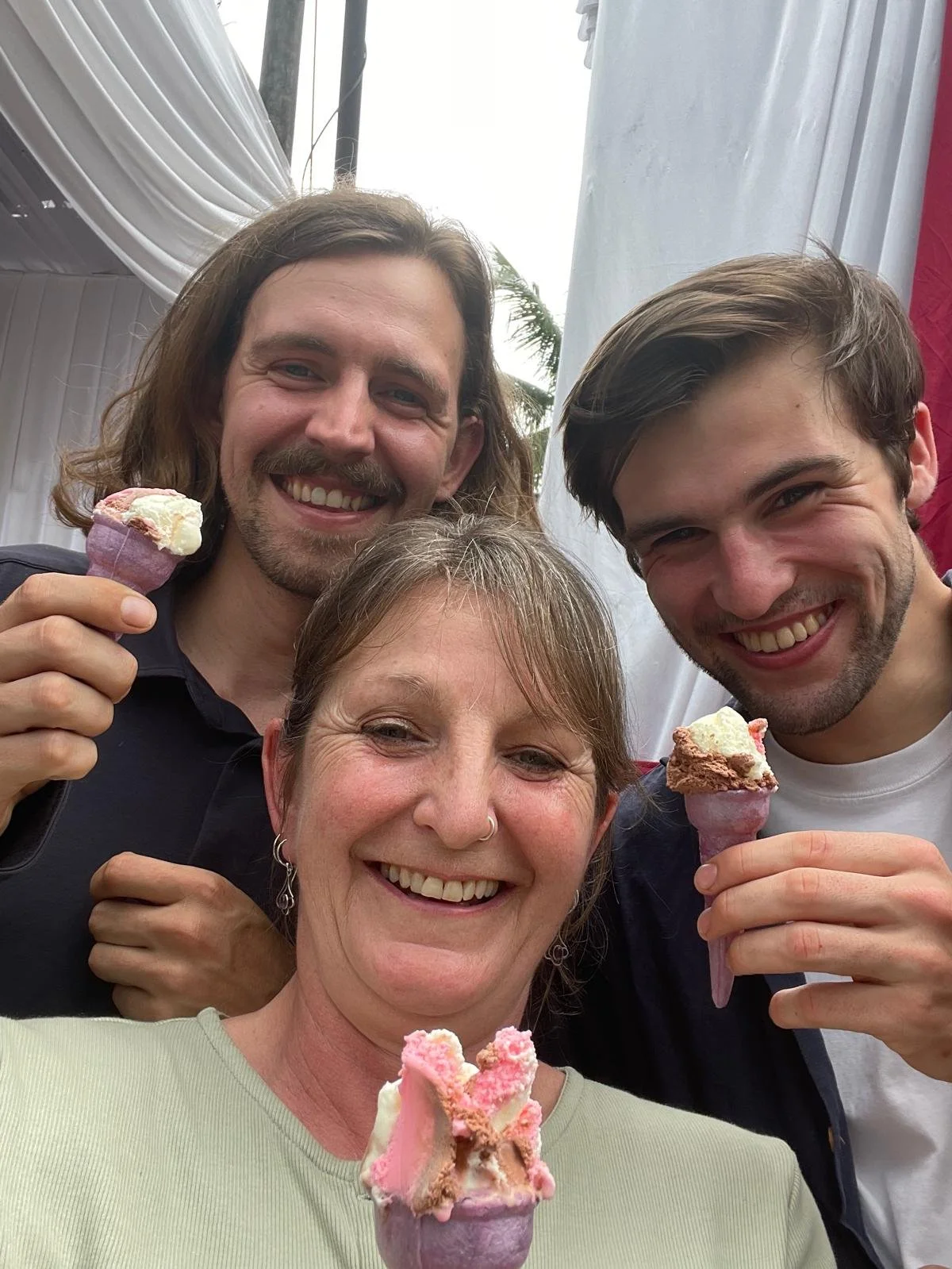
DELICIOUS: Kath and friends enjoy a wedding ice-cream
In addition to wildlife rescue and rehabilitation, Cikananga houses The Sustainability Farming Programme. This beautiful oasis set up in 2020 and run by Scott, is completely organic and provides as much food as possible for the centre with the long-term aim of being self-sufficient. (What that man has created in six years with only a handful of employees is beyond belief, as are his papayas!).
Also incredibly important is the Conservation Breeding Programme, run by Bertie, working to prevent extinction of endangered species such as the Javan Warty Pig (Sus verrucosus – another on my ‘bring home’ list), Black Winged Myna and Javan Green Magpie (yes, the magpies come in green!) In every way Cikananga is unique and amazing, but none of this comes easy.
Initially established in 2001, receiving no financial support from the government, Cikananga struggled to survive after its main sponsor withdrew in 2006. Just a small number of dedicated volunteers remained to care for the animals until 2009, when a veterinary nurse from the Netherlands established The Wanicare Foundation, now a core partner of the wildlife centre.
Willemijn worked as Manager of Cikananga for ten years until 2018, and still plays a role at the centre, with Wanicare providing continuing financial and hands-on support. I’ve had the pleasure of spending time with this very hands-on, Amazonian warrior woman and I’m in awe of her drive and dedication (and ability to climb near vertical ladders!). That awe extends to all the staff here.
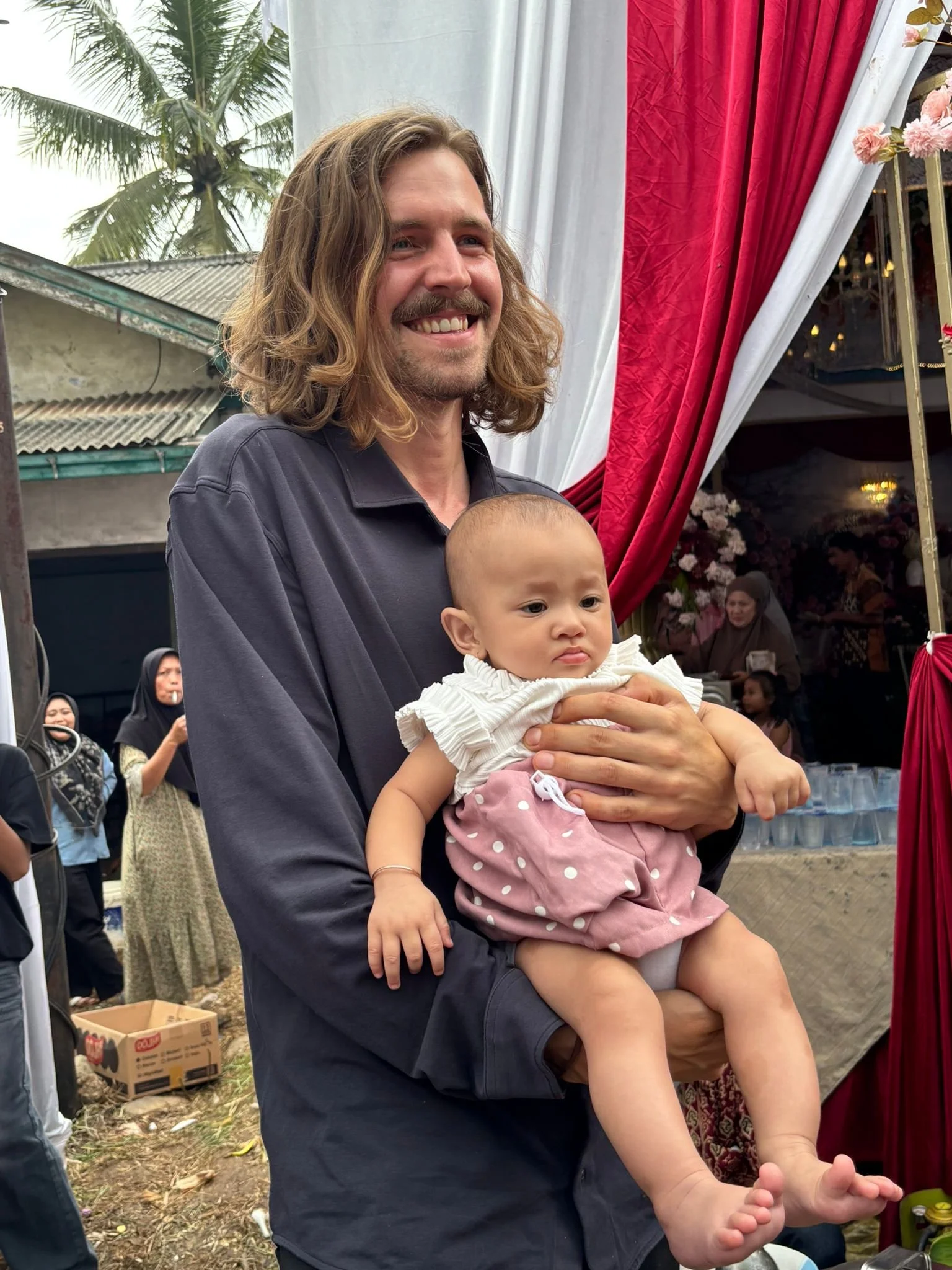
MAKING FRIENDS: ‘Clever Chris’ was asked to hold a baby at the wedding
Lorenza has an endless workload but keeps all us ducklings in order, has quiet breakdowns, makes a mean cheesy pasta and can open beer bottles with a lighter (impressive!). Fifit explodes sunshine on all she meets, and her education programmes reach communities far and wide promoting the core principals of the centre. Jess (who I for some reason keep calling Ellie) is devoted to the well-being of every creature in her care.
As well as being the Strategic Director here, Bertie is a top-notch breeder. Scott is a machine and his bananas are the best I’ve ever tasted.
The struggle to improve and grow continues. Repairs and maintenance here are a Severn Bridge situation. Relying solely on funding from sponsors, there is a strict priority list. The climate is not kind to structures. Metal rusts, wood rots and concrete crumbles at a rate of knots.
The veterinary clinic is in desperate need of a haematology machine. We’re spoilt in the UK now, but anyone old enough to remember doing differential white blood cell counts by hand (some swift revision for me, along with the worm egg counts!) will know how time consuming it is, and they do a lot. Hands up who used to develop X-rays in litter trays in a cupboard under the stairs? Thought so, not many of us left. They dream here of digital. Yet still, the care and professionalism equals that of any practice I’ve worked in over the last 40 years (good God!).
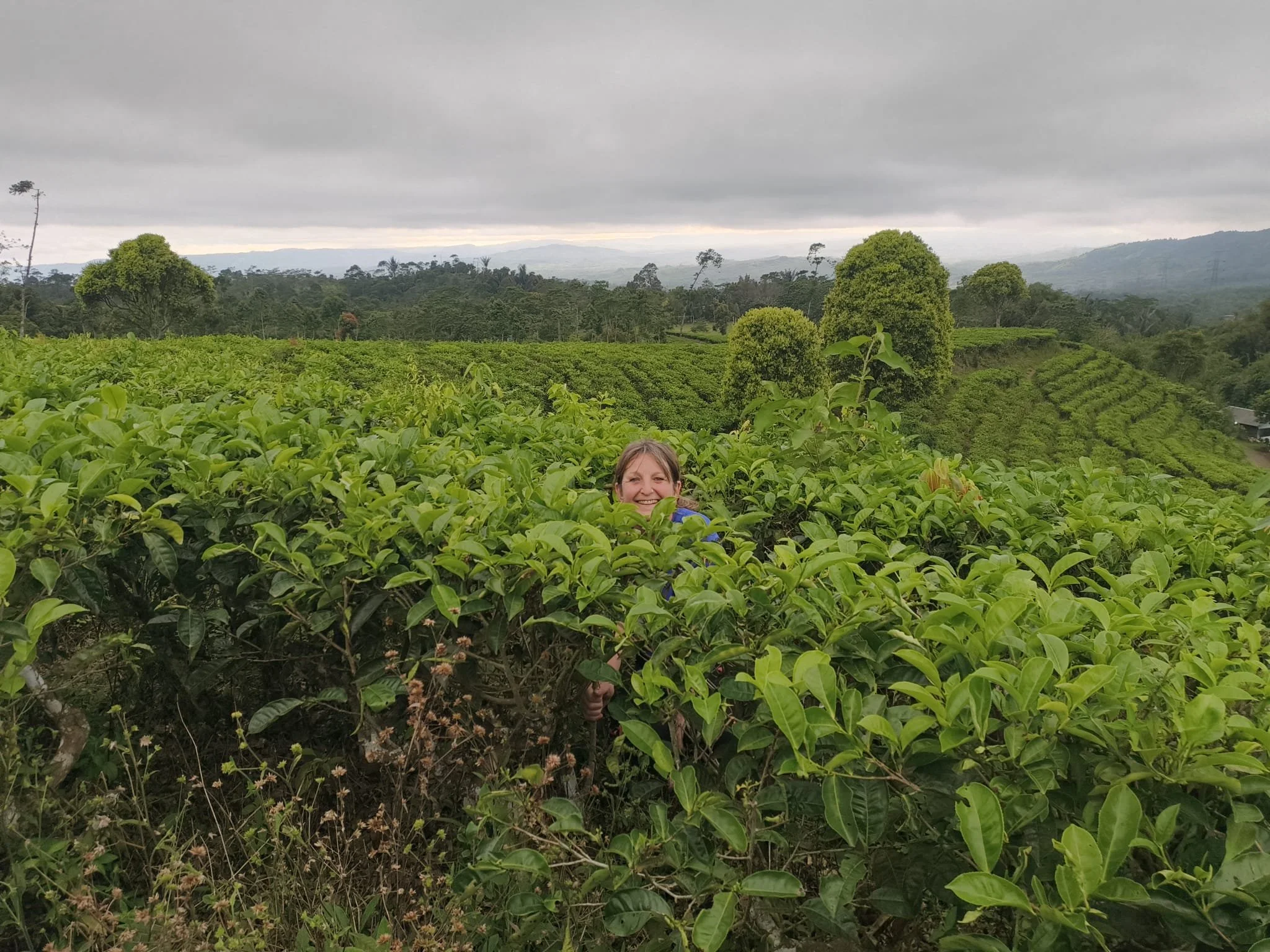
Time has done its sneaky thing again. I blinked, and suddenly a month has gone. My slightly musty Muggle clothes are retrieved from the bottom of the cupboard, wellies ditched and I should probably try to get a brush through my hair. I’ve had an absolute ball with such a fabulous group of people. I even finally got to visit my own nirvana – a vast 600-year-old tea plantation. I have never felt so at home in my life!
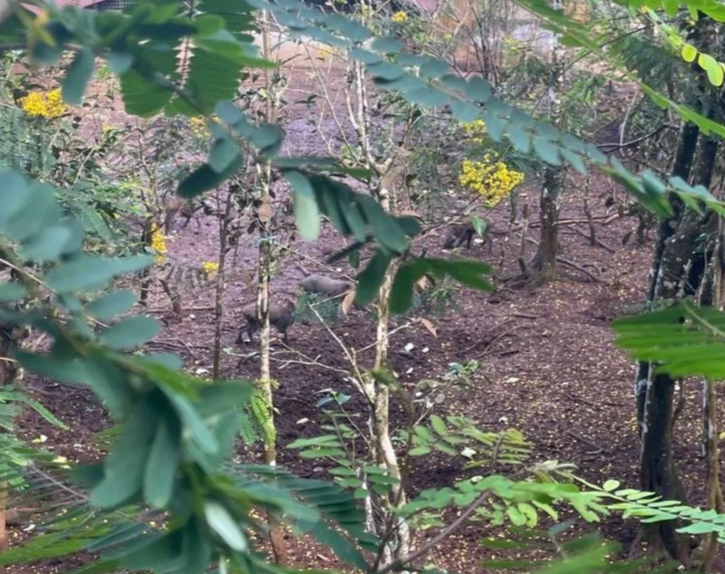
RARE GLIMPSE: ‘Very elusive’ Javan Warty Pigs
During my time here I’ve:
Touched a (well restrained) crocodile
Played with the paws of an (anaesthetised) otter called Bryan
Held the huge wing of a hornbill
Guddled around inside a tortoise (don’t worry, it was necroscopy)
Met an Indonesian Elvis
Been let loose with power tools, hammered things, sawed stuff
Sung to squirrels
Bounced around in and on various vehicles unshackled
Gently handled a cockatoo
Discovered snake and dragon fruit
Belly-laughed with new friends
Initiated the now well-established Happy Happy Joy Joy dance
Made copious, endless cups of tea
And, unequivocally, I carried a watermelon.
I could spend much longer trying to explain the principals, objectives and projects of this amazing place, but I think Willemijn is much more informed and eloquent, so here are some words from her:
“In 2008 the centre started breeding the Black-winged Myna (Acridotheres melanopterus) with 21 founding birds. The Cikananga Conservation Breeding Center (CCBC) was officially established in March 2010.
“Throughout the years the breeding has extended to other endangered and critically endangered species endemic to Indonesia. Within CCBC there are over 200 aviaries of varying specifications which are able meet the requirements of multiple species.
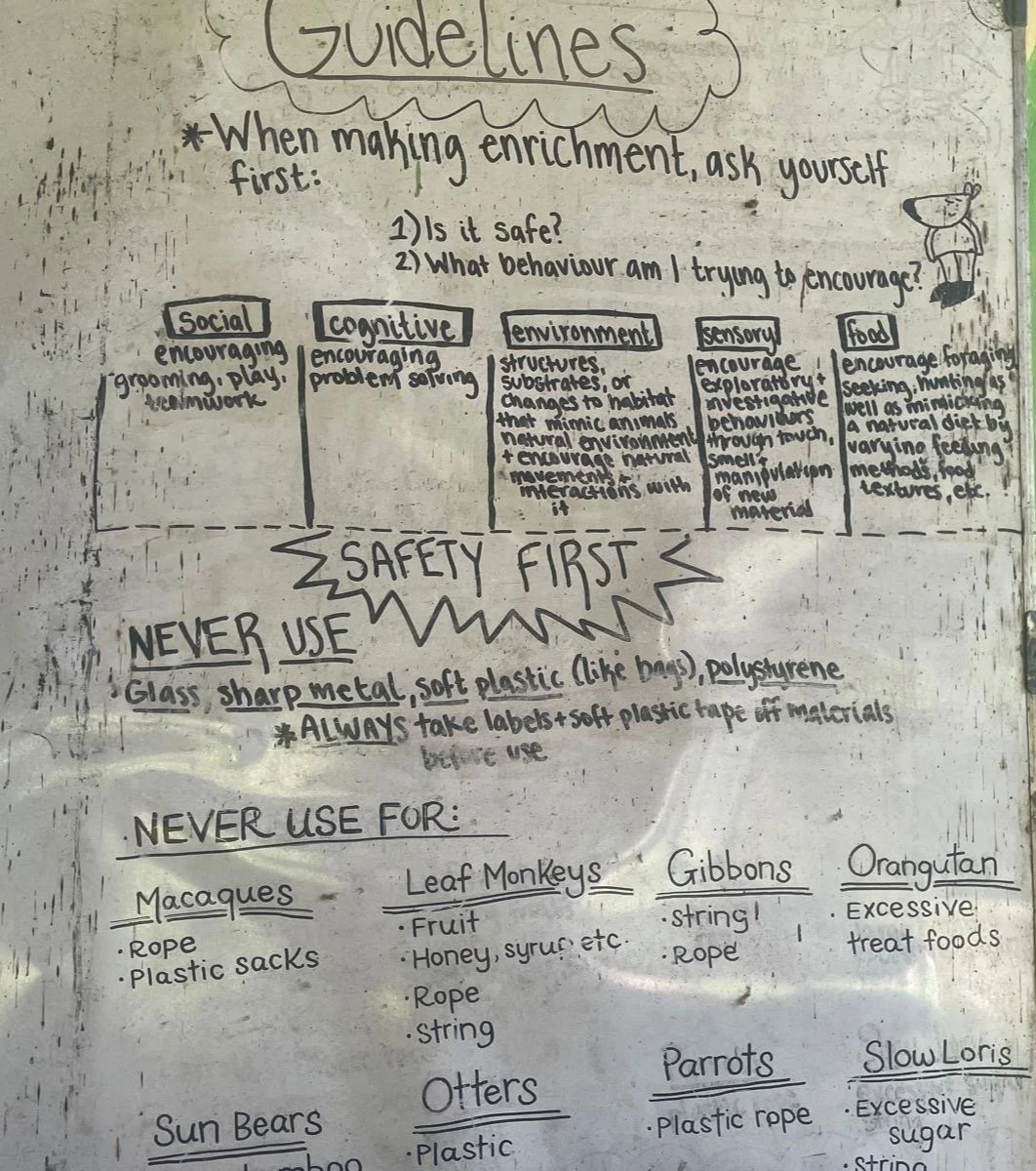
DO’S AND DONT’S: The guide to enriching the animals’ lives
“The breeding is done with the ultimate aim to improve conservation status of the species CCBC work with. This unfortunately is a long-term goal due to the complex root causes for species decline in the wild. Whilst we try to improve the wild status where possible, growing our local populations as well as establishing satellite populations nationally and internationally is recognised by CCBC to be just as important for the survival of these species due to their proximity to extinction.
“The two programs, Chikananga Wildlife Rescue Centre (PPSC) and CCBC together formed the foundation; Cikananga Wildlife Centre (YCKT – Yayasan Cikananga Konservasi Terpadu) which was officially established on the 30th of March 2010.
“Currently, YCKT houses over 550 animals in the rescue and breeding centre, and has become one of the largest in Indonesia, dedicating its efforts to captive breeding and reintroduction, animal welfare, rehabilitation and conservation of Indonesian wildlife and its habitat.
“Additionally, at the beginning of 2020, the Sustainability Farming Program (PPBC), was established. The mission of PPBC is to promote sustainable food systems that protect biodiversity and foster ecological balance.
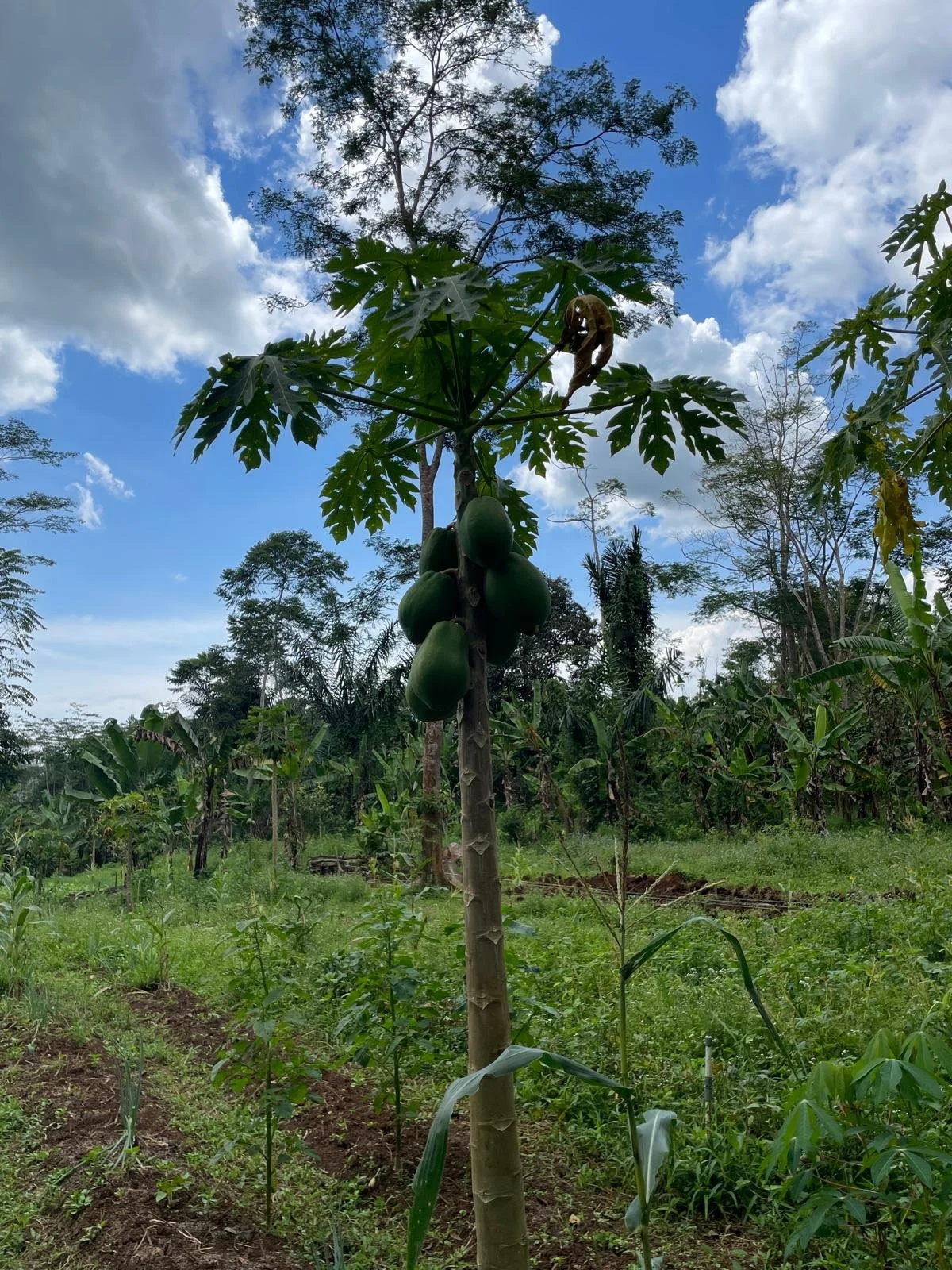
THRIVING: Scott’s ‘outstanding’ papaya tree
“Through regenerative agriculture, agroforestry, and eco-friendly farming practices, we work to create a positive impact on both local communities and the environment. The focus is on food production for the animals in the centre.
“Furthermore, the program also recycles all our organic waste, producing compost, which is used to improve our soils. It includes training and educational workshops for local farmers, students, and international participants in the use of sustainable farming techniques that benefit both people and nature.
“Together, the rescue, conservation breeding centre, and sustainable farming program, supported by education and awareness, create a holistic and mutually reinforcing system focused on:
Rescue and rehabilitation of wildlife from the illegal trade
Protection and recovery of threatened and endemic species
Biodiversity restoration and ecosystem resilience
Sustainable agriculture and habitat improvement
Education that inspires the next generation of conservationists.
“This integrated model makes Cikananga a very unique and impactful conservation institution. Few organisations have this approach, which brings operational challenges and significant annual costs.
“Yayasan Cikananga Konservasi Terpadu (or Cikananga Wildlife Center) is a non-profit organization dedicated to the conservation of wildlife and its habitat in Indonesia.”
You can find out more here.