
‘Children in Hull are now safer’: Council services achieve best-ever Ofsted rating
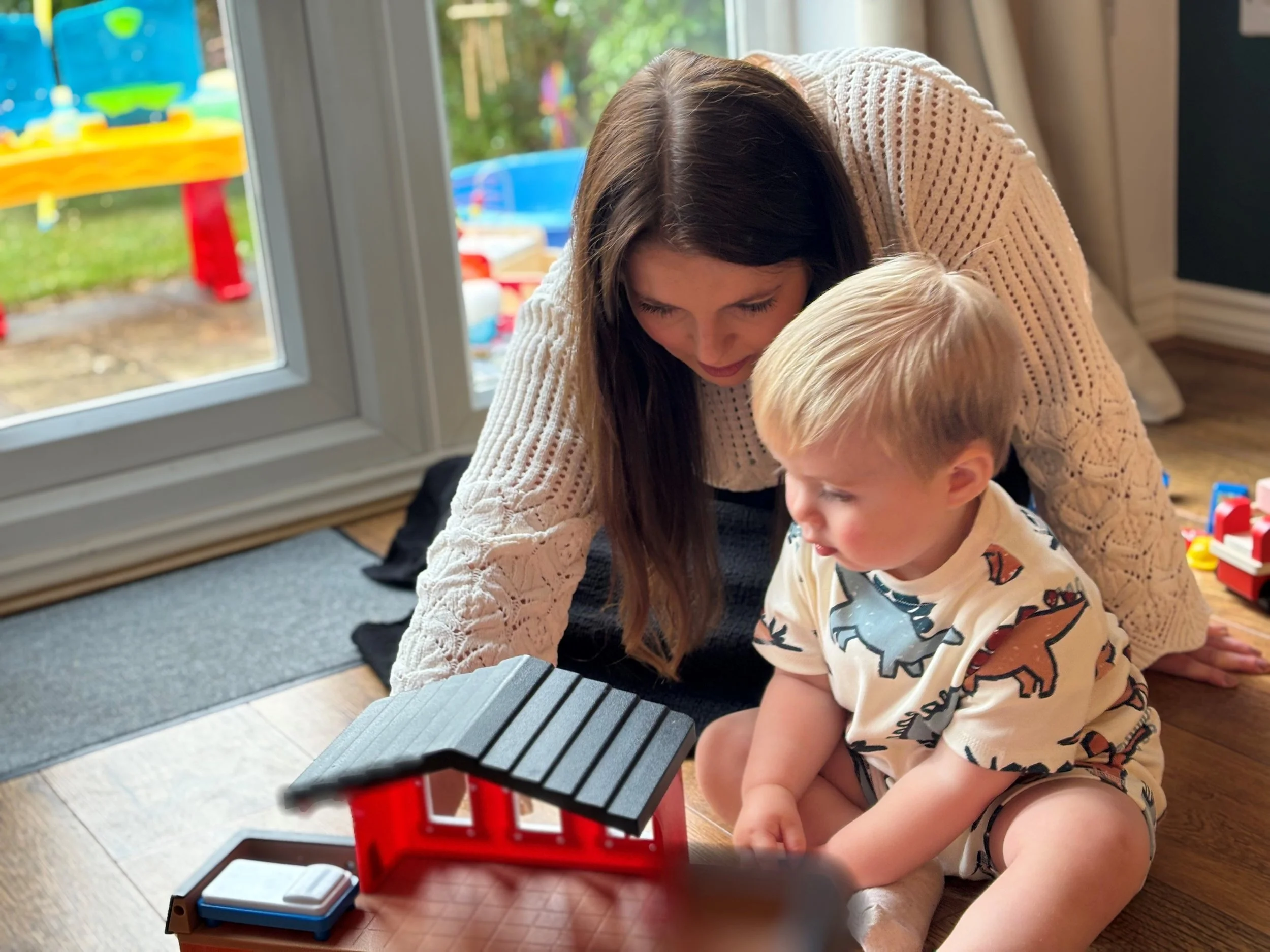
IMPROVED: Hull City Council’s children’s services have been rated ‘Good’ by Ofsted
By Rick Lyon, Co-Editor
Hull’s children are “safer and more consistently supported” than ever before after the city’s children’s services received their strongest-ever Ofsted judgement.
Following an inspection in March, Hull City Council’s children’s services have been rated ‘Good’ overall for the first time, with inspectors also awarding two ‘Outstanding’ judgements – for the impact of leaders on social work practice with children and families and for the experiences and progress of care leavers.
The milestone marks a major turnaround for the authority, which was rated ‘Inadequate’ after a full inspection in 2019 before improving to ‘Requires Improvement’ following a two-week inspection in 2022.
For Pauline Turner, the council’s director of children, young people and family services, the result is recognition of the hard work of staff, partners and families across the city.
“We’re really pleased. Our staff and partners have worked really hard together to get us to where we are now,” she said.
“I’m pleased for them that the good work they’ve done has been recognised by the regulator – who has said that children in Hull are now safer. That can only be a good thing.”
The Ofsted report praises the council for making sustained improvements over the past few years, highlighting strong leadership, effective partnership working and a renewed focus on children’s experiences and voices.
Inspectors found that families have easy access to effective early help support, while managers maintain strong oversight of children’s safety and progress.
Care leavers in Hull were found to benefit from “highly skilled, persistent and deeply relational support”, helping them build confidence and independence as they move into adulthood.
Ms Turner said the ‘Outstanding’ judgement for care leavers was especially significant because it was the first time Ofsted had inspected the area as a standalone category.
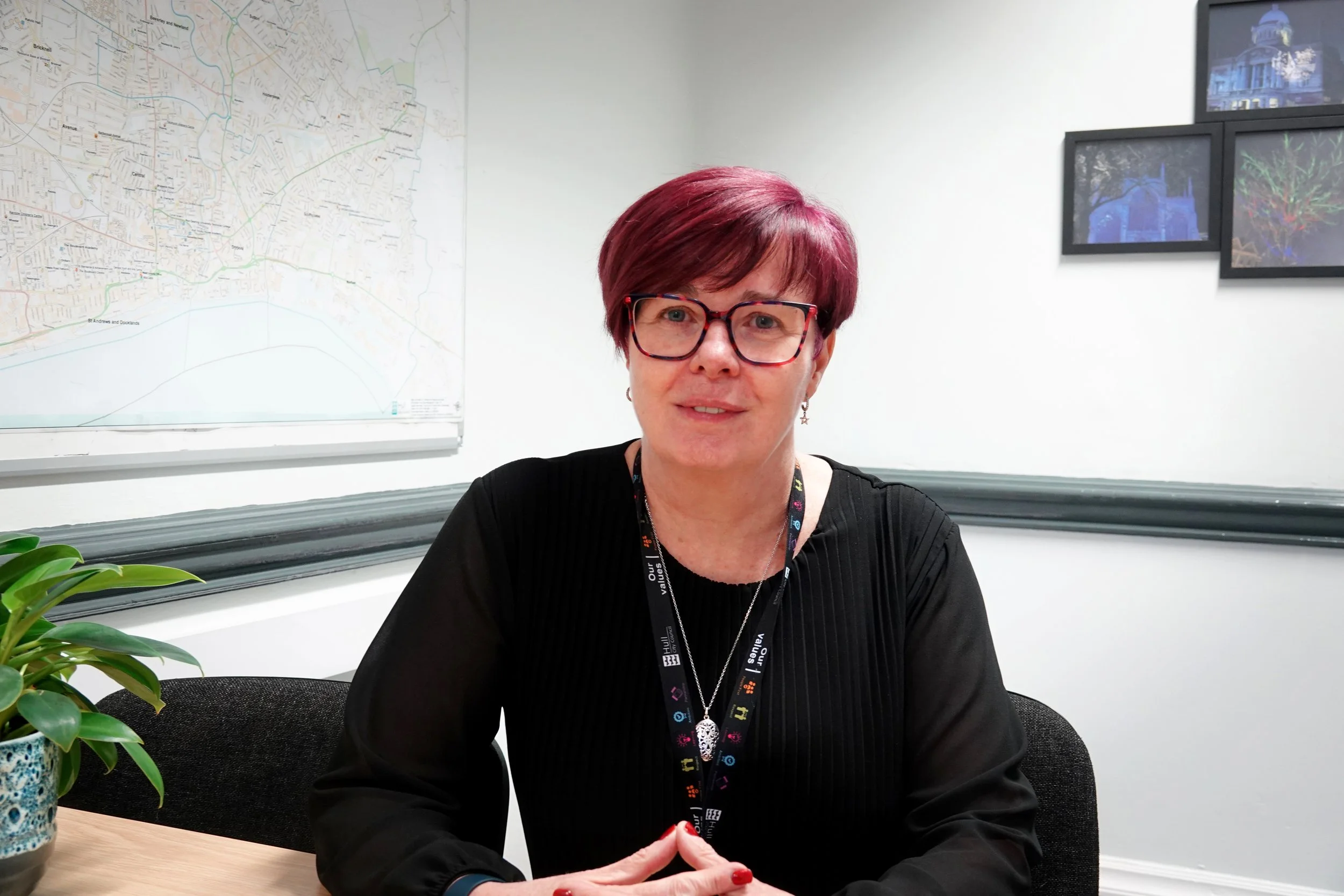
‘REALLY PLEASED’: Pauline Turner
“To go straight to ‘Outstanding’ for this really does demonstrate the commitment, dedication and passion of our staff,” she said.
She stressed that the improvements had not been about making quick changes to satisfy inspectors, but about embedding long-term change across the service.
“What was really important was that the inspectors have seen evidence of sustained improvement. This has not been about a quick fix – it’s about getting things in place for long-term improvement,” she said.
“Our own self-assessment reflected what Ofsted found, and I think that’s really important as it means we have a good handle on where we are.”
Ms Turner said one of the biggest changes had been a cultural shift in how the service works with children and families.
“How we respond and react to any reports of concern about children – and how we intervene and try and help those families – has really changed,” she said.
“In the past, there’s been stigma attached to social services being involved with a family, but if families do come into contact with us our main aim is to help them address the problems that have come to our attention. It’s about how we can help them to help themselves.
“It shouldn’t be something to be feared – it’s an offer of help. I hope that this Ofsted rating gives families confidence that we are doing things the way we should, and that our main aim is to help families in times of crisis.”
Ms Turner said the service has undergone significant reflection and change in recent years.
“We had to review everything we were doing, and it became really evident that we’d lost a lot of staff and we’d got too tied up with national and local performance metrics,” she said.

‘GOOD’ OVERALL: Ofsted have praised the sustained improvement of the city council’s children’s services
“Performance indicators are really important, but what we had to do was look behind those at the quality of work we were doing.”
Central to that change was ensuring children themselves were placed at the heart of decision-making.
“We’ve worked really hard at putting children at the centre of everything we do. It’s easy sometimes to get caught up in policies and procedures, but focusing on the voices of the children was key to us improving,” said Ms Turner.
“To really connect with children and families, we had to talk to them about their experiences. By doing that, we can then come up with better plans to help them.
“It was also about doing that at an earlier point, for that early intervention which can prevent issues escalating.”
Another major part of Hull’s improvement journey has been rebuilding and strengthening the social work workforce.
The council has invested heavily in recruiting and developing local talent through what it calls its ‘social work academy’.
Ms Turner said: “We embarked on a grow our own staff ambition. There are lots of good people in Hull who work on the periphery of children’s services in the voluntary sector and we launched an apprenticeship programme to recruit social workers, which has been really successful.
“We also knew that some people living in Hull had a social work qualification but for some reason didn’t feel it was the right time for them to be involved, so we also set up a return to practice programme.
“That was all part of our social work academy, which is about growing our workforce. Having local people serving and supporting local families has been another key element.”

Ms Turner also pointed to a growing emphasis on keeping children within wider family networks wherever possible, reducing the number entering care.
“We want children to remain with their families, and if it can’t be with their birth parents, then it’s about looking at who else in that family can step in,” she said.
“We now have far fewer children in our care because we’ve found appropriate family for them to stay with.”
The report acknowledges that improvement work is still ongoing. Inspectors identified areas requiring further progress, including the consistency of scrutiny and challenge within child protection chair oversight, and improving the experiences of children with complex needs who experience multiple placement moves.
“We do need more foster carers,” said Ms Turner. “Nationally, there’s a dwindling number of people coming forward and we’re doing a lot of work to encourage people to consider fostering.
“We’ve got a role to find those carers and also make sure they are skilled to look after children who have more complex needs, and there’s a lot of work going on in that area to improve further.”
Read the full Ofsted report here: https://files.ofsted.gov.uk/v1/file/50301678