
Picture theatre to reopen 85 years after Nazi bombing raid

HISTORIC SITE: The restored National Picture Theatre. Picture: Octovision Media
By Simon Bristow, Co-Editor
A picture theatre that was destroyed by a Luftwaffe bombing raid during the Second World War will reopen on Wednesday after a major restoration project.
The National Picture Theatre in Beverley Road was screening Charlie Chaplin’s The Great Dictator on March 17, 1941, when air raid sirens sounded.
Without time to get to an air raid shelter, the 150 members of the audience took cover in the entrance foyer, and remarkably all survived. The cinema’s auditorium was destroyed and the rest of the building was in ruins.
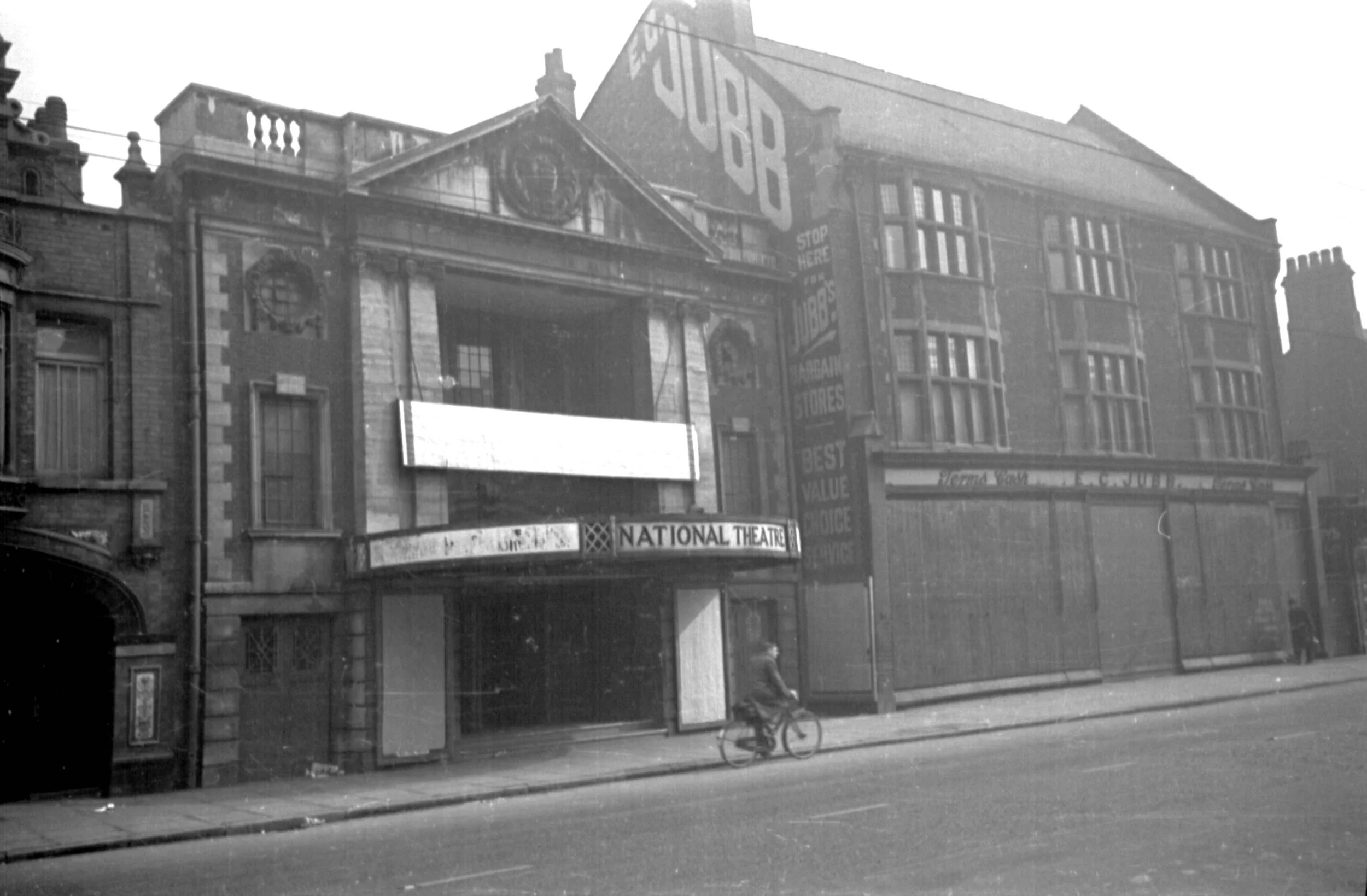
ENTERTAINMENT: The picture theatre in Beverley Road. Picture: Hull City Council
Now, 85 years later, the building is to reopen for history events, educational visits and “special public activities”, Hull City Council said.
The Grade II-listed building has been restored thanks to funding from the council, The National Lottery Heritage Fund, The UK Shared Prosperity Fund and the National Civilian World War 2 Memorial Trust (NCWW2MT).
The project has long been championed by the trust, which has tirelessly campaigned to preserve the site and share the stories of those who endured the Blitz in Hull – then Britain’s second most bombed city.
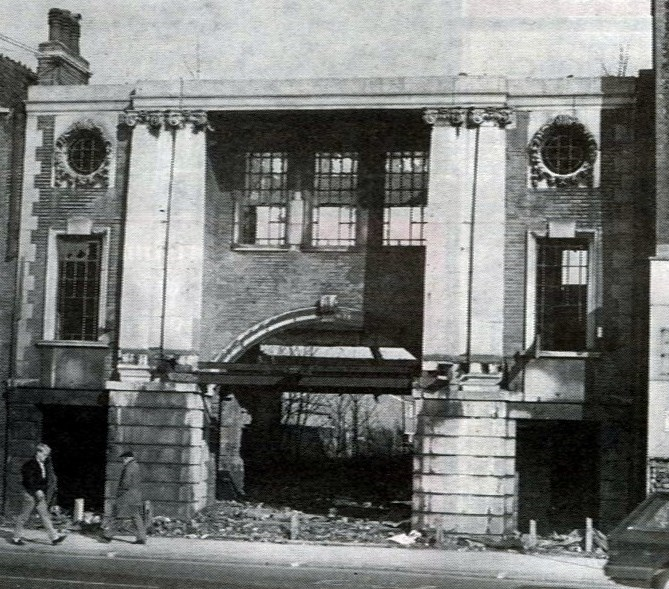
GUTTED: After the bombing. Picture: Hull History Centre
Councillor Jackie Dad, deputy council leader and portfolio holder for culture and leisure, said: “It is great to see the restoration now complete. The National Picture Theatre is an incredibly important part of Hull’s wartime history, and its preservation ensures that future generations can understand the profound impact the Second World War had on our city.
“For the first time, this site will become both an educational facility and a place where people can come together to reflect and remember loved ones. The careful work undertaken here not only protects a unique heritage asset but also creates a new community space that honours the resilience of the people of Hull.
“I am proud of what has been achieved and look forward to seeing the public engage with this remarkable landmark once it opens.”
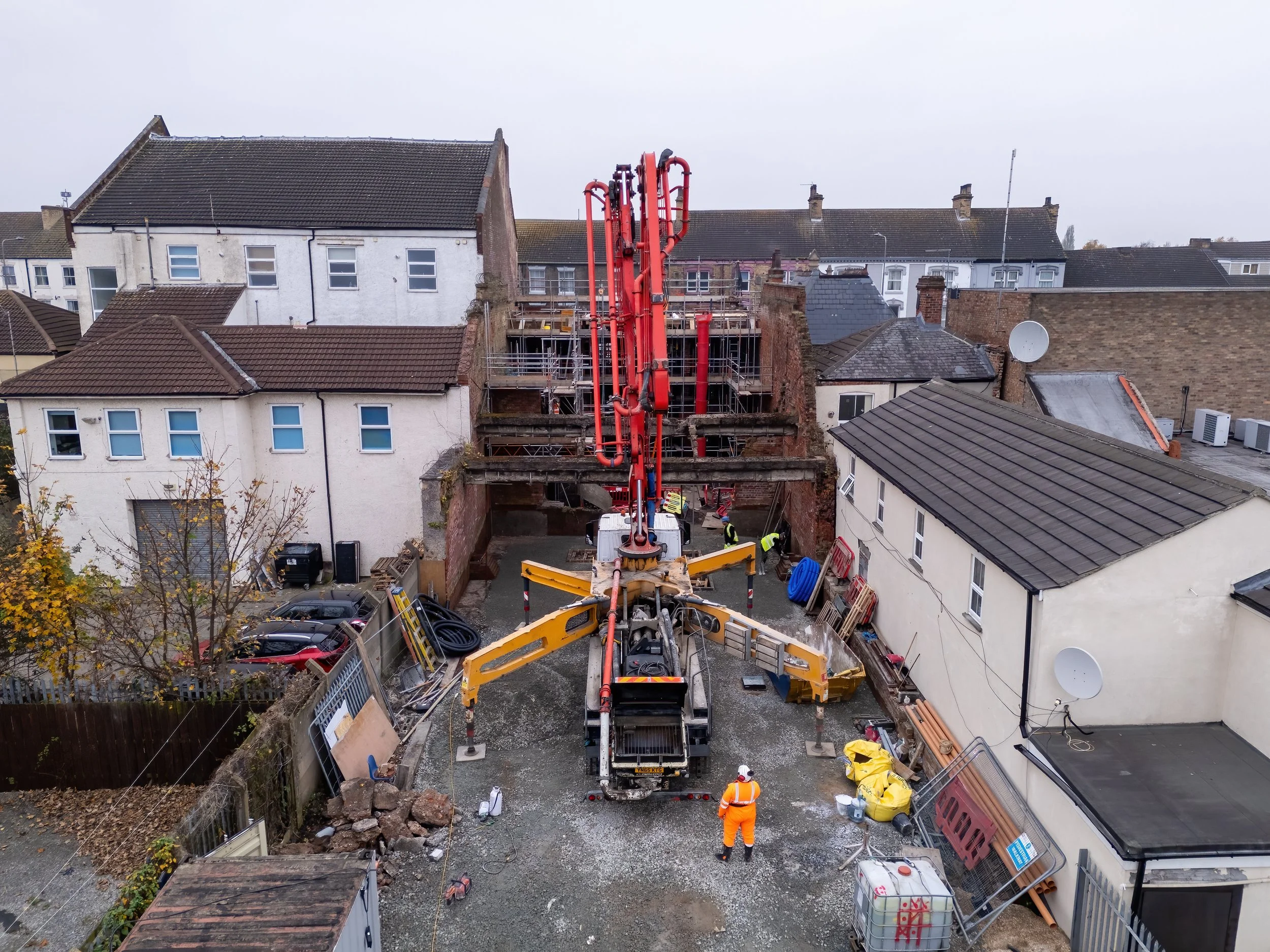
COMING BACK TO LIFE: Restoration work begins. Picture: Octovision Media
Local contractor Hobson & Porter led the restoration works, using original materials and traditional techniques to reflect the building’s 1914 design. Key works include:
Stabilisation and restoration of the red‑brick façade
Installation of sympathetic new period-style lighting
Conservation of remaining wartime fabric.
The open space where the auditorium once stood, originally seating 1,050 people with a balcony, has been transformed into a flexible education and community events space. It will also serve as place of reflection, enabling visitors to learn about the experiences of Hull civilians during the war.
Helen Featherstone, director, England, North, at The National Lottery Heritage Fund, said: “We’re thrilled to have supported the restoration of the National Picture Theatre thanks to money raised by National Lottery players. The sympathetic and painstaking restoration ensures that the important wartime heritage of Hull and the history of this striking building will live on, as the cinema enters its latest act as a valuable community space for the city.”
Hilary Byers, a trustee of the National Civilian World War 2 Memorial Trust, said: “We are very much looking forward to welcoming people to see the work that has been successfully carried out to preserve the remains of the National Picture Theatre on Beverley Road.
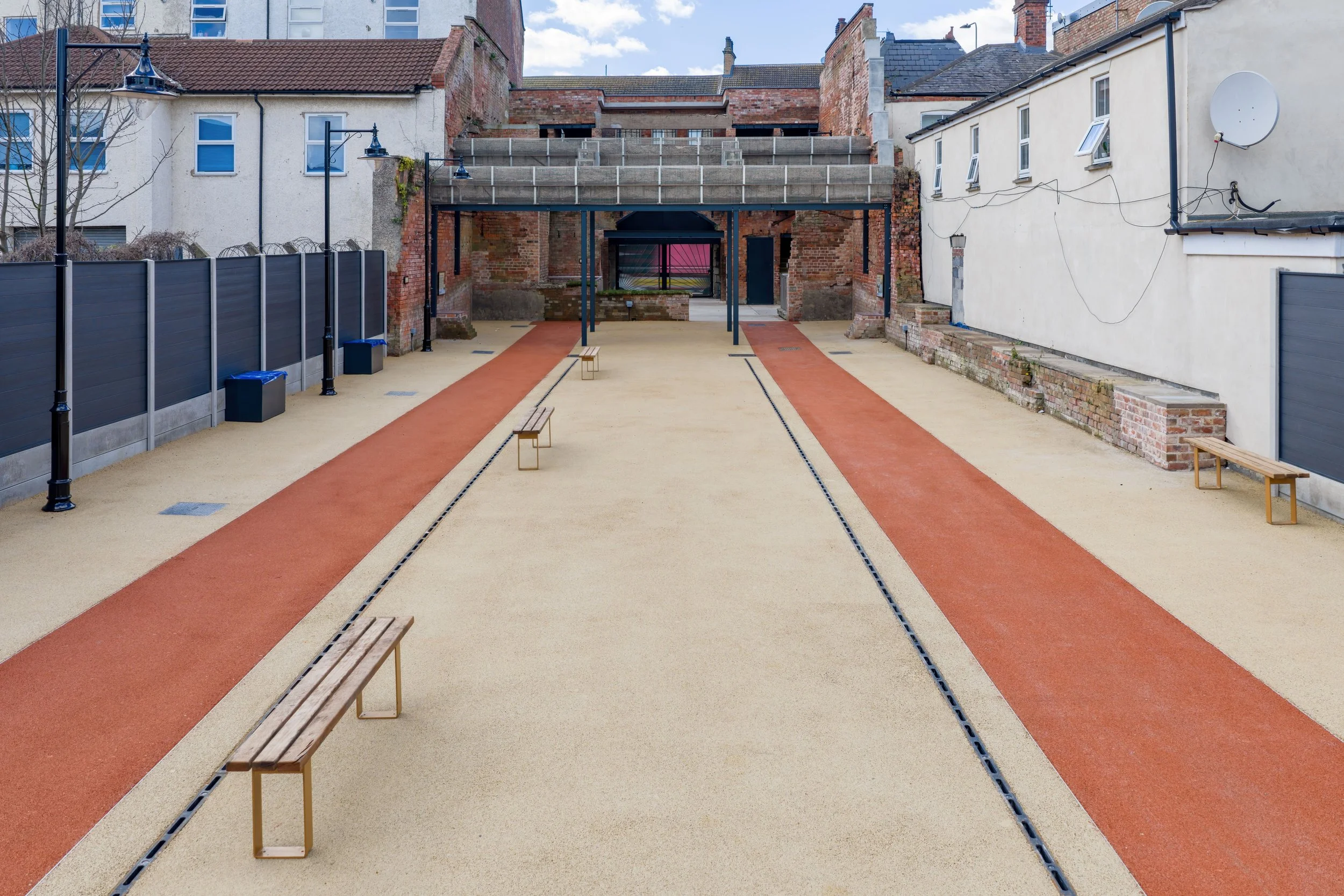
COMMUNITY SPACE: The new open air auditorium. Picture: Octovision Media
“It has been a long journey getting here and we are very grateful for all the help that The National Lottery Heritage Fund, the UK Shared Prosperity Fund, Hull City Council and Historic England have given us over the years, as well as the continuing help that today’s volunteers are giving on the site.
“This cinema, which suffered bombing on 18th March 1941, and the audience all remarkably survived, is a reminder of the experiences that civilians went through during World War Two. We want this to be national memorial to the contribution that civilians made to the war effort, as wardens, firefighters, rescuers, first-aiders, carers, messengers, food providers and in many other ways.
“We hope people of all ages will be inspired by the site to find out more about the roles of civilians in World War Two and will enjoy the opportunities presented by the site to hold events and community gatherings.”
Designed by Runton and Barry for the De-Luxe Theatre Company, the cinema was built in 1914 and entertained audiences for nearly 30 years until it was bombed. It has previously been described as the UK’s last remaining civilian ruin from the Second World War.