
Virtual Viola steams into Hull Maritime project
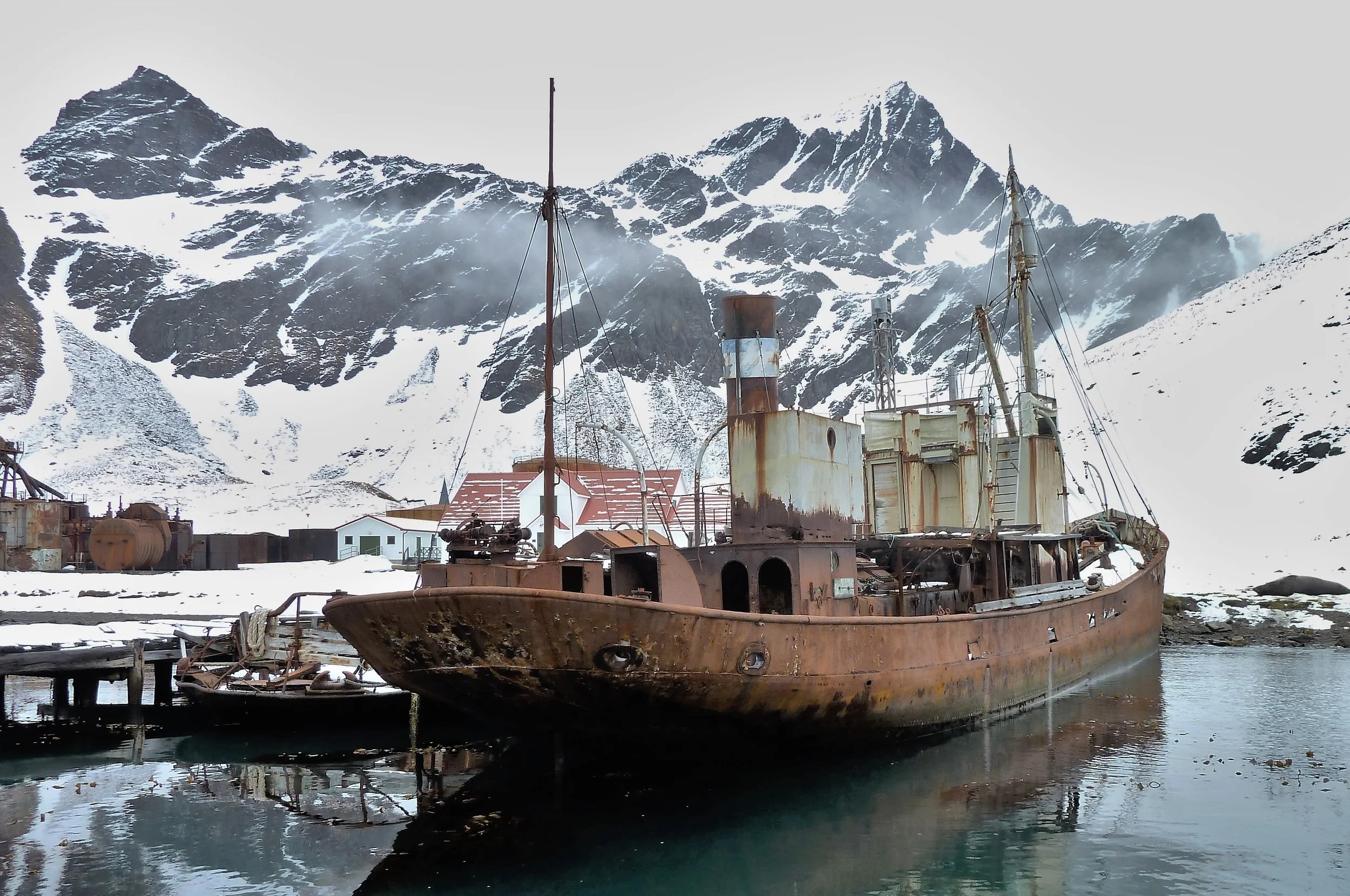
VIRTUAL ROLE: Historic trawler Viola in Grytviken, South Georgia
EXCLUSIVE
By Simon Bristow, Co-Editor
The trust set up to bring historic steam trawler Viola back from the South Atlantic to her home in Hull is to launch Virtual Viola – a virtual reality depiction of the vessel created by experts at the Glasgow School of Art.
The trust has also confirmed that its original objective of returning Viola to Hull has been abandoned as a result of the escalation in costs which followed the global disruption caused by the Covid pandemic.
Virtual Viola will be gifted to Hull Maritime, with the trust’s investment in the project ensuring Viola can take her place among the exhibits and artefacts which will tell the stories of more than 800 years of seafaring history in the city.
The completed project captures Viola in her various working roles in a short film which runs to just over 11 minutes and has been produced as part of the trust’s commitment to raise awareness of the ship, which was built in Beverley in 1906. The film is narrated by the explorer and TV presenter Paul Rose.

Alan Johnson, patron of the Viola Trust and former Hull West and Hessle MP, said: “When I saw what they had done with new technology and digital technology, it’s not just the next best thing it’s a startlingly impressive piece of work.”
Virtual Viola will be premiered at a VIP launch at Trinity House, Hull, on Wednesday, November 26, along with a companion video, Viola – Part of the DNA of Hull, which has been made by Hull-based filmmaker Dave Lee and tells the story of the project.
Both films will also be shown at community locations in and around Hull as a “thank you” to people who have supported the campaign, to update them on how the project has developed and to promote the wider Hull Maritime venture.
Built at Beverley shipyard by Cook, Welton & Gemmell in 1906, the Viola will be 120 years old on January 17 next year.
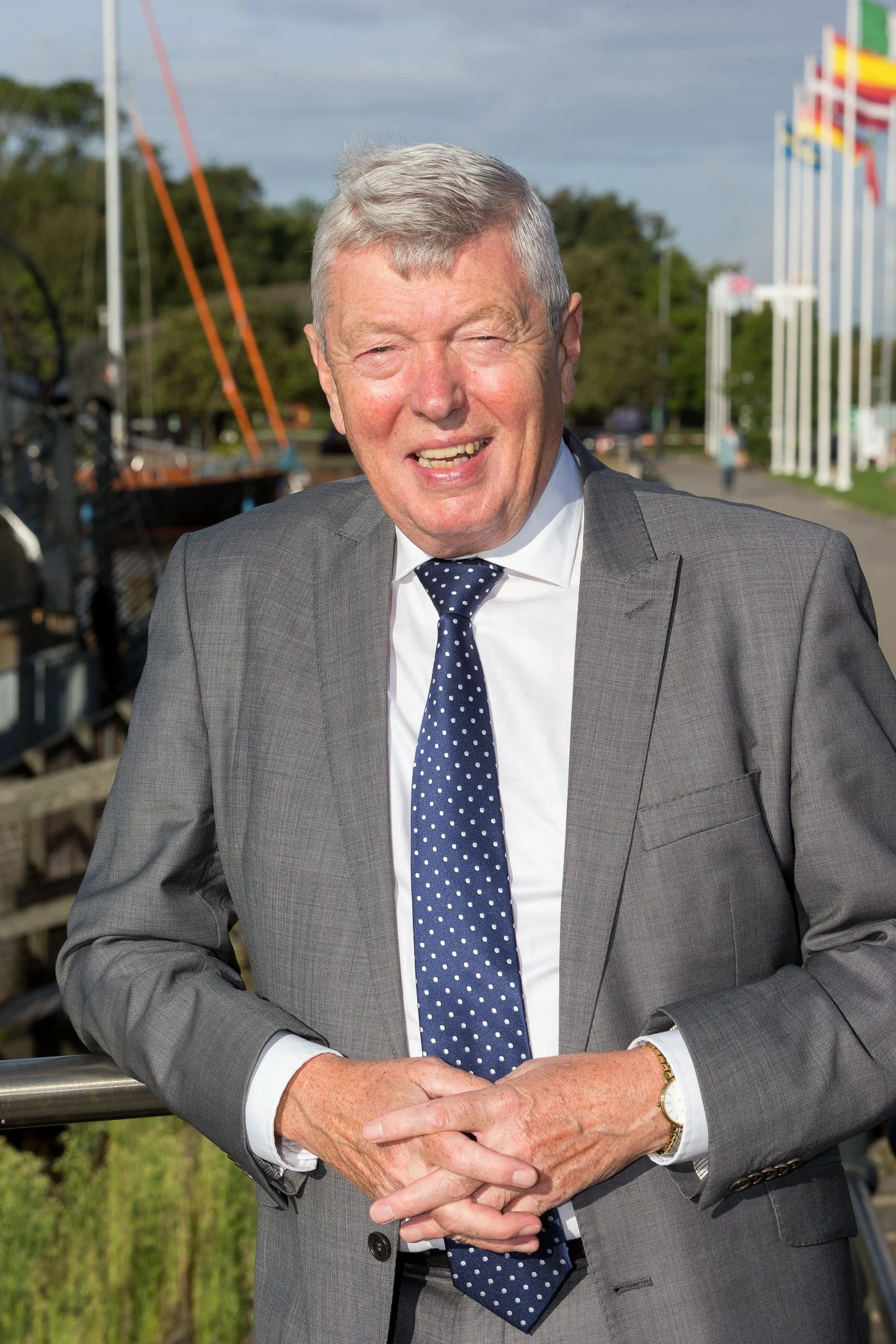
‘STARTLINGLY IMPRESSIVE’: Alan Johnson
Two forthcoming films recreate her story, from operating as part of the Hellyer fleet of boxing trawlers to defending the UK in the First World War and leaving Hull for the last time in 1918 on a career which took her to Norway, Africa and the South Atlantic catching fish, hunting whales and elephant seals and supporting expeditions.
They also record how Viola was mothballed after the closure of the whaling station at Grytviken, South Georgia, before one final twist in her remarkable history. Sitting on the beach, where she remains, the old trawler was the target in 1982 of scrap metal merchants from Argentina. But on landing they raised the Argentine flag, an action which triggered the Falklands War.
The Viola Trust was set up in 2016 to bring Viola back to Hull and to promote awareness and education of the ship and the city’s fishing heritage.
Initial estimates of the cost of hoisting Viola onto a heavy-lift ship, transporting her back to Hull and completing a full refurbishment and refit would total around £3m.
The trust secured pledges for about half that amount, to become active as soon as she arrived back in Hull. It remained confident of finding donors to fund the voyage back, and it conducted a series of surveys of the vessel and a detailed assessment of any possible impact on the pristine South Georgia environment of removing Viola.
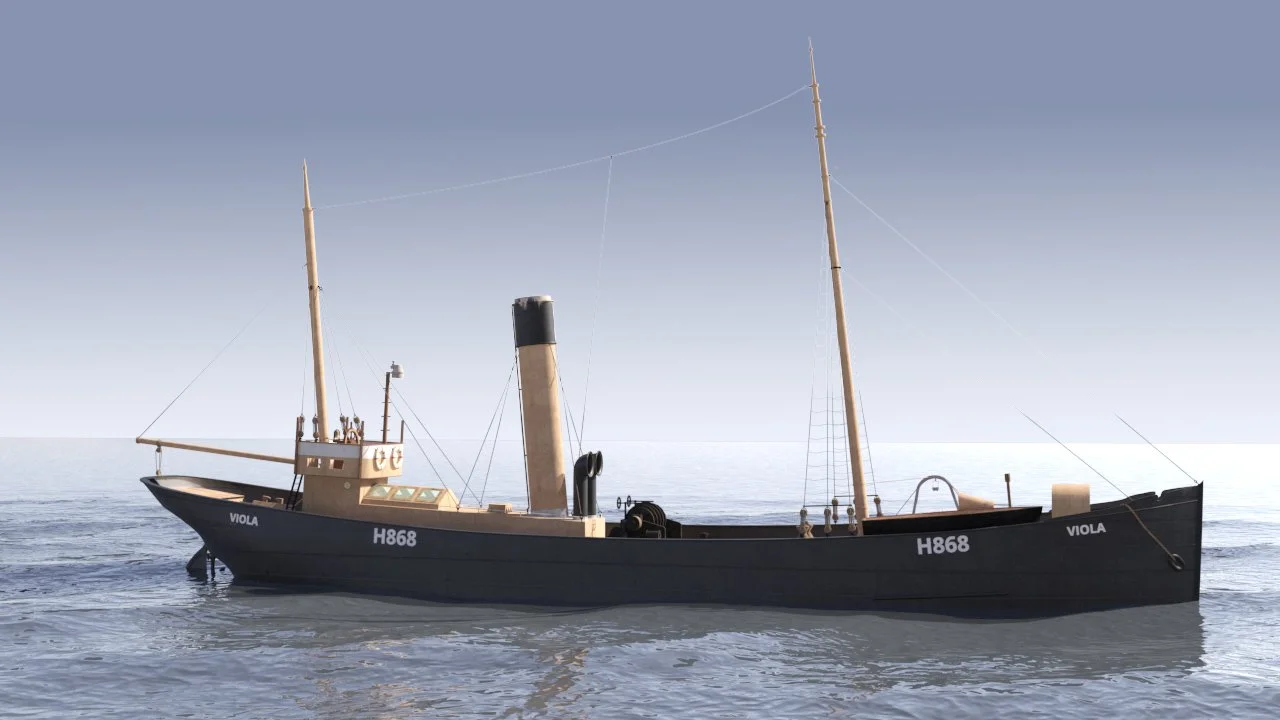
‘WORLD ICON’: Viola in virtual form
Plans were in place to conduct a final assessment of Viola in April 2020 in readiness to mount the salvage operation in autumn of that year. But everything was put on hold when the Covid pandemic prevented all travel to South Georgia. By the time restrictions were lifted, costs had soared and the conservative estimate for completing the project was more than £5m.
During 2024 the trust began to look at other options. David Drewry, a Viola trustee and a former vice chancellor of the University of Hull, contacted Paul Chapman, professor and director of Emerging Technology at Glasgow School of Art and a former member of the virtual reality and simulation and visualisation team in Hull, to explore a virtual recreation using photographs and video collected by survey teams and supporters of the trust.
Paul Escreet, chair of the Viola Trust, said: “It will always be a huge disappointment that rocketing costs meant we were unable to bring the Viola home in her physical form, but we are all immensely impressed with the work of Glasgow School of Art in taking the contents of our substantial archive to create Virtual Viola. We are grateful to all the supporters of the Viola Trust whose contributions helped us with the overall project.
“It is a fantastic piece of work, we are delighted with the positive response we have received from Hull Maritime and Hull City Council and we look forward to working with them to restore the Viola to its place in our city’s history. It has been mentioned by some that Virtual Viola itself could prompt someone, somewhere, to revive the campaign to bring her back. We would all love to see that.”
Maritime historian and Viola trustee Robb Robinson said: “Many of the foundations laid by vessels like the Viola contributed to our understanding of the modern world.”
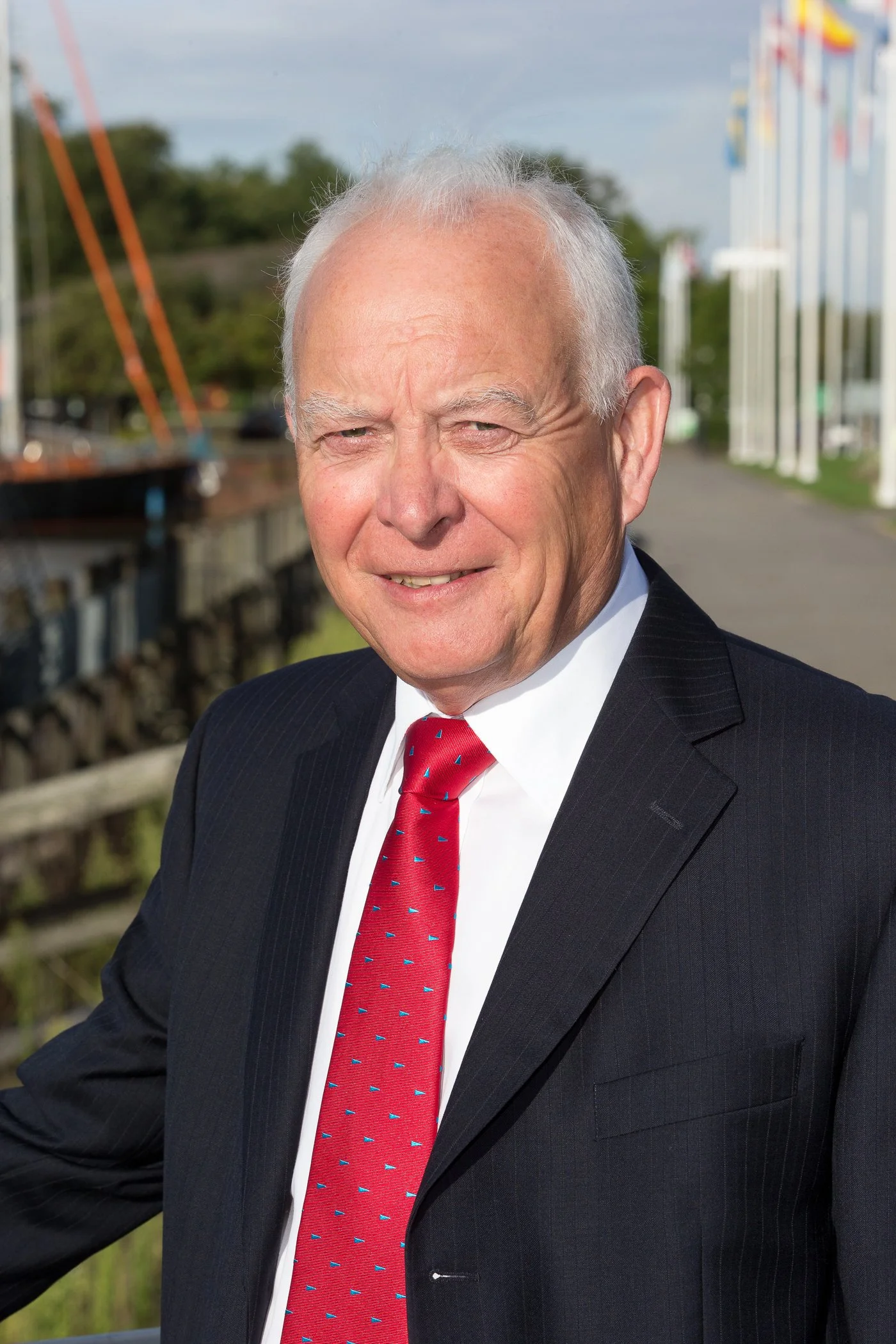
‘FANTASTIC WORK’: Paul Escreet, chair of the Viola Trust
The Viola Trust’s project manager, Norman Court, tells of the importance of the ship to the city.
He says: “The Viola wraps itself round you. It’s fascinating, it’s got the history, the pedigree, the heritage, it’s got real people involved. This is the vessel that put food on the table for years. It’s a world icon and it’s ours.
“This is the kind of vessel that something like 8,000 Hull men died on, fishing in the seas. This is part of the DNA of the city. We can show her as she was, what she looked like, how she sat in the water, we can show people working on her.
Alan Johnson worked closely with Hull’s fishing community throughout his 20 years as a local MP and supported a campaign for compensation for the families of men lost at sea.
He tells the film: “It was the biggest distant water trawling port in the world. Something like 250, 260 trawlers went out from here. I’d have loved to have seen that.
“There’s nobody in Hull who doesn’t know someone who is associated with the fishing industry – either they went to sea or they were involved in the processing. Viola epitomises all of that and is one more aspect of a proud heritage of a great city.”