
City to host vascular surgery conference for first time in more than 30 years
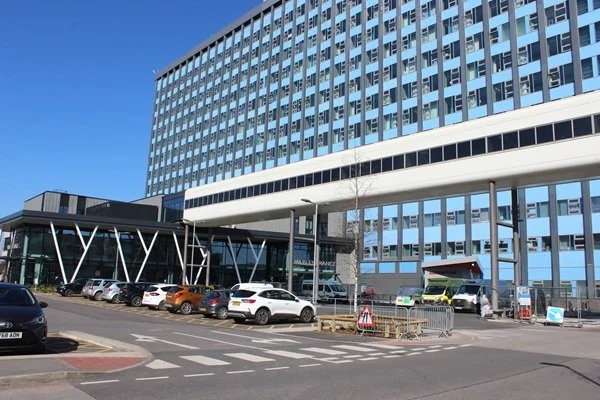
LEADING: The region’s Vascular Surgery Department is based at Hull Royal Infirmary
By Simon Bristow, Co-Editor
Hull will welcome some of the country’s top vascular surgery teams next month as it hosts the Vascular Society of Great Britain and Ireland’s Annual Scientific Meeting.
The prestigious three-day event, taking place at Connexin Live from November 26 to 28, is returning to the city after more than three decades and will attract hundreds of surgeons, specialist nurses, physiotherapists and scientists from hospitals across the UK and Ireland.
Hull’s vascular consultants – Professor Ian Chetter, chair of surgery and current president of the Vascular Society; Professor Daniel Carradice, chair of vascular surgery; and George Smith, senior lecturer and clinical lead – will address the meeting, reflecting the city’s growing reputation as a centre of excellence in both patient care and research.
Mr Smith said: “This is a massive honour for Hull and our department. We’ll be welcoming the best health professionals in vascular surgery to share learning and new approaches that will directly benefit patients.”
Professor Chetter, who will conclude his presidential term at the event, said: “The Annual Scientific Meeting is a vital opportunity for surgeons to exchange ideas and push the boundaries of vascular care.
“Hosting it here underlines Hull’s role in driving forward research, education and patient outcomes nationally.”
The Department of Vascular Surgery, based at Hull Royal Infirmary, is a regional service for patients from Hull and East Yorkshire, North and North-East Lincolnshire and North Yorkshire and offers a 30-bed inpatient ward, a four-bed high-observation bay, an emergency theatre, specialist outpatient clinics and rehabilitation therapy.
Its team of 11 vascular consultants and multi-disciplinary team including interventional radiologists, nurse specialists and advanced clinical practitioners, see about 5,500 new patients a year.
Patients are referred to the service with life-threatening conditions including aneurysms, blockages in the arteries, foot complications linked to diabetes, deep-vein thrombosis, varicose veins and carotid disease following strokes. The vascular team also works closely with the other surgical teams at NHS Humber Health Partnership (HHP) to help patients with complex cancerous tumours.
Hull’s Academic Vascular Surgery Unit is a collaboration between HHP and Hull York Medical School and ranked in the top three UK medical schools for medicine in the 2026 Guardian University Guide.
Its research was rated as world-leading, influencing national guidelines and shaping NHS policy on conditions including varicose veins, diabetic foot disease and leg ulcers. This contribution to advancing patient care has also been recognised more widely, with the Academic Vascular Surgical Unit shortlisted for the HSJ (Health Service Journal) Awards 2025 for innovation in sustainable healthcare.
As well as placing Hull firmly on the national stage, the meeting will help set the agenda for vascular services across the NHS — sharing innovations that aim to improve patient outcomes, reduce inequalities and ensure the best use of healthcare resources.