
Residents voice ‘strong concern’ over state of St Andrew’s Dock
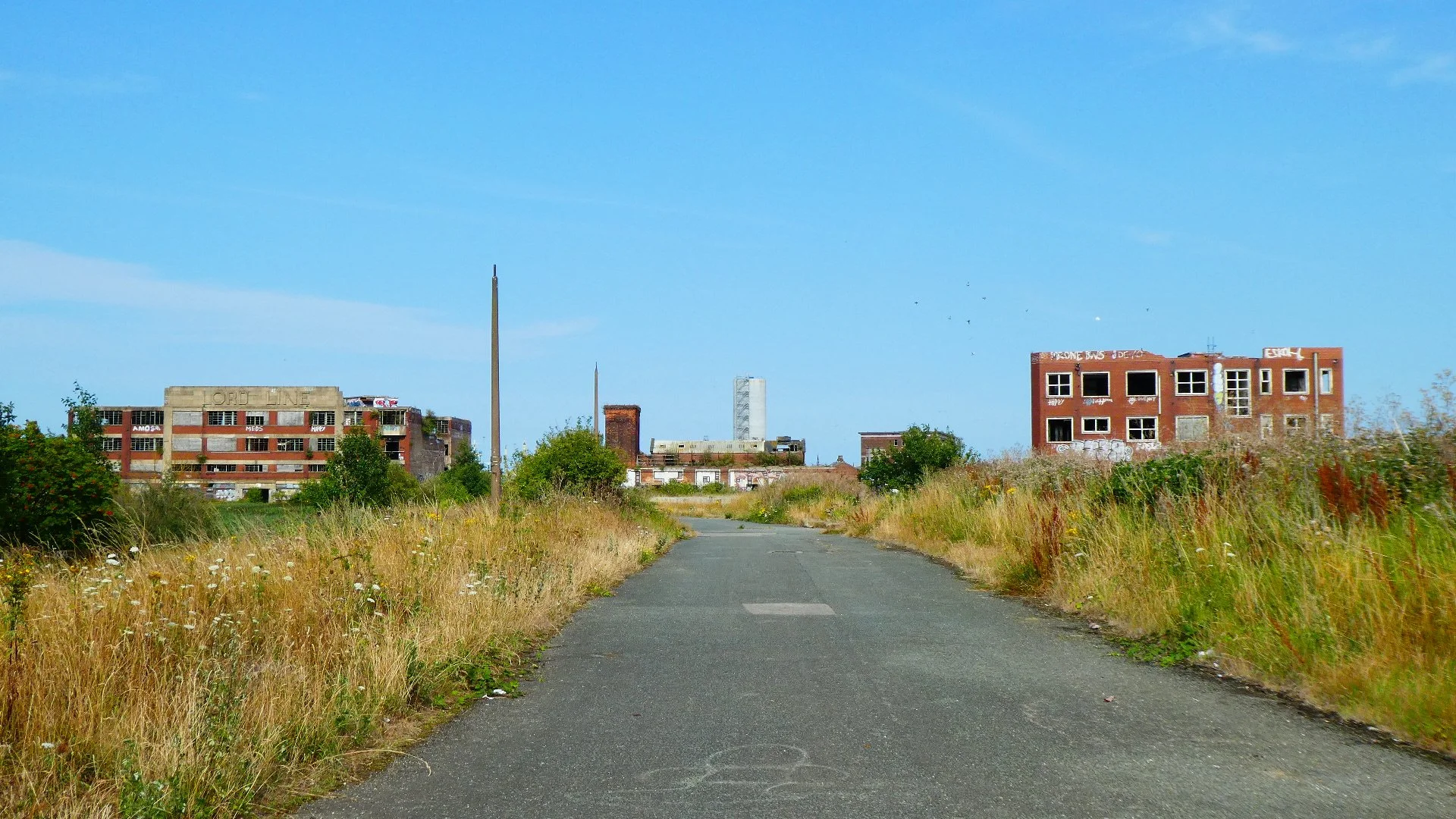
ABANDONED: Just four buildings survive on St Andrew’s Dock, which was once home to the world’s biggest distant water fishing fleet
By Simon Bristow, Co-Editor
Residents have voiced “strong public concern” about the condition of St Andrew’s Dock, the historic former home of Hull’s once mighty fishing industry.
A consultation found many residents think the “heritage signficance” of the site is “undervalued”, despite it being an “active location for memorial and commemoration”.
The majority of respondents want to see the dock restored.
Their opinions have helped shape an updated character appraisal for St Andrew’s Dock Conservation Area, which aims to prevent further buildings being lost and will act as a guide for future building or development proposals.
To update a previous appraisal published in 1996, Hull City Council conducted a public consultation between December 8 and January 31. There were more than 1,100 visits to the Yoursay website, while 24 people attended a session at Hull Fishing Heritage Centre in Hessle Road, 16 attended a public meeting at the Guildhall, and one person attended a further consultation at Rayners pub in Hessle Road.
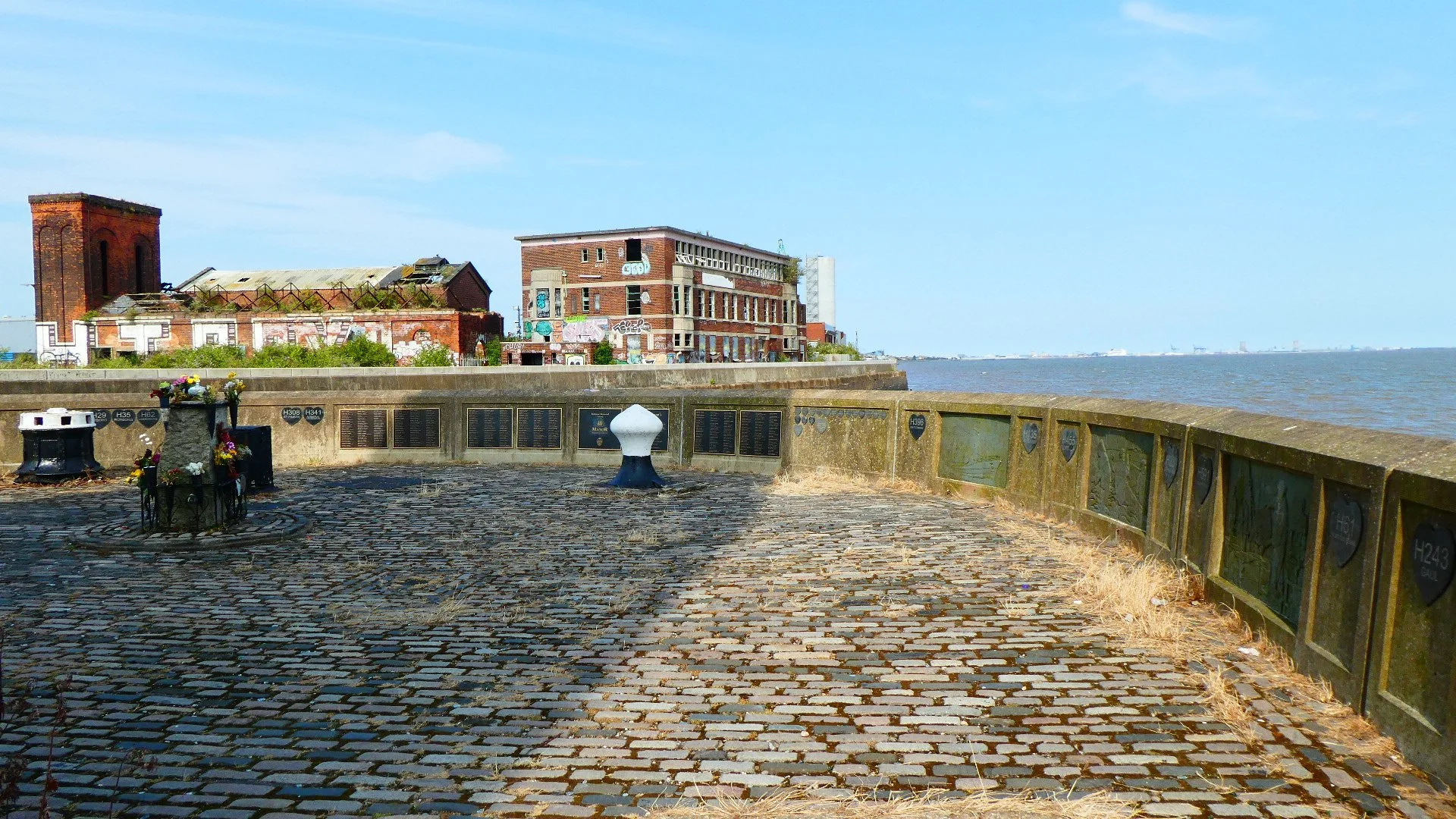
COMMUNITY CONNECTIONS: The memorial area on the bullnose
The introduction to the report describes the condition of the area as “very bad”, and notes that by 2025 only four buildings remain, along with the infilled dock and lock. “The surviving structures have been long-term derelict and are in a poor condition,” it adds.
According to the report there have been ten planning applications to regenerate the dock between 1999 and 2023, with half rejected and half approved. However, none of those approved have been delivered.
The report says: “The approval of applications in 2019 and 2020 demonstrated that planning permission can be received for re-development within the dock. However, none of the applications have been implemented and there is [sic] currently no identified active plans for regeneration.”
One of the buildings still standing is the landmark Lord Line Building, which is visible from the A63. Five applications to demolish the former office building have been refused.
“Although in a poor state of repair the LLB makes a positive contribution to the Conservation Area, given its imposing scale, its historical associations and communal heritage value,” the report says.
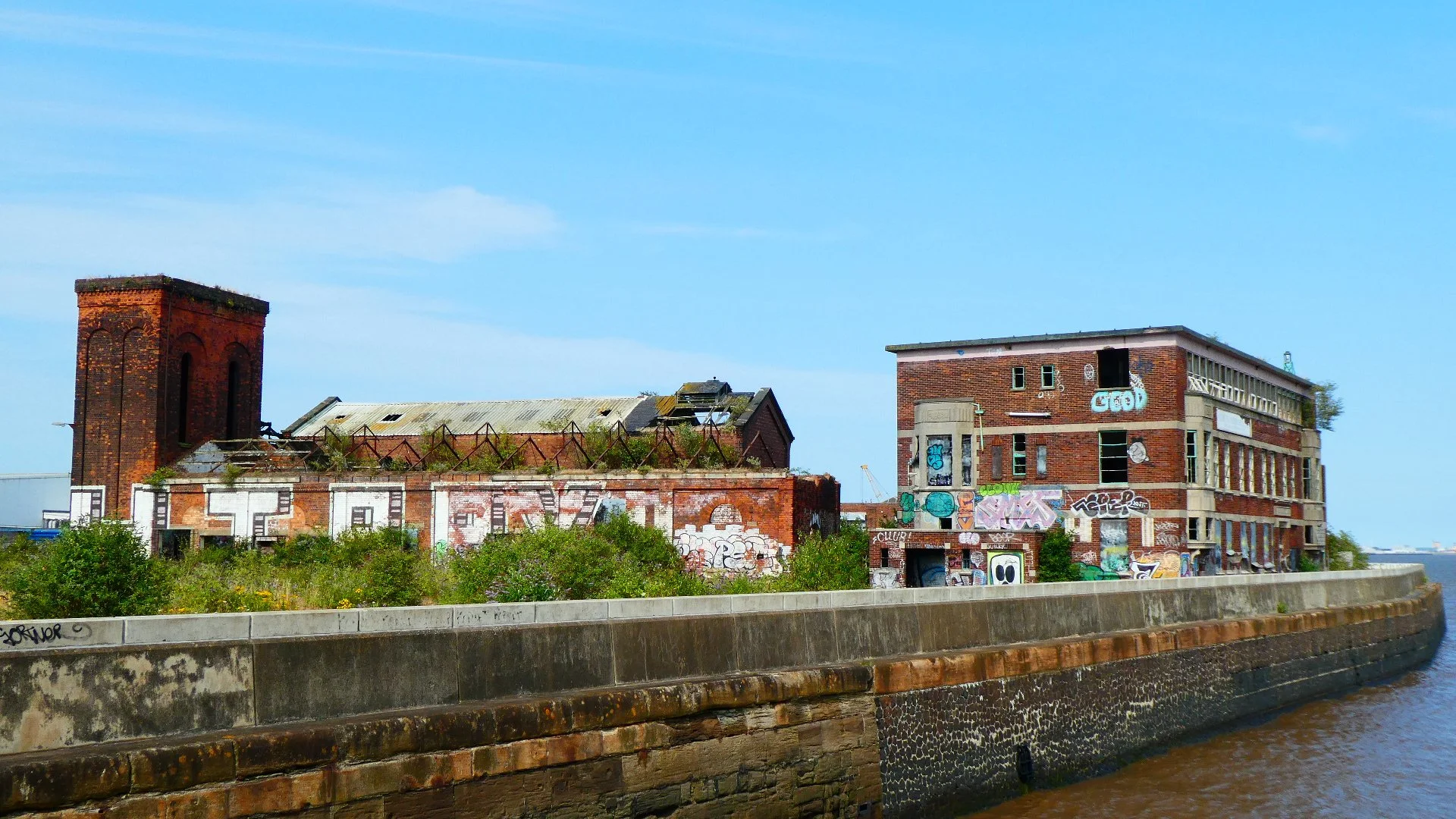
DERELICT: The condition of the site is described as ‘very bad’
St Andrew’s Dock operated as Hull’s fish dock from 1883 to 1975. It was once home to the world’s largest distant water fishing fleet. “It was the home of Hull’s fishing fleet and renowned fishing industry and shared a strong link with the fishing community of Hessle Road,” the report says.
An estimated 6,000 men and boys died while sailing out of Hull to put food on the nation’s tables. Many sailed from St Andrew’s Dock.
The report said: “For their families, colleagues and friends and the wider fishing community the dock provides an ongoing connection and physical reminder of those lost at sea.
“This connection is physically manifested in the memorial on the dock. Located on the south bullnose section of the lock are memorial plaques bearing the names of the individual trawlermen lost at sea and panels in relief depicting the industries of the dock.”
Chris Jackson, director for regeneration and partnerships at the council, said: “St Andrew’s Dock Conservation Area is one of the most important and visible areas of maritime heritage outside the city centre.
“Therefore, it is crucial that it is preserved correctly whilst also aligning with modern building standards.
“We would like to thank those who took part in our public consultation to help to shape the updated character appraisal.”