
‘I wish the guys could be here to see it’: Restored Spurn Lightship unveiled
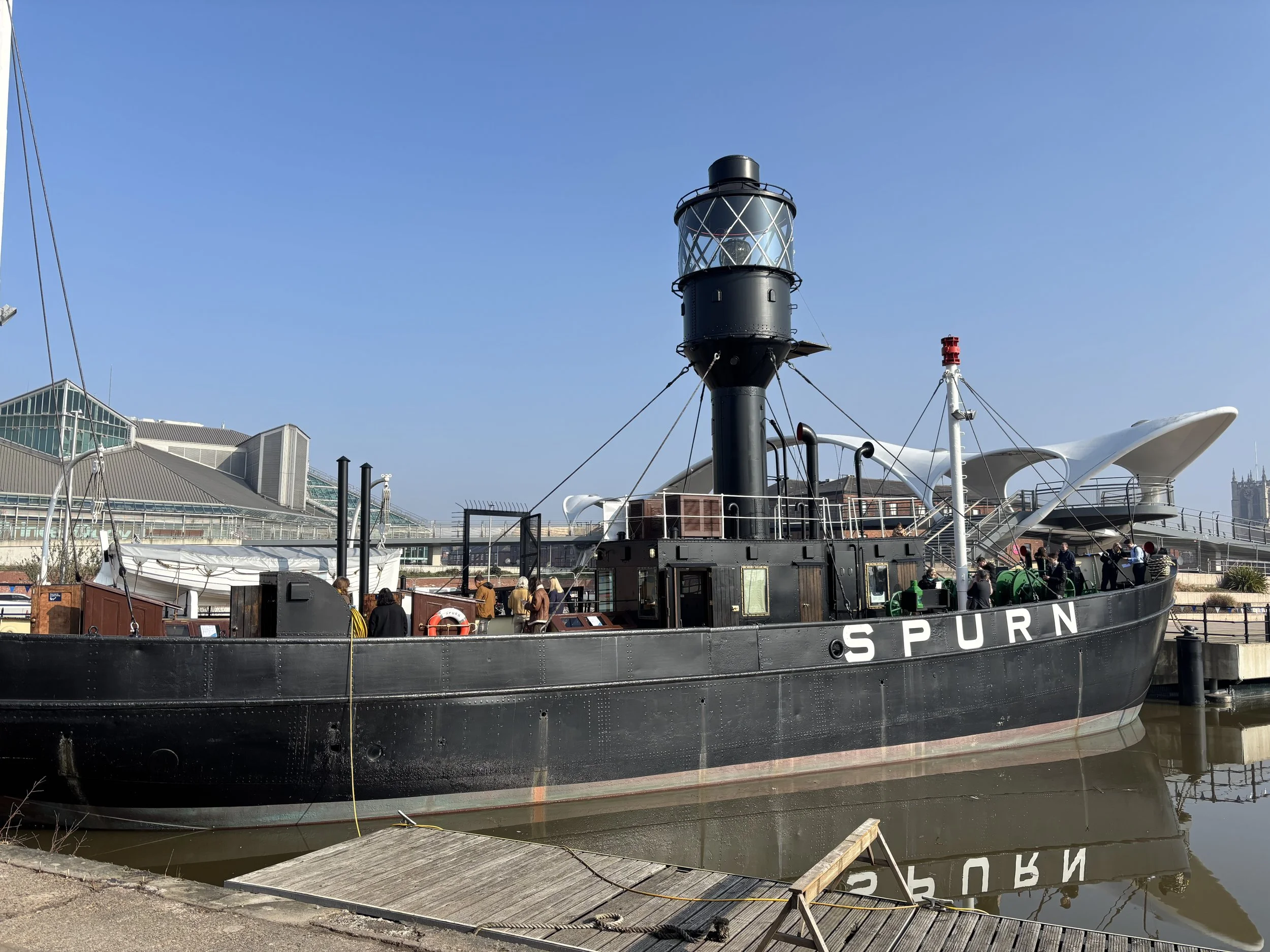
BUILT TO LAST: Spurn Lightship, which survived 17 collisions
By Simon Bristow, Co-Editor
An enthralling part of Hull’s maritime heritage will begin welcoming visitors again on Saturday, and those lucky enough to have tickets will find themselves stepping onto a beautifully restored relic of a bygone era.
In the days before GPS and other modern navigational aids, Spurn Lightship stood sentinel off the mouth of the River Humber, guiding generations of seafarers through one of the world’s most dangerous waterways.
Now after a 14-month restoration project costing £4m, she is ready to resume her role as a floating museum at her berth near the Holiday Inn on Hull Marina.
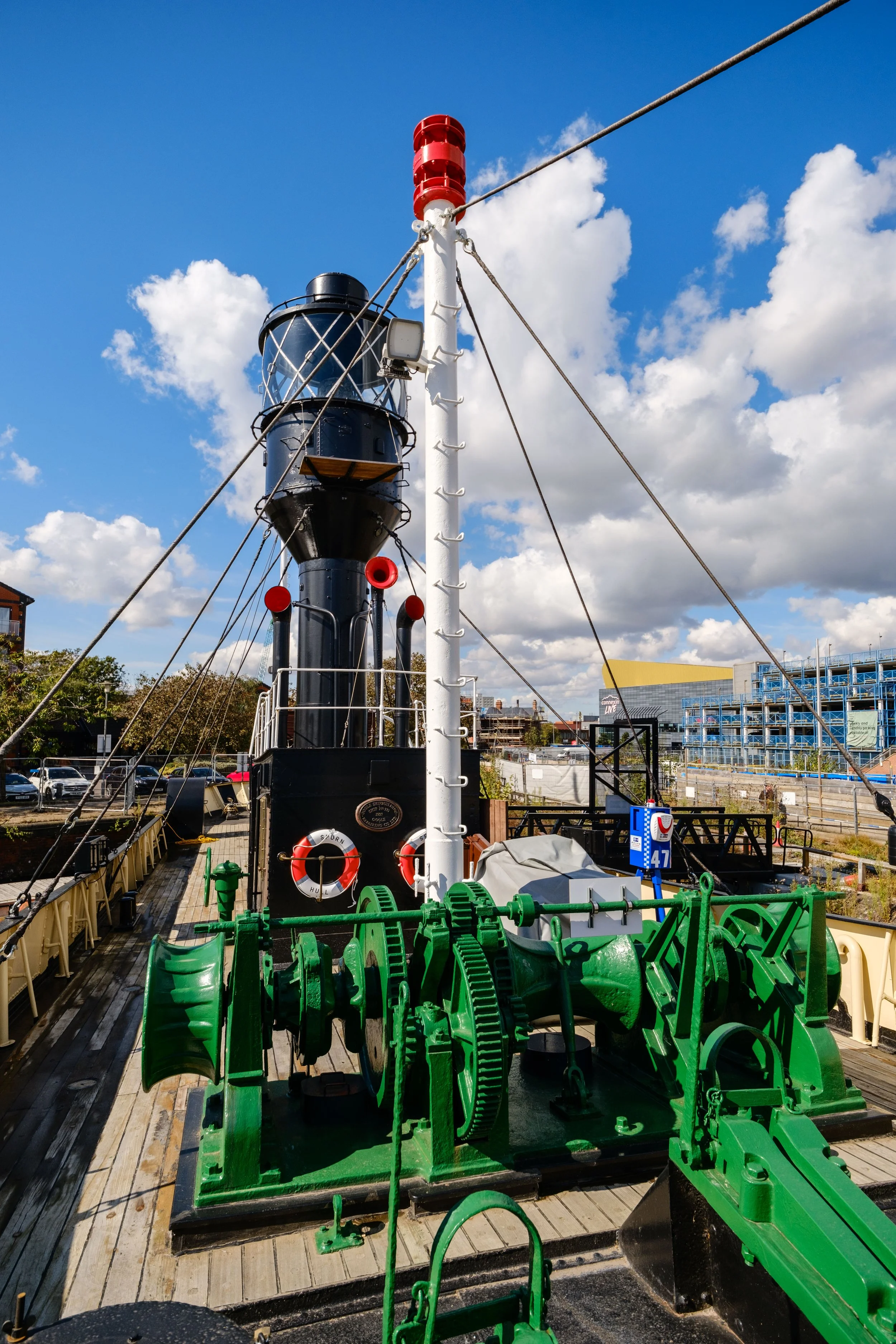
LOVINGLY RESTORED: Some of the workings on the ship
The lightship’s opening also marks the start of a new chapter in the city’s visitor economy, being the first of the multifaceted Hull Maritime attractions to open to the public. The wider project is expected to generate £5.5m for the city’s economy each year as well as delivering new employment, skills and training opportunities.
With the sort of timing organisers could only have dreamed of, the fog lifted to reveal blue skies and bright sunlight just as the vessel was being opened to members of the media for a preview this morning.
Among those welcoming them aboard was Councillor Mike Ross, leader of Hull City Council, which is funding the Hull Maritime project with The National Lottery Heritage Fund. Coun Ross said: “This is a momentous moment for the council with this project but more importantly for the city as we start the process of revealing what all this has been about.
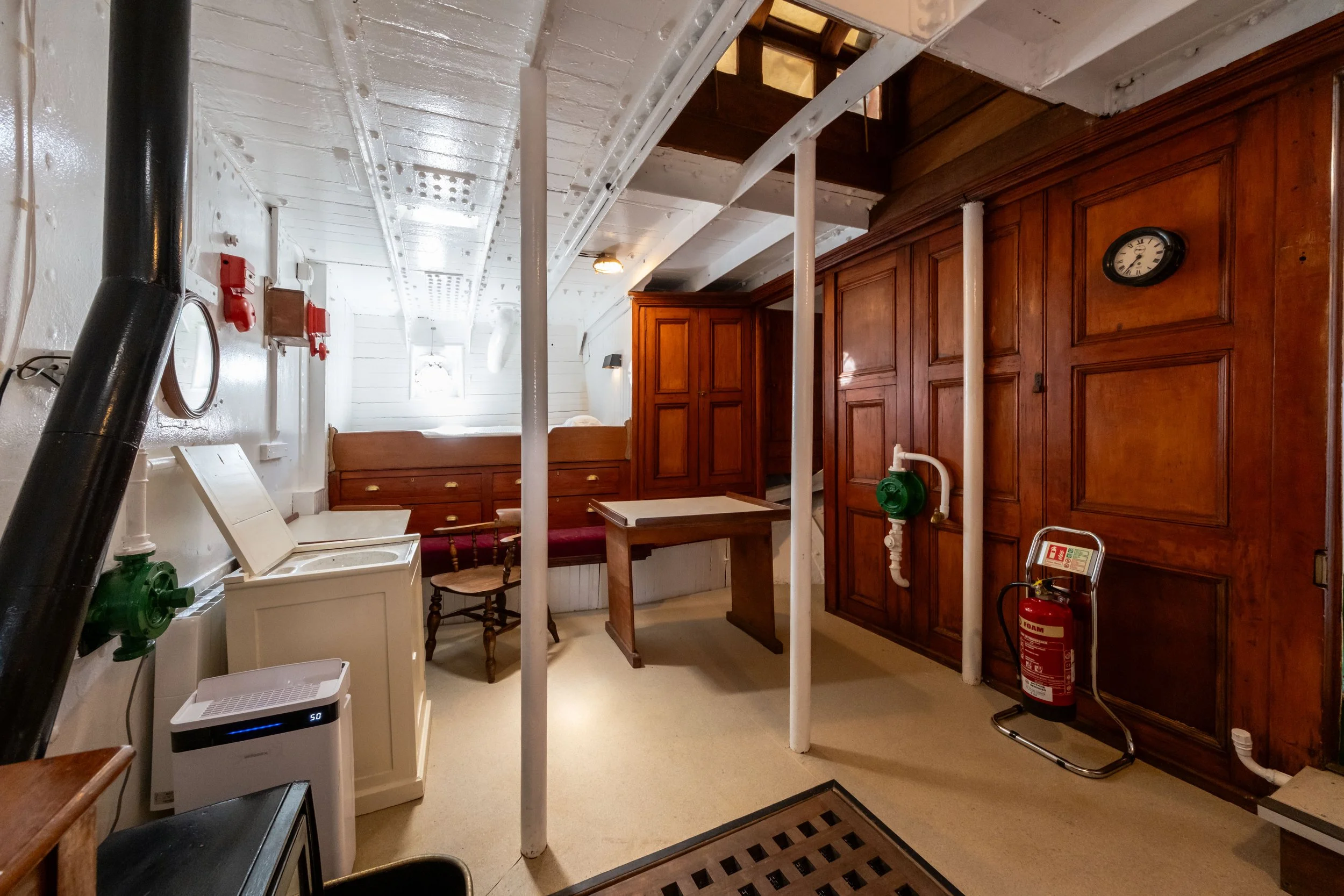
IMMACULATE: Below deck with a bunk in the background
“Now we are able to start welcoming the public back on board Spurn Lighthouse they will see what all the work has been about and they will be really impressed.”
The work, carried out by Dunston Ship Repairs, has included a restored deck, shotblasting to remove corrosion, priming and several coats of paint to protect the ship for future generations.
There has also been “significant” work to the cabin and below deck. Extensive replacement of damaged fittings, rotten wood, corroded steel and cracked glass have been undertaken sympathetically, returning the vessel to its original condition as much as possible while also improving visitor experience and accessibility.
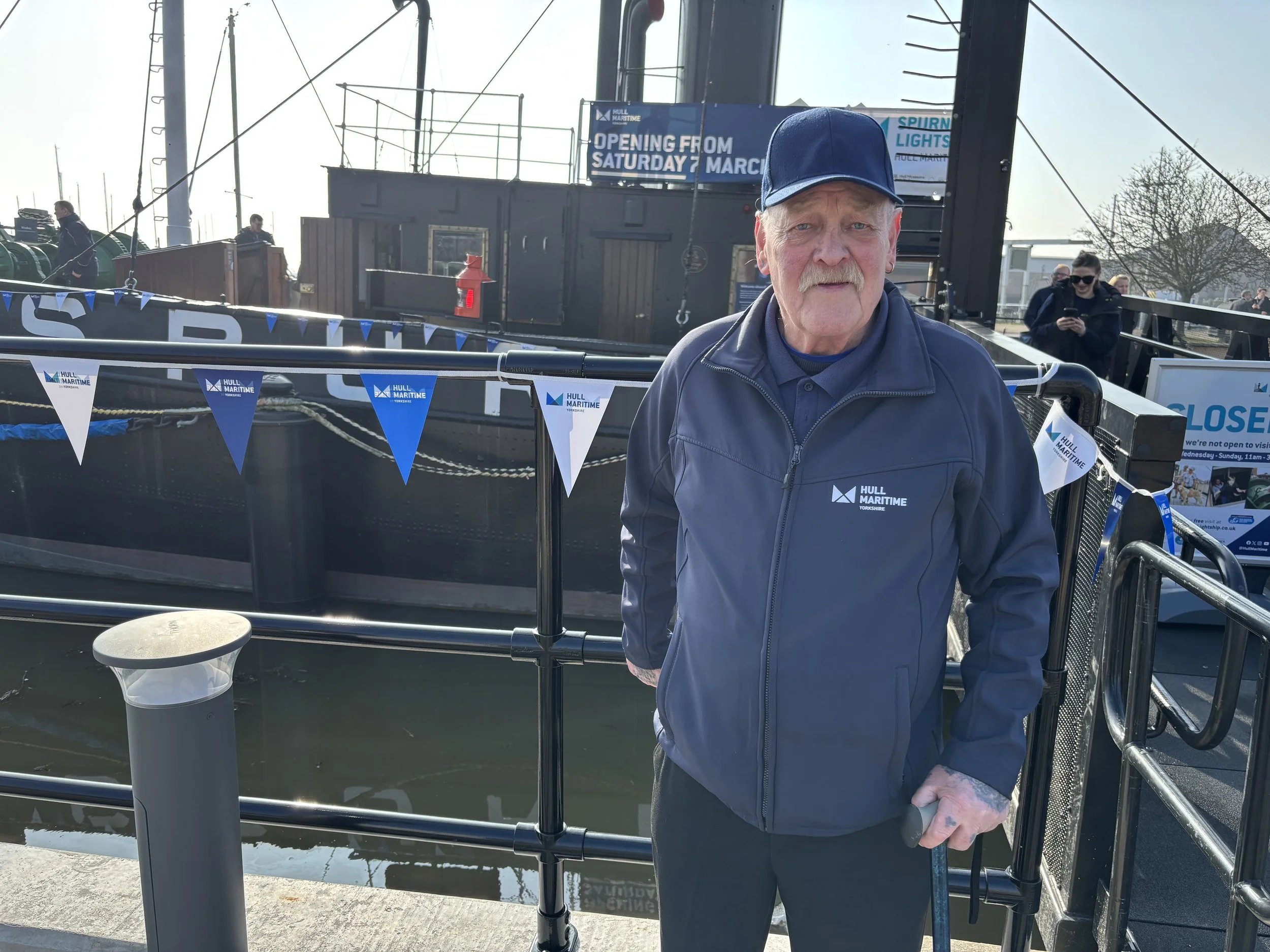
MEMORIES: Dave Whitworth, who served on the lightship in the 1960s and is now a Hull Maritime volunteer
The result is giving visitors a real sense of what life was like on board the ship for a crew of up to seven seamen who lived and worked on her for three weeks at a time on her perilous station in the North Sea.
From her stable mooring in the Marina, it is not hard to imagine, for example, who difficult even the short journey to the on-deck “heads” must have been during rough seas and storms.
Information boards give further insight into what risks men and ship faced in addition to the weather. The 99-year-old lightship was built twin-hulled, giving an extra steel skin to protect against collisions and the damage and leaks they could cause.
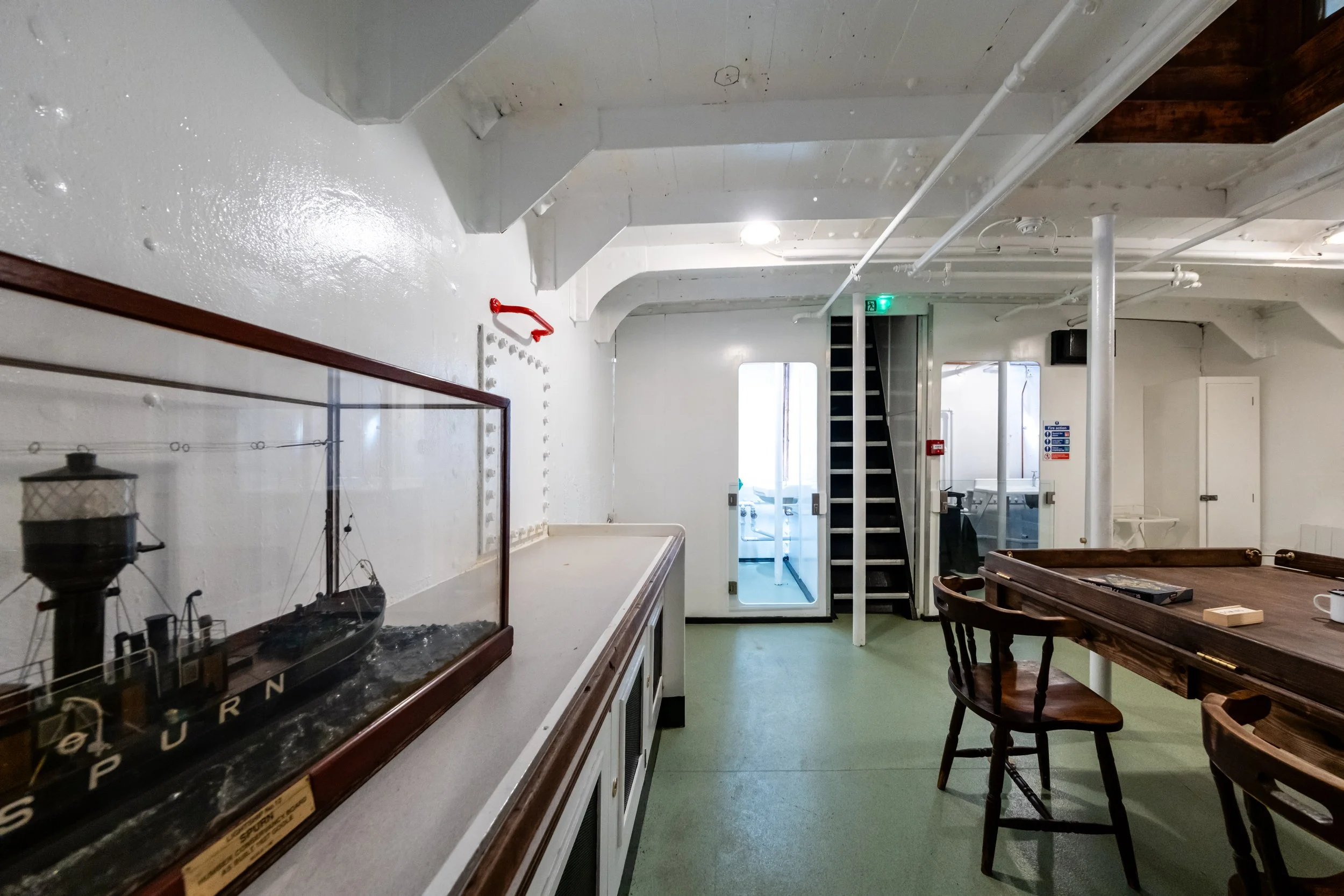
HISTORY: A model of the lightship below deck
As one board says: “The risk of collision from other ships, especially in fog, was very real. Although it seems bizarre that a lightship would not be spotted by other ships, this was often the case. The Spurn Lightship suffered at least 17 collisions and survived.”
One man who knows exactly what it was like is former seaman Dave Whitworth, 81, who is one of two former crew members working as volunteers guides on the ship.
Asked if it had been a frightening experience, he said: “I wouldn’t say scary but you had to watch and they did come pretty close, especially tankers. We had a bell forward as well. If it got a bit hairy you’d start ringing that as fast as you can.”
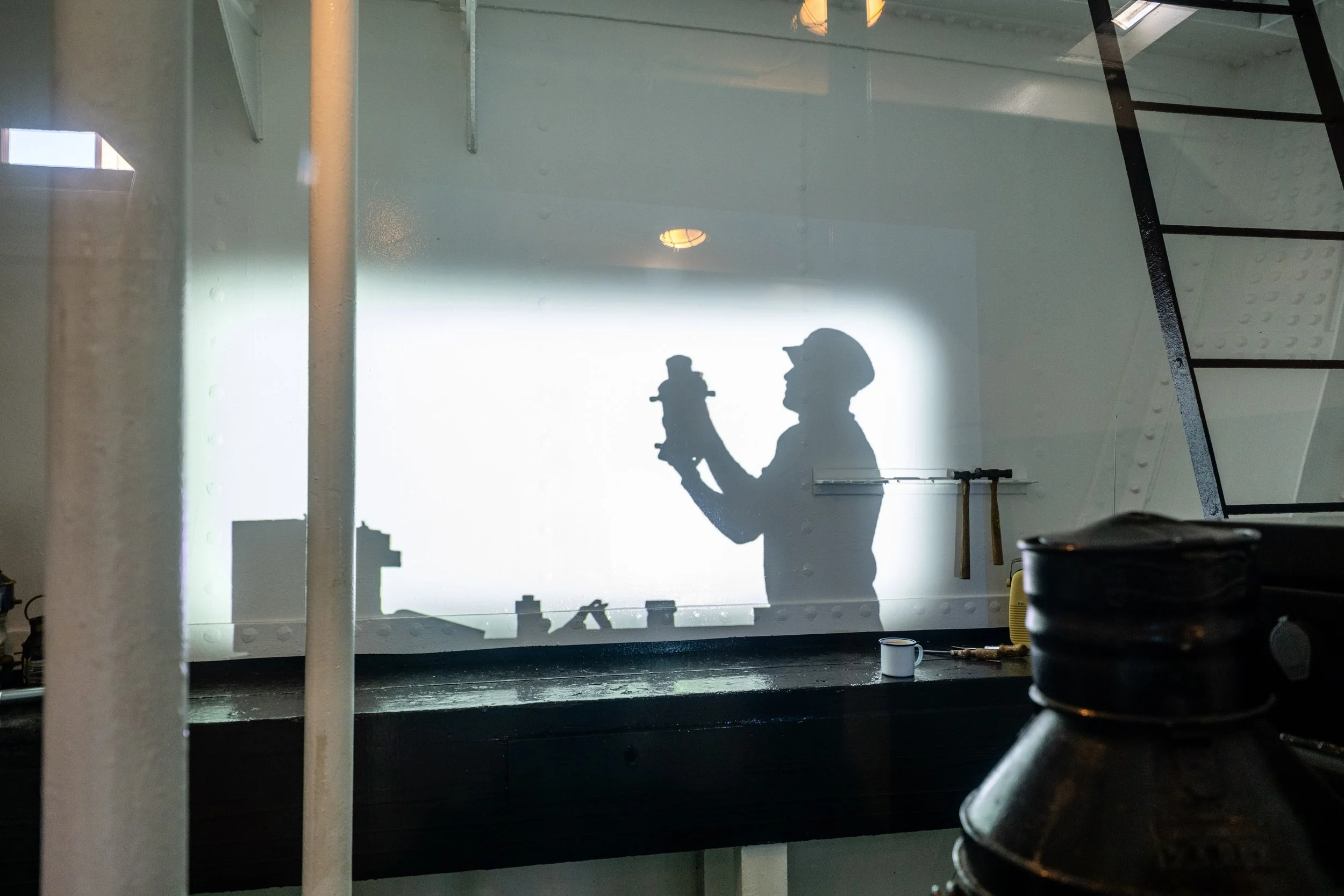
PROJECTION: A silhouette film of a man working on the ship
Although the lightship operated with two anchors, on one occasion even they were not enough to hold her in place during the worst conditions. On January 31, 1953, the ship was driven off station and drifted 12 nautical miles south onto Protector Shoal, where the reserve anchors held.
As well as the ship’s powerful lantern she had other means of alerting shipping to her presence. An electrically powered foghorn would sound on deck during bad weather, giving two blasts every 20 seconds. A manual reed foghorn was kept in reserve in case of breakdown.
A Morse code signal with a 50-mile radius was also sent out as well as an underwater signal with a radius of 20 miles.
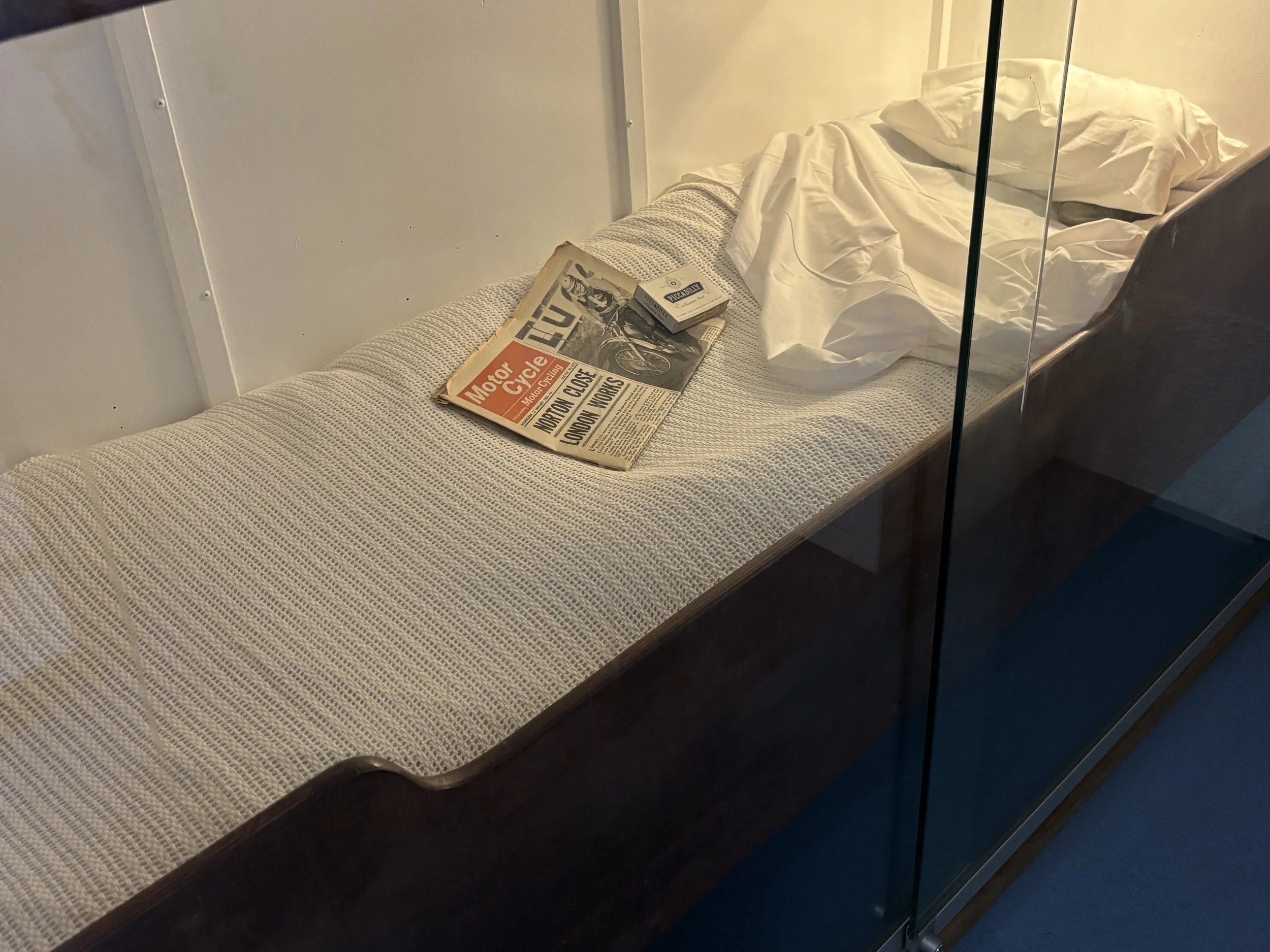
SNUG: A restored bunk
Below deck you can also see where the crew slept, cooked and ate when they were not at work. Audio and visual projections add to the impression of a working ship.
Dave, who began the first of two spells as a crew member as a 21-year-old in 1967, said he was delighted with the restoration – although his knowing eye did linger on some of the finer points. “The brass-work had to be sparkling and that would take you all day,” he said.
He added: “I think it’s brilliant. It brings back a lot of memories. And for the guys who’ve gone – I wish they could be here to see it.”
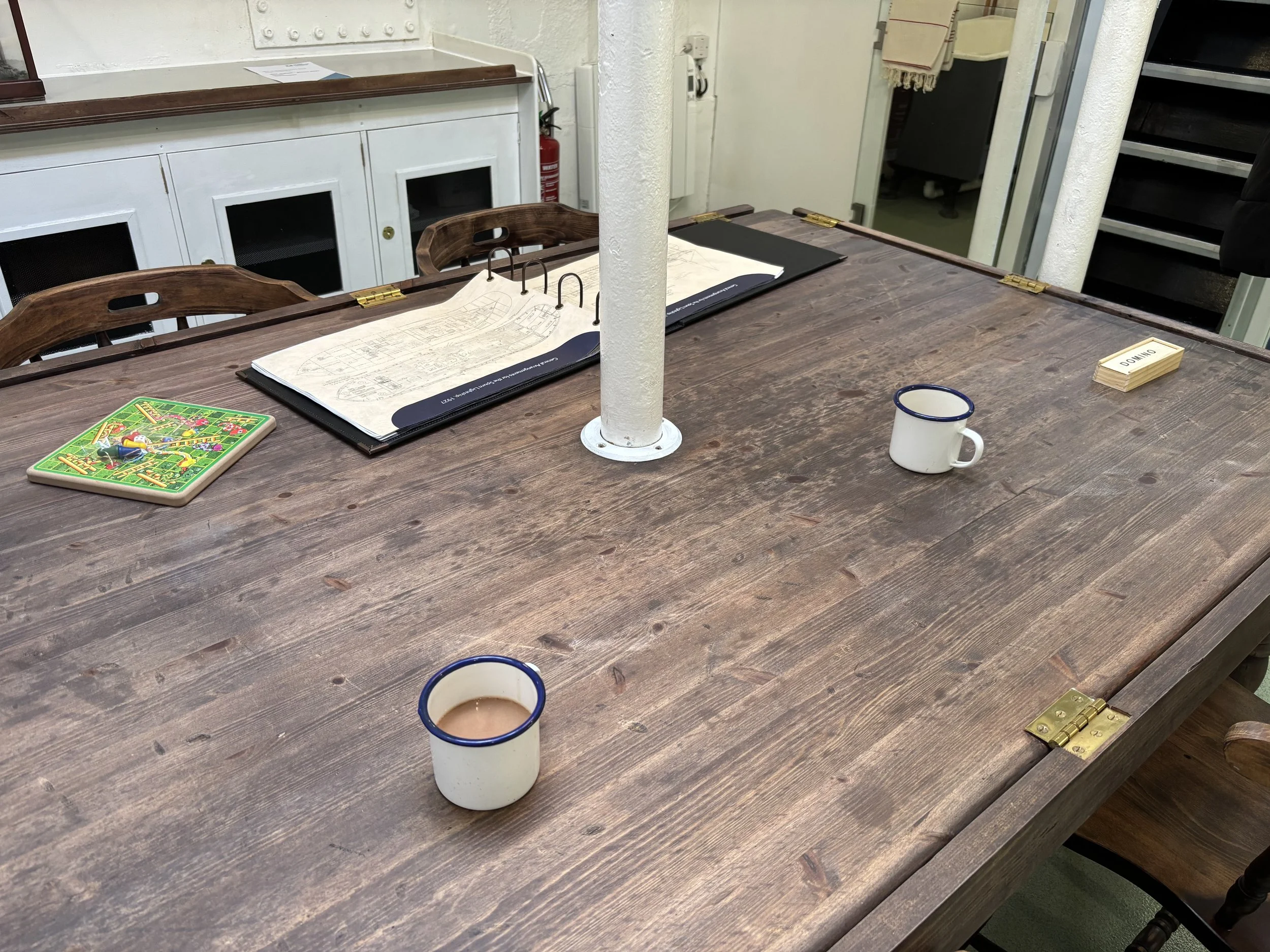
AS IT WAS: Cups of tea and games
The unveiling was also a moment of pride for the team at Dunston Ship Repairs who worked on the restoration.
Techinical director Dave Clark said she was in “poor condition” at the start of the project. He said: “All the workforce can feel proud about the restoration. Some have relations who worked on the vessel so there’s a strong connection.”
Built in 1927 by Goole Shipbuilding and Repairing Co at a cost of £17,000, Spurn Lightship was originally known as LV No 12.
She was the first lightship to be located at the Spurn station just outside the Humber. After nearly 50 years’ service, the lightship was decommissioned in 1975 and laid up.
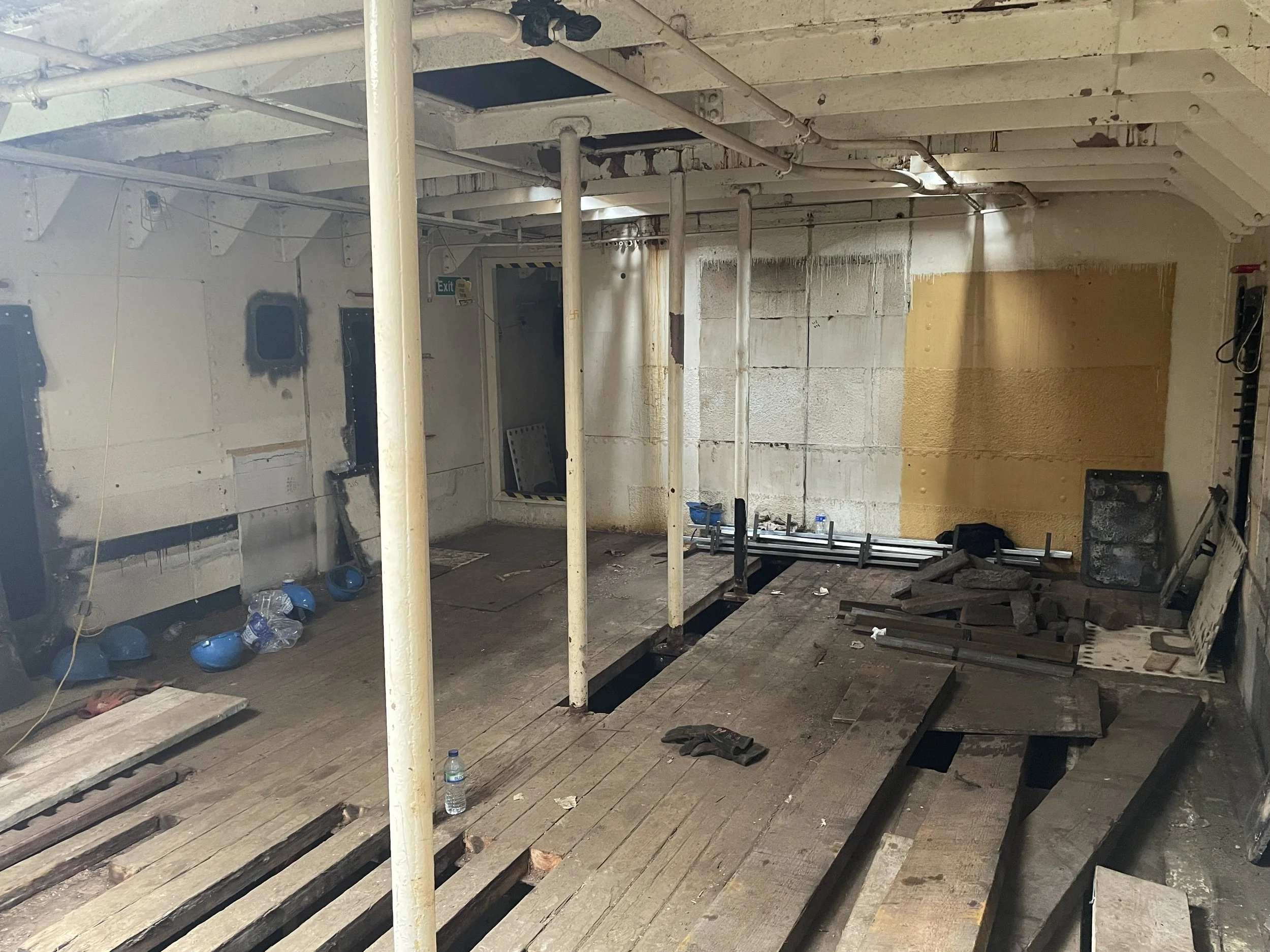
‘IN POOR SHAPE’: The crew’s quarters before the restoration
She was bought by the city council and restored, opening as a floating museum in 1987. The ship welcomed more than 630,000 visitors before closing to the public in 2018.
All advance tickets for Saturday and Sunday have been booked, although some walk-ups may be able to board with a maximum of 40 on the vessel at any time.
The lightship, which is free to visit, will be open from 11am to 3pm from Wednesday to Sunday each week.