
Saved! Council steps in to fund ‘must-see’ Tudor visitor attraction
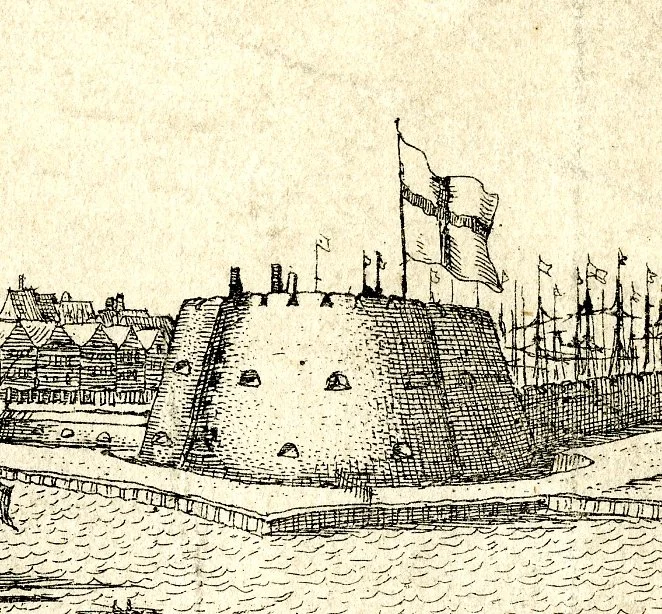
TUDOR DEFENCE: The South Blockhouse was built on the orders of Henry VIII

Now & Then, a column by Angus Young
EXCLUSIVE
This should be a year to look forward to.
The long-running works on the Castle Street section of the A63 in the city centre are scheduled to be completed later this spring, the Maritime Museum is due to re-open after a major refurbishment, the facelift of Queens Gardens is on track to be finished shortly and – subject to the removal of 10,000 tonnes of silt and a fair tide – the former sidewinder trawler Arctic Corsair should be in its new dry dock berth on the River Hull.
All these big ticket projects have suffered delays of one sort or another in recent years so seeing them come to fruition will be something of a relief.
However, the development I’m looking forward to seeing most isn’t among them.
Twelve months ago the ambitious South Blockhouse project was at risk of not actually happening at all.
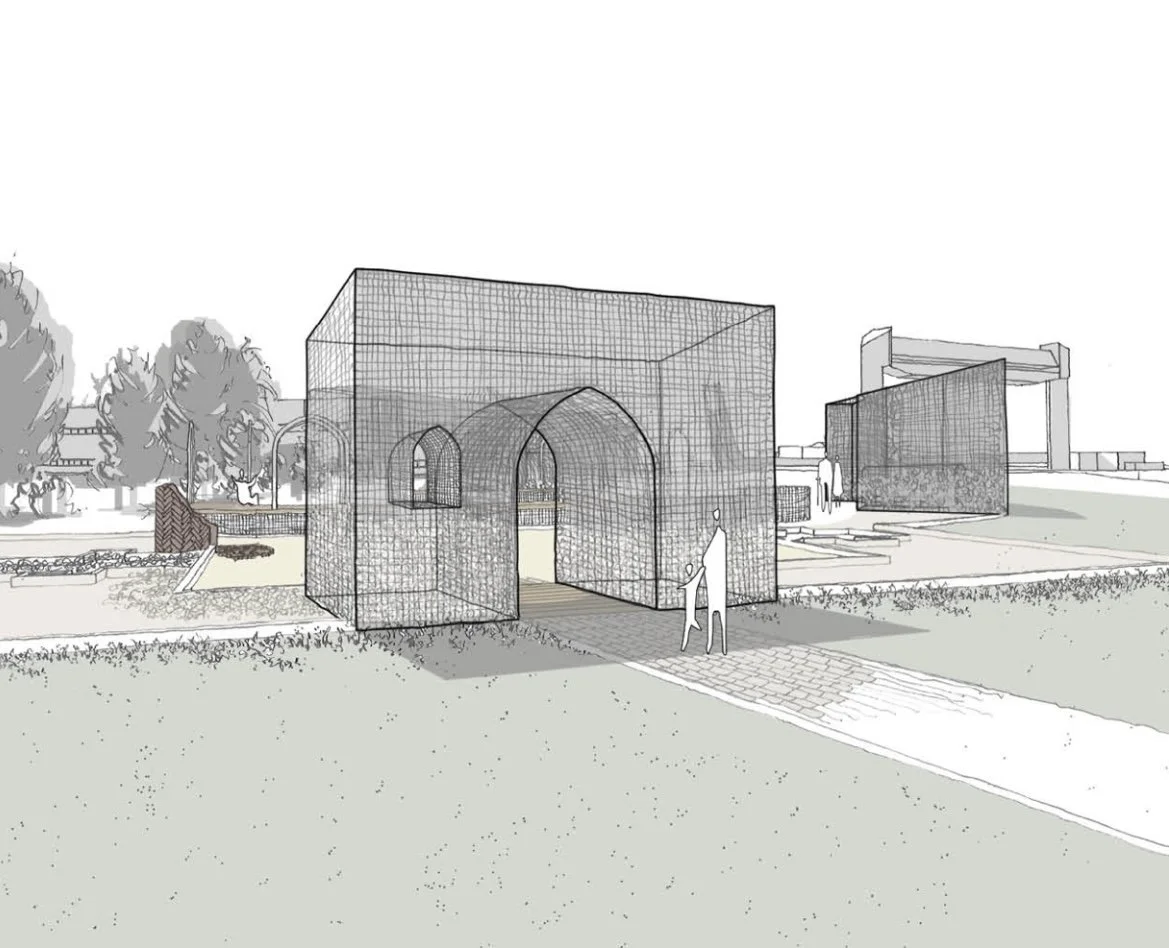
STRIKING: A drawing of the proposed entrance to the South Blockhouse site. Picture credit: Hull City Council / The Manser Practice
As well as confirming a delay in the completion of the Castle Street upgrade, National Highways announced it was withdrawing funding worth £1m it had previously allocated to the project aimed at creating a new visitor attraction on the site of King Henry VIII’s Tudor fortress between Myton Bridge and The Deep.
National Highways had previously provided two sets of funding for the project.
One funding award covered the cost of archaeology works on the site, the other supported a follow-up feasibility study which mapped out options for a new visitor attraction, as well as the preservation of the scheduled ancient monument itself, the remains of which lie underground.
Today I’m pleased to report the South Blockhouse project is back on track after Hull City Council stepped in to plug the financial gap.
The council has agreed to include just over £1.5m in its capital spending programme to complete the new attraction.

The funding not only covers the construction of a series of large sculptural structures made from wire mesh designed to echo the mass and scale of the historic military complex, but also a new community archaeology programme and two related artworks.
The latter will feature specially-commissioned pieces by Hull-based artist Adele Howitt, who runs her own gallery in nearby Humber Street, and Dutch-born artist Bettina Furnee who is currently based in Cambridge.
The new council funding tops up an existing £250,000 grant from the National Heritage Lottery towards expanding community engagement around the project.
City council leader Councillor Mike Ross said: “Following the disappointing decision by National Highways to withdraw their financial support for the South Blockhouse project, it was vital to find alternative ways to preserve its future.
“This decision demonstrates our commitment to protecting Hull’s heritage and making sure the untold story of this ancient monument is shared.
“The South Blockhouse is a unique part of Hull’s history that shaped our city, and by allocating this funding we are preserving an important link to Hull’s past for generations to come.”
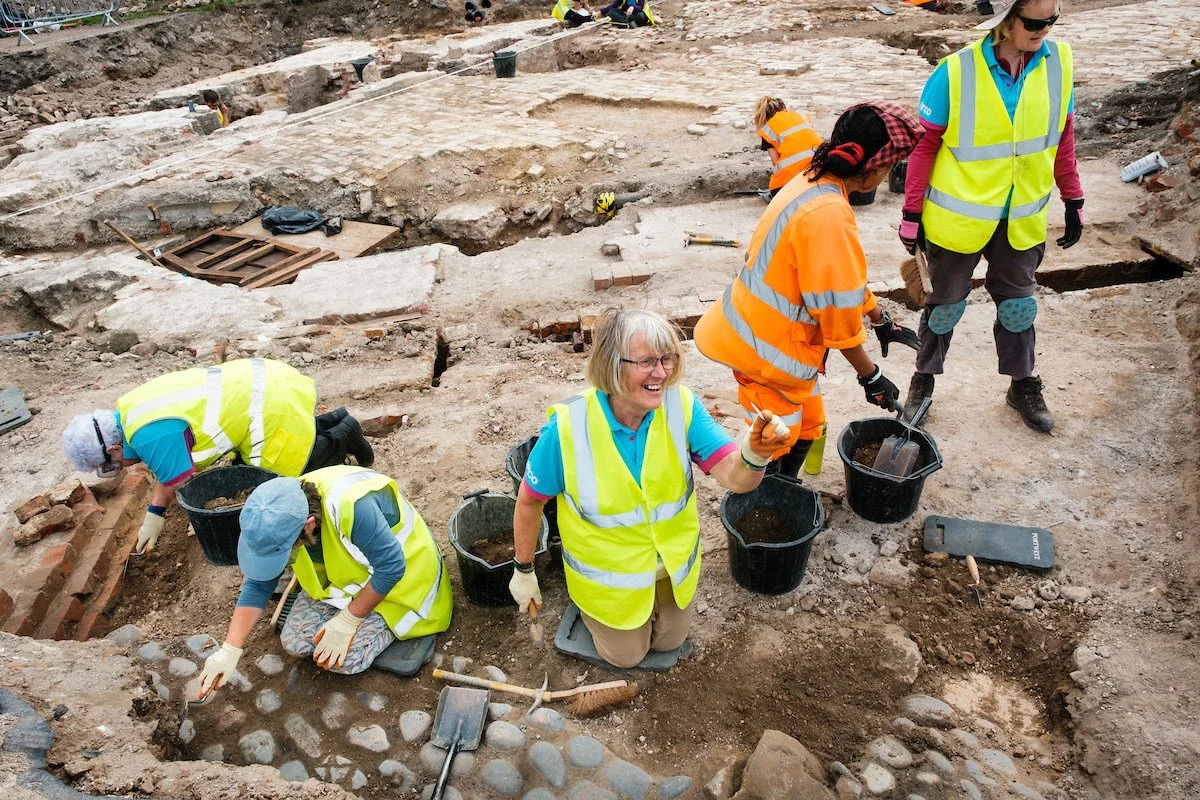
COMMUNITY DIG: Volunteers excavating the site in 2022
Originally located on the east bank of the River Hull, the South Blockhouse was built as part of a larger fortress on the orders of King Henry VIII in 1541 to support his military campaigns in Scotland and to protect the strategically important port of Hull from potential seaborne attack from the Humber.
It was eventually demolished in the mid-19th century having been used as a military garrison base and a prison.
However, the footprint of the distinctive clover leaf-shaped building and some of its foundations have survived, albeit they are now buried beneath what is currently an overspill car park for visitors heading to The Deep.
A cannon was discovered at the site during an earlier archaeological dig in 1997 and is now displayed in the front entrance of the Hull and East Riding Museum of Archaeology in High Street.
Nicknamed Henry’s Gun, the wrought iron barrel and breech is mounted on a modern-built wooden carriage and would have been capable of firing solid stone balls weighing 5.5kg and measuring 15cm across.
The gun had a limited range of around 500 metres and wasn’t particularly accurate but the balls could penetrate the side of a ship and they were typically fired with bags of flint and scrap to shred a ship’s rigging.
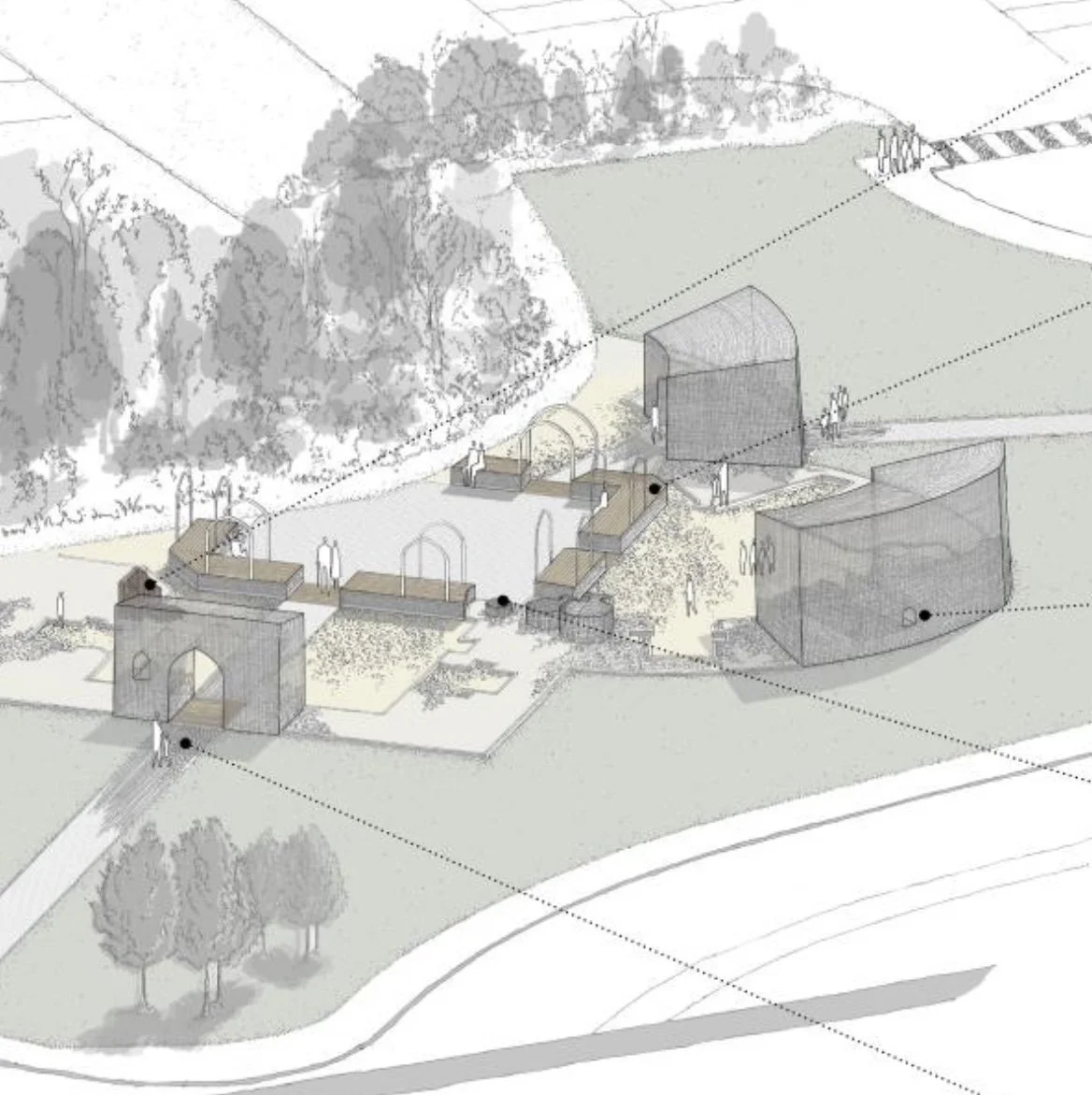
GRAND: How the site could look. Picture credit: Hull City Council / The Manser Practice
This type of gun was first mentioned at South Blockhouse in a list of the King Henry VIII’s property in 1547. Six years later Hull Corporation took over responsibility for both the fortifications and its weapons.
No-one knows whether the gun was ever fired. One theory is that it could have helped Hull defend itself from Royalist attack in 1642 – the year King Charles I was famously refused entry to the town at Beverley Gate.
A more recent archaeological excavation at the site in 2022 involved a large group of community volunteers working alongside professional experts for the first time.
Although nothing as spectacular as Henry’s Gun was unearthed, tons of brick, earth and stone were removed to reveal the largest-ever exposed sections of the South Blockhouse, as well as some later Victorian era development.
Some of the work completed during that dig will be reflected in the lay-out of the new development.
Hopefully, the fascinating history of the Blockhouse and the striking design of the new structures will combine to provide another must-see destination on Hull’s tourist trail, providing a perfect stopping point between The Deep and the charms of the Old Town and its museums.
I can’t wait to see it and soak up the atmosphere, imagining the old king taking a tour of the ramparts to gaze across the Humber much as visitors to The Deep do today.