
Scrap metal ship fire ‘may have been caused by undischarged battery’
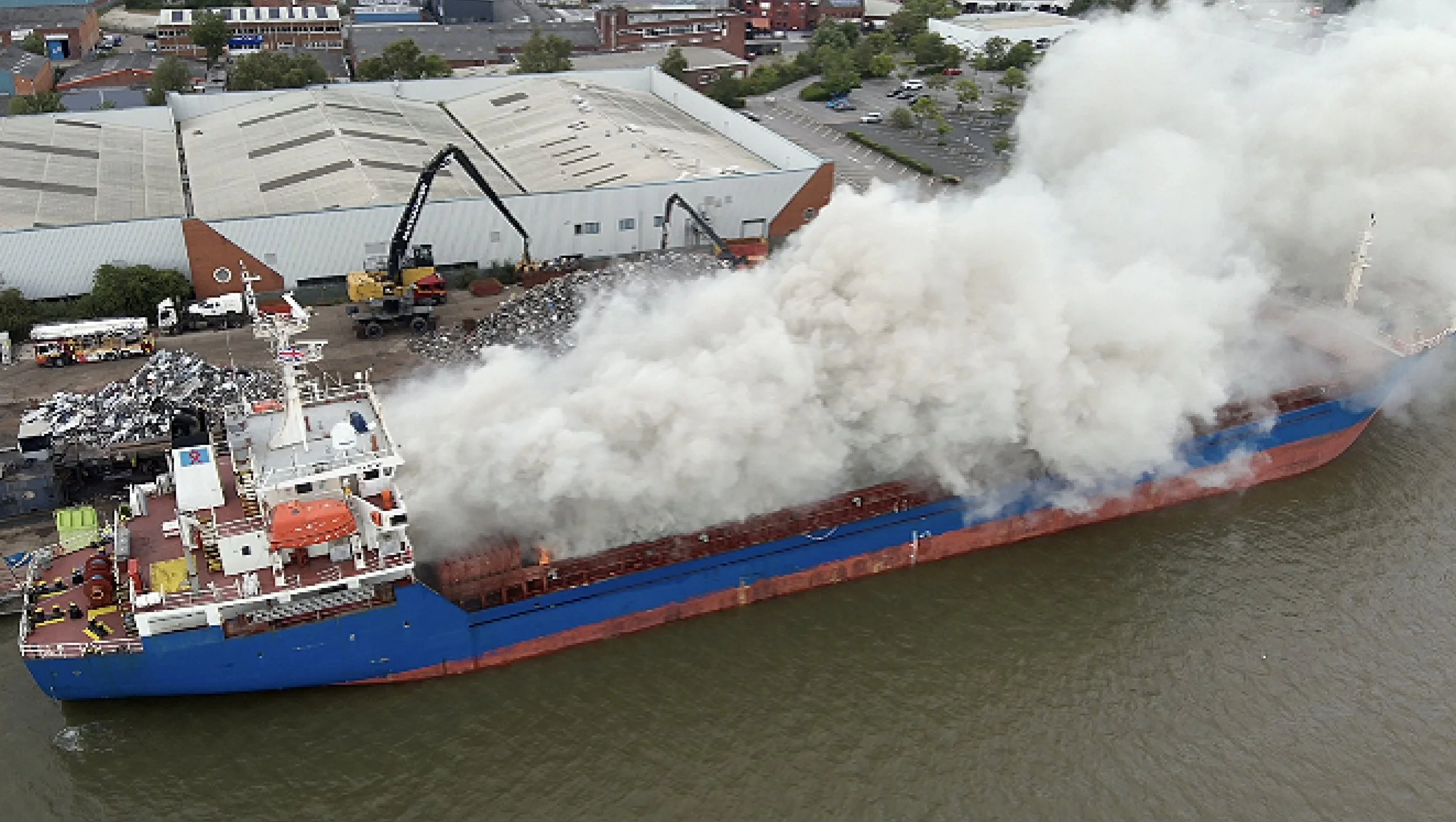
MAJOR INCIDENT: The Altay on fire in Albert Dock. Picture credit: Humberside Fire & Rescue Service
EXCLUSIVE
By Angus Young
A huge fire in a ship’s cargo hold which sent a noxious cloud over Hull was probably caused by an undischarged battery in scrap metal being loaded into the vessel, a preliminary report has found.
However, an investigation into the incident has revealed there were no physical dockside checks to weed out potentially hazardous items from the scrap.
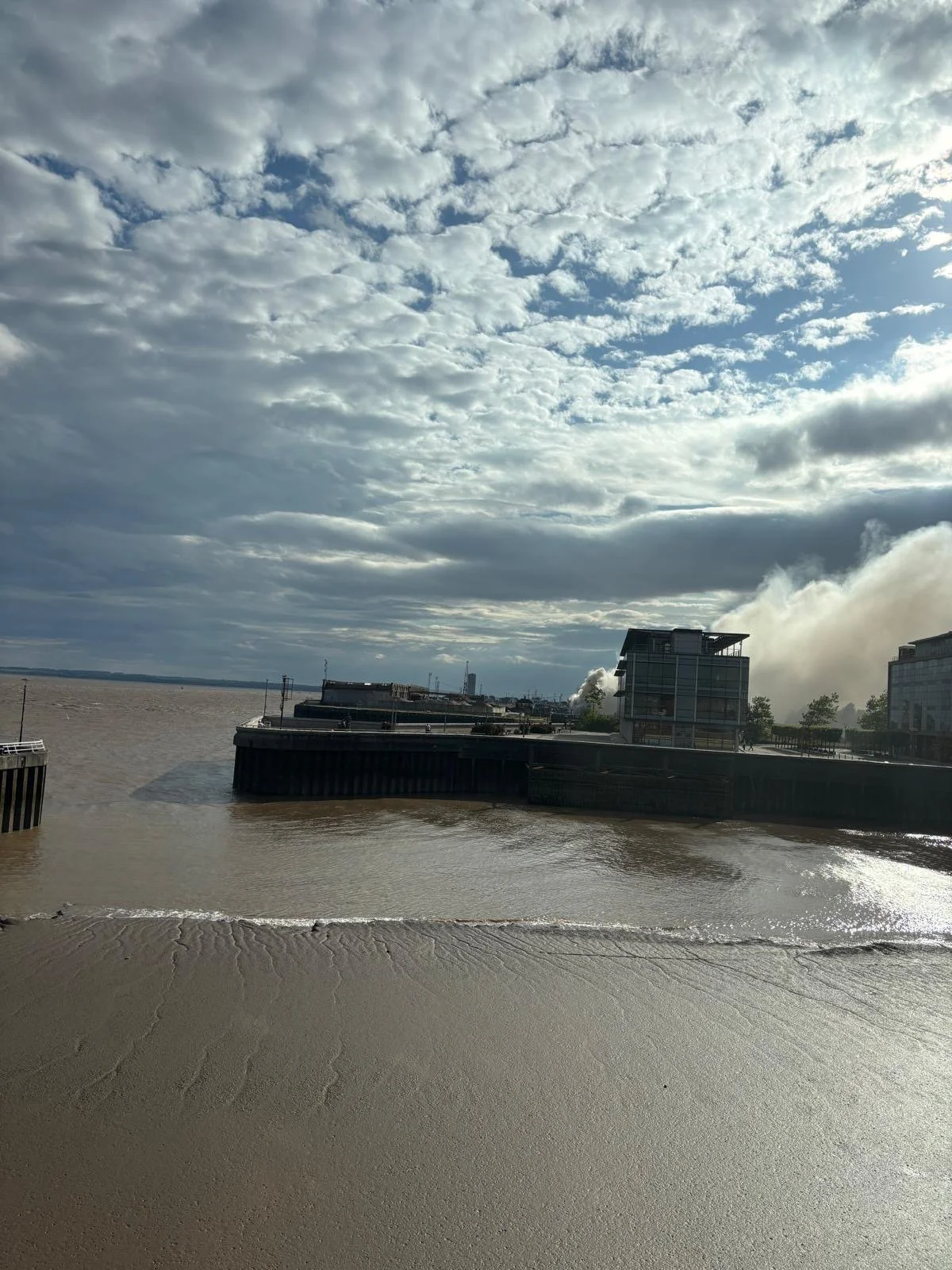
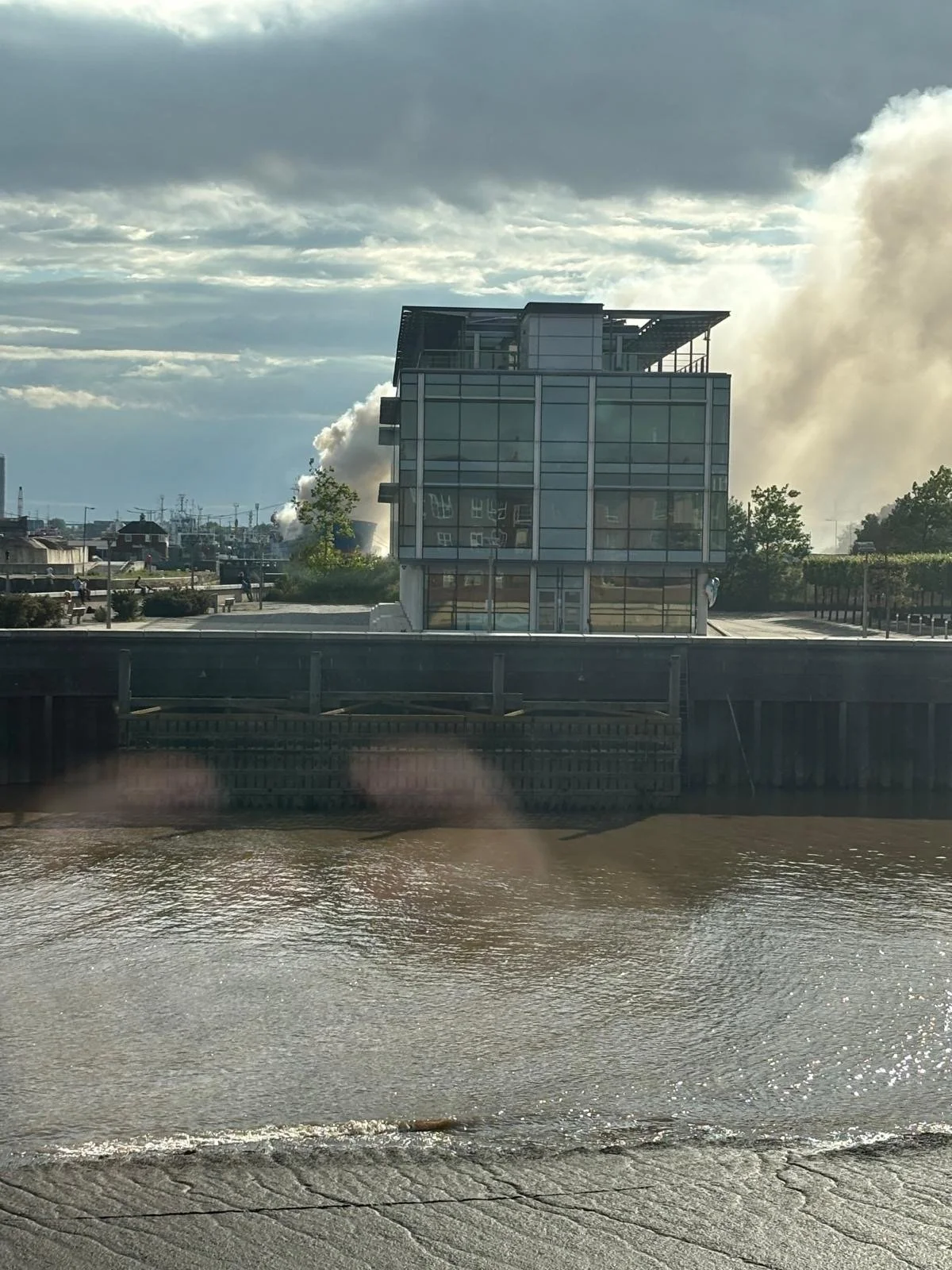
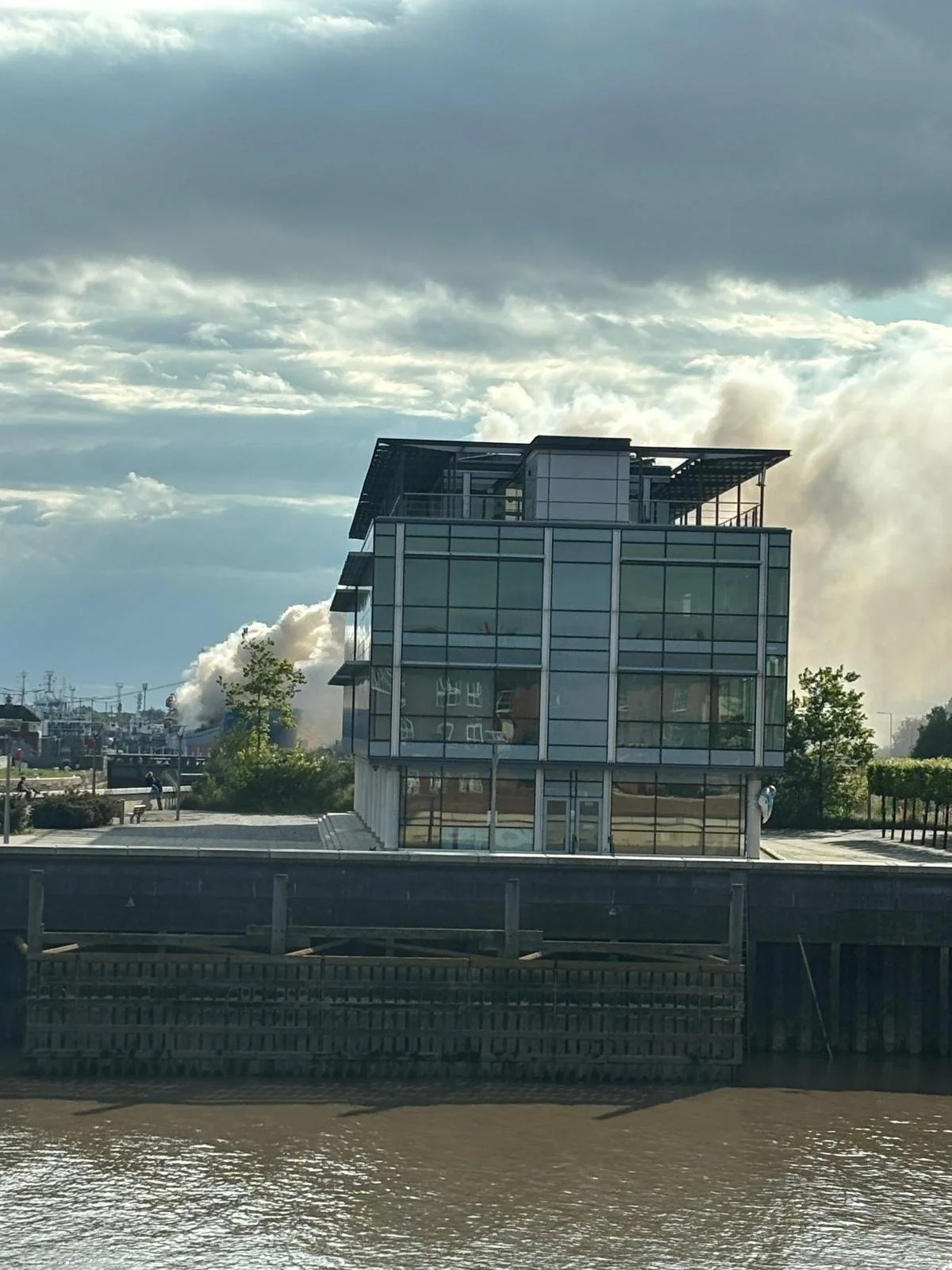
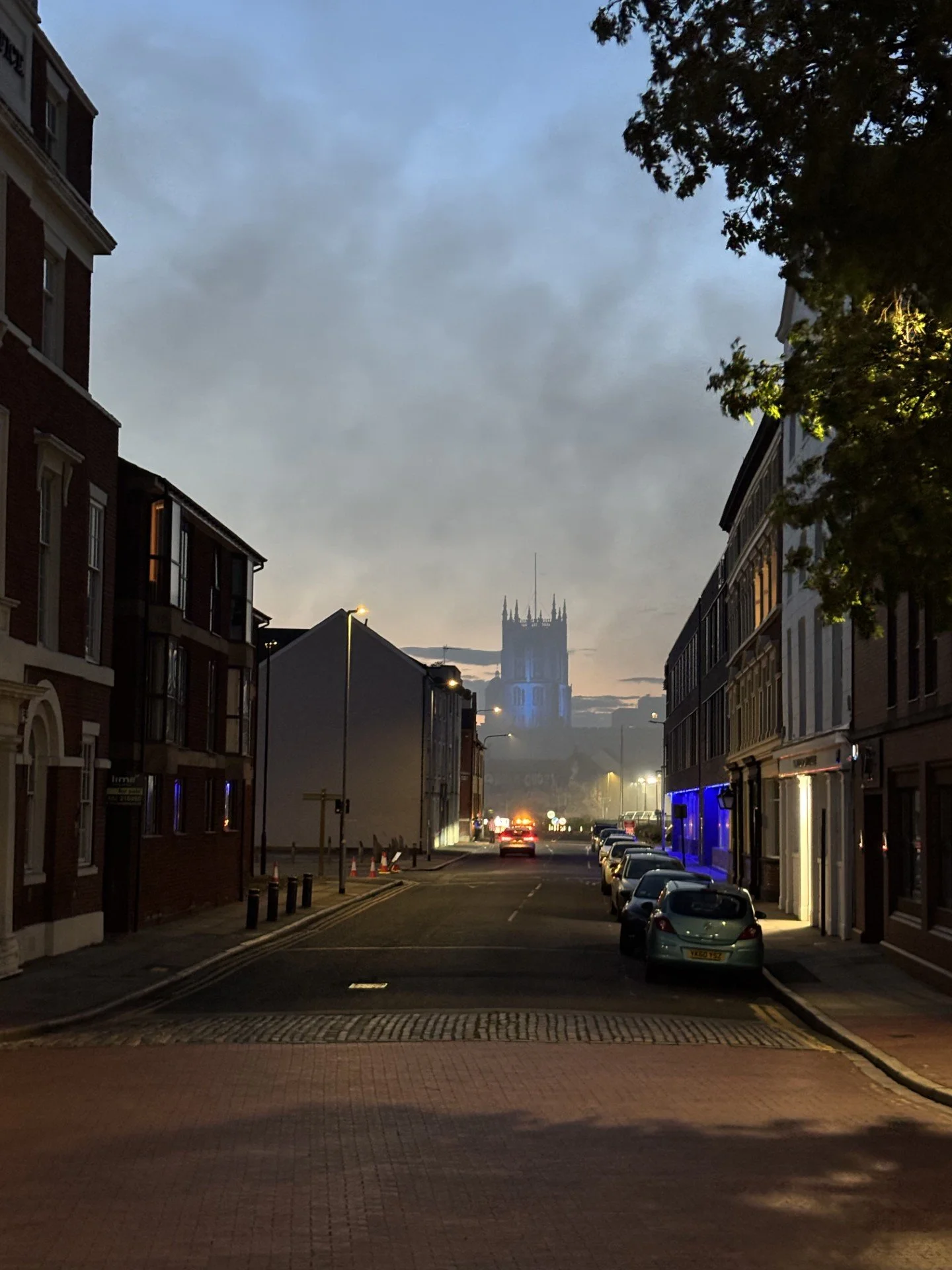
Two roads were temporarily closed and nearby residents and businesses – including Kingston Retail Park – were advised to close doors and windows during the blaze on the cargo ship Altay in June this year.
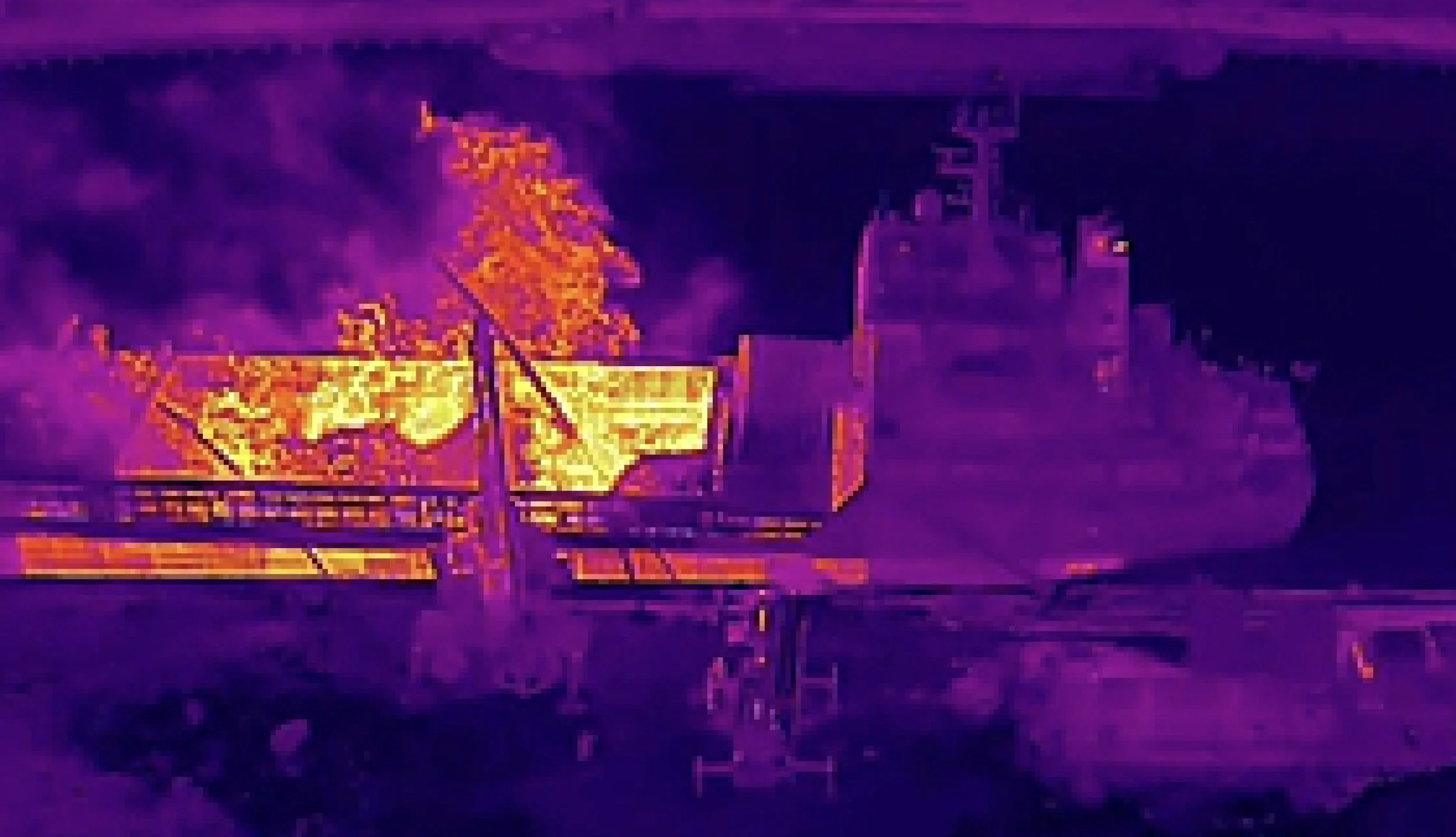
INFERNO: An aerial image of the blaze. Picture credit: Humberside Fire & Rescue Service
Berthed in Albert Dock, the bulk carrier was on a regular visit to the city to pick up scrap metal.
A new preliminary assessment report by the Marine Accident Investigation Branch (MAIB) concludes the fire was “likely caused by an undischarged battery or other ignition source, causing a spark during loading that ignited combustible material in the scrap cargo”.
The report says the contents of the scrap was not physically checked on the dockside before being loaded into the ship.
It says: “The scrap cargo had been collected from several sources and the recipient company, Griffiths Group Ltd, expected its suppliers to screen their product to remove hazardous material such as combustibles and batteries.
“Deliveries of scrap cargo to Hull were visibly checked on arrival. There was no additional sorting and screening facility to ensure that contaminants were not present.”
The MAIB report says the cargo had been classified as conventional non-hazardous scrap metal under an international maritime code for shipping solid bulk cargoes.
“However, the scrap cargo contained hazardous impurities, including batteries, oil drums and oily residues, which posed a fire risk,” it adds.

‘NOT PHYSICALLY CHECKED’: The scrap metal before being loaded onto the ship
The report says Griffiths Group Ltd, which owned the cargo loading facility at Albert Dock, ceased trading following the incident.
The fire on June 27 took 24 hours to extinguish and caused significant damage to structural steelwork in the ship’s aft cargo hold. There were no injuries and no loss of life.
The Maritime and Coastguard Agency allowed Altay to leave port a month later to return to Turkey for repairs.
The MAIB says the vessel’s Turkish owners, Beyaz Denizcilik Ltd, had subsequently highlighted the importance of cargo load monitoring and pre-loading inspection to its crews.
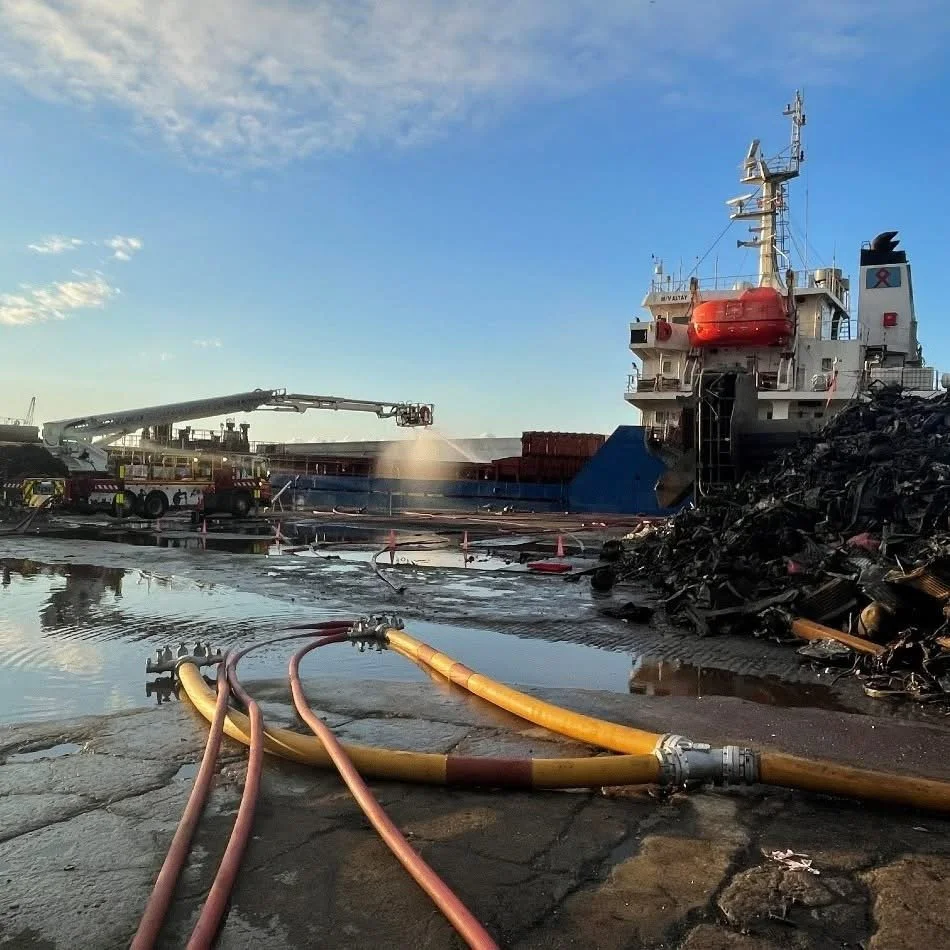
AFTERMATH: Firefighters hose down the ship after containing the blaze. Picture credit: Humberside Fire & Rescue Service
Albert Weatherill, principal consultant and senior advisor at Hull-based marine surveyors Van Ameyde Marine, said: “Recent incidents across the UK have underscored the serious fire hazards linked to the handling of scrap metal cargoes.
“These fires, some resulting in significant operational disruption and damage, have often stemmed from spontaneous combustion during loading, transit or discharge.
“Scrap metal, especially when finely divided or contaminated, can self-heat and ignite. Risk is elevated by the presence of oily residues, cutting fluids or lithium-ion batteries.
“Materials such as timber, rags, gas canisters and batteries can introduce volatile elements. When wet, these contaminants significantly increase fire risk.
“Scrap metal cargoes present unique fire risks that demand proactive management.”