
From fruit seller to demolition king – how Sam Allon changed the face of Hull
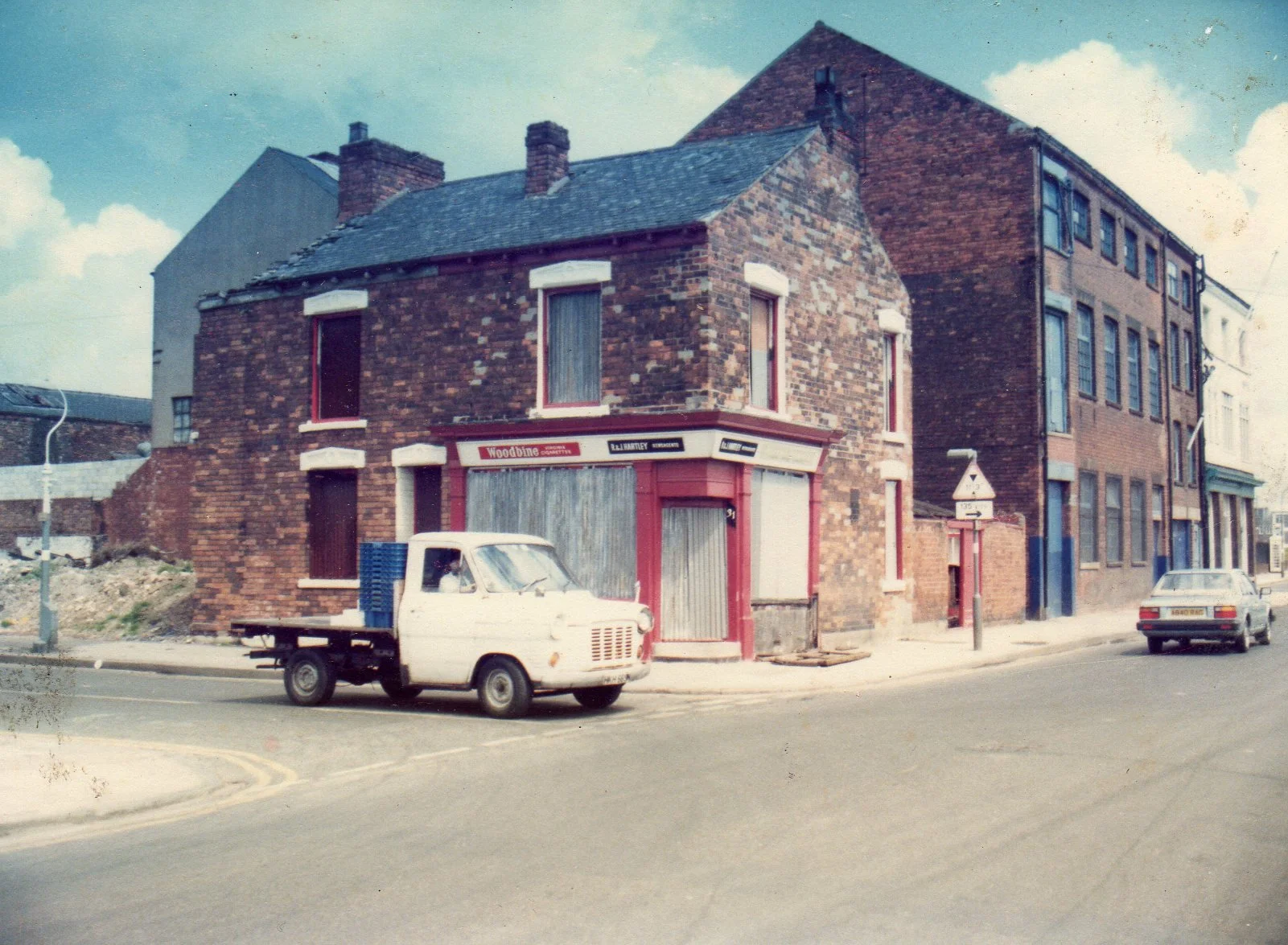
MOMENT IN TIME: Subway Street in July 1985. Sam Allon’s firm demolished the terraced housing, pubs and corner shops in the area
Now & Then, a column by Angus Young
New book charts remarkable impact on city of demolition expert Sam Allon
Later this year the long-awaited demolition of the former BHS and Co-op department stores is finally expected to get underway.
The removal of the two adjoining buildings will be the biggest demolition project seen in Hull city centre in nearly 20 years.
Back then, clearing a huge site in Ferensway to pave the way for the St Stephen’s shopping centre and a new home for Hull Truck saw the curtain come down for the final time on the ABC cinema, as well as the old bus station.
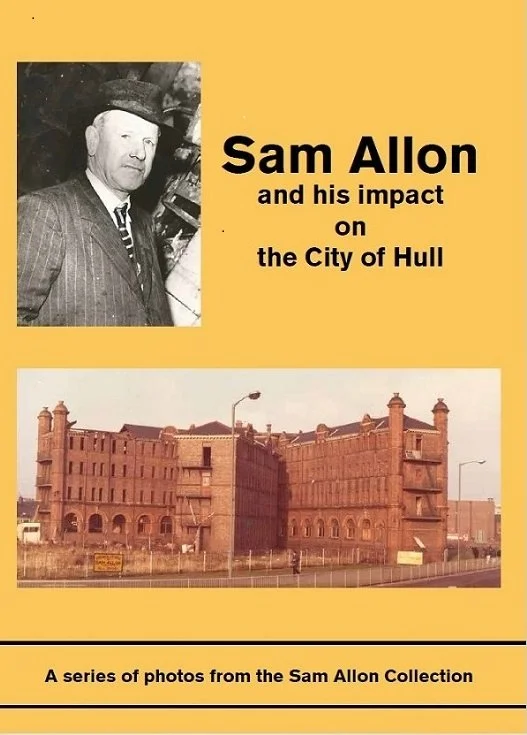
OUT NOW: The cover of the new book
While the landmark Three Ships mosaic will be retained, the looming destruction of the two derelict stores will create the footprint space for the equally-anticipated Albion Square development.
By happy coincidence, knocking down buildings is also the subject of a recently-published new book about Sam Allon and the legacy of the Hull demolition company he founded back in the 1930s.
Until its closure years ago, the firm belonged to a shrinking group of long-standing family-owned companies in Hull bearing the immediately-recognisable name of the individual originally behind it.
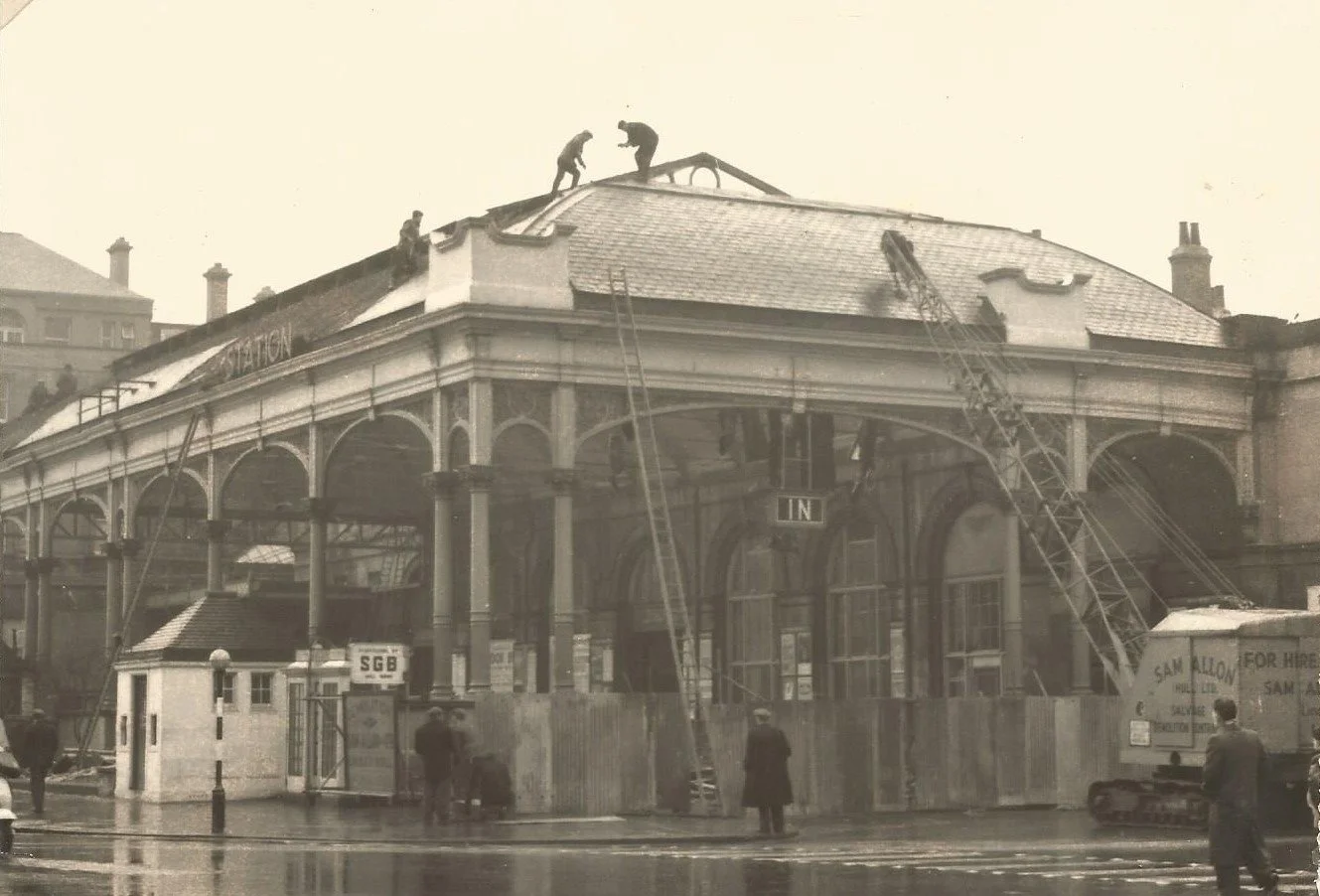
ALL CHANGE: Sam Allon’s team at work on Paragon Station
Think Gilbert Baitson or Henry Hird and you automatically know what type of business is involved. Similarly, Sam Allon’s name became synonymous with demolition.
The book came about when the Carnegie Heritage Centre in Anlaby Road was offered the company’s entire photographic collection by Sam’s son Peter.
The approach came as the company was being wound up in 2022 and, naturally, the centre’s volunteers jumped at the chance of getting their hands on a remarkable pictorial record of a changing city during the second half of the last century.
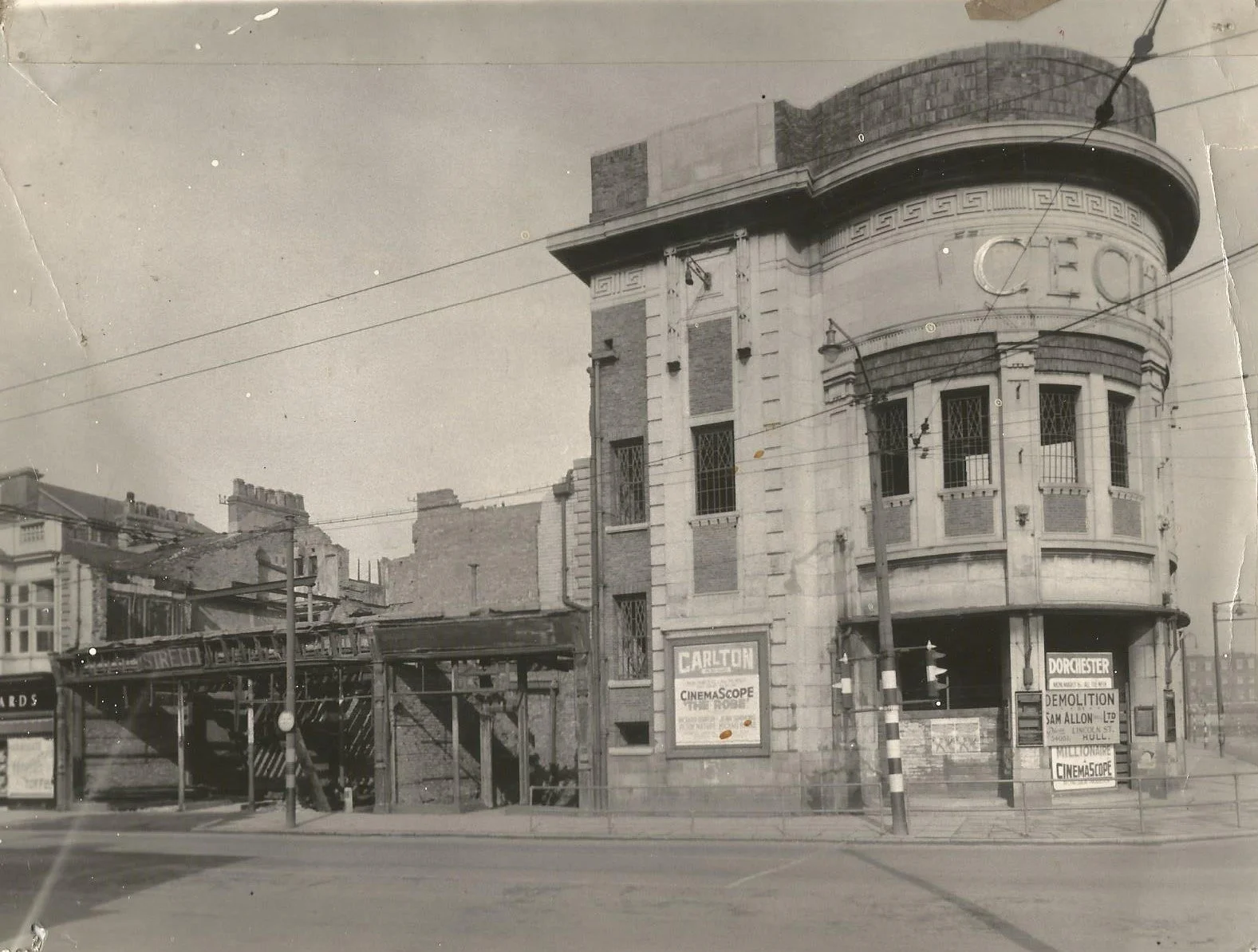
RAPID DEMISE: The company had a nine-month contract to demolish the Cecil cinema – but completed it in three weeks
Carnegie chair Liz Shepherd said: “Everyone agreed that these photographs are unique as they depict buildings in Hull which are no longer there and it seemed that the only way to share them with a wider audience was to put them in a book.”
I know from personal experience that getting the collection into some kind of order must have been a mammoth task.
Several years ago I was given permission to search through bulging files of photographs stuffed into a couple of cabinets at the company’s office in Lincoln Street as part of a news story I was researching.
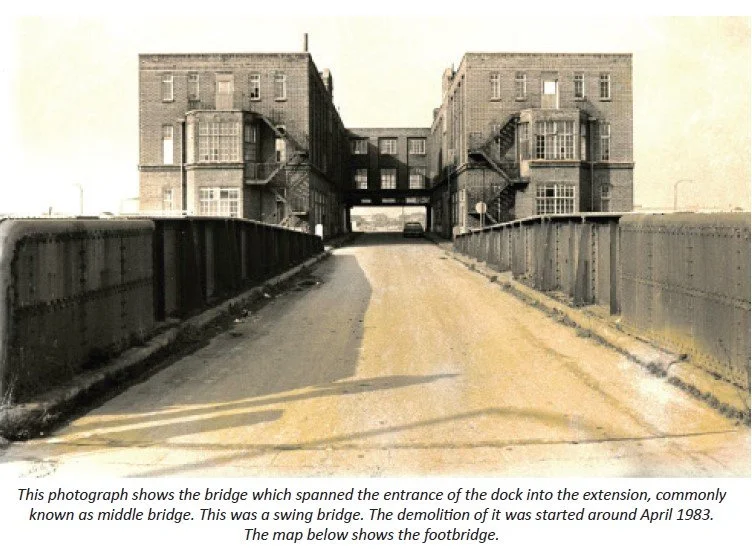
GONE: The old swing bridge at St Andrew’s Dock
It was a bit like trying to find a needle in a haystack as hardly any of the paper photographs were captioned or even dated.
The job of making sense of them all for the book fell to centre volunteer David Ostler who, with the help of contributions by local historians Rob Hayward and Rob Barnard from their collections, painstakingly pieced the company’s story together.
“The identification of the photographs was almost impossible with no dates, no information and no landmarks to go by which was quite a headache at times,” said David.
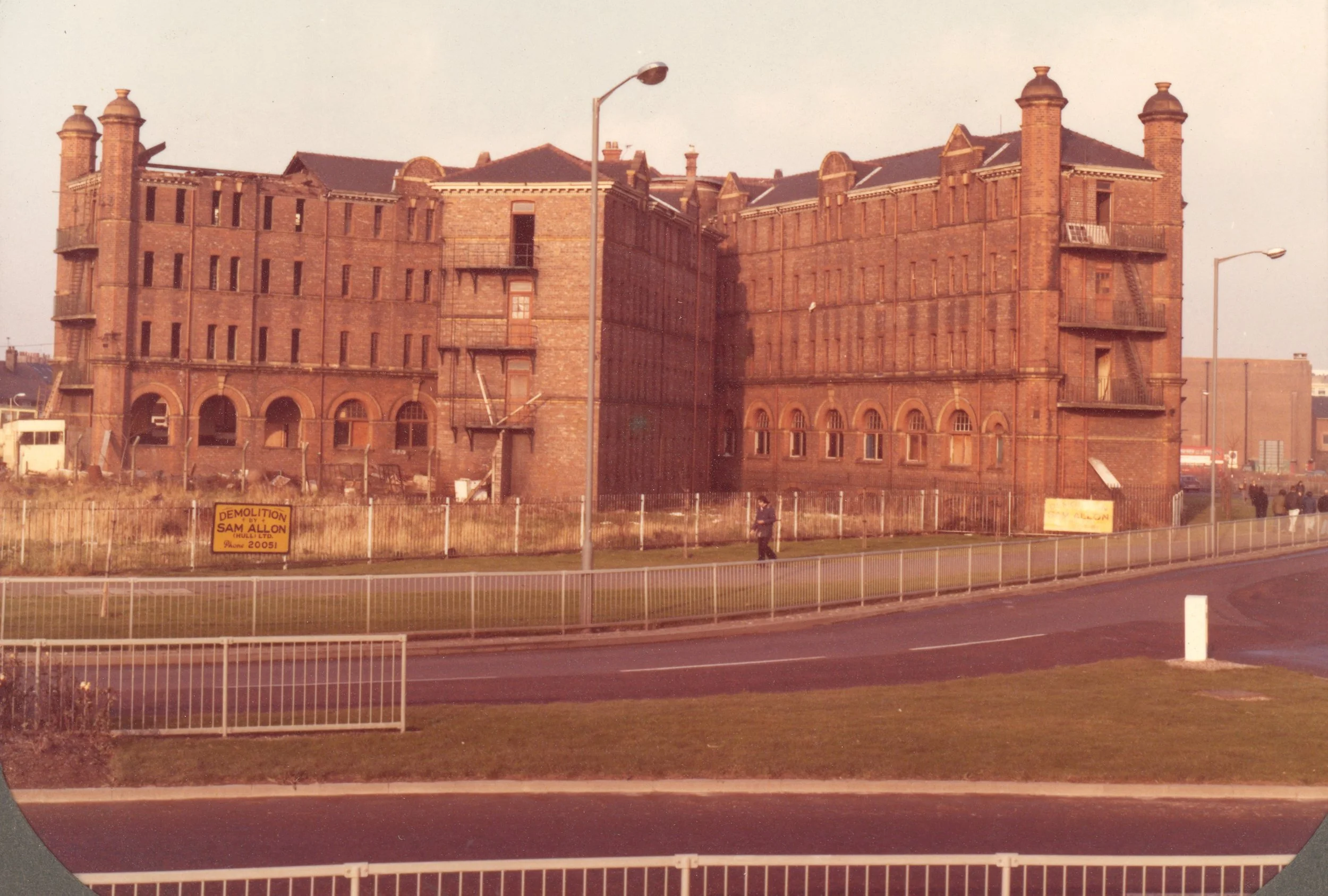
FORMER LANDMARK: The Salvation Army hostel William Booth House
“Yet it has been an intriguing insight into what the company actually did and how they helped the progress of the city, especially post-war with the removal of bomb-damaged buildings. It was a real trip down memory lane.
“We tried to be as accurate as possible in sorting and placing the photographs correctly but it has been difficult.
“The collection is vast and I would like to believe that at some point in the future we could view all of it and compile further information about our landscape, its history and the famous companies that are no longer with us.”
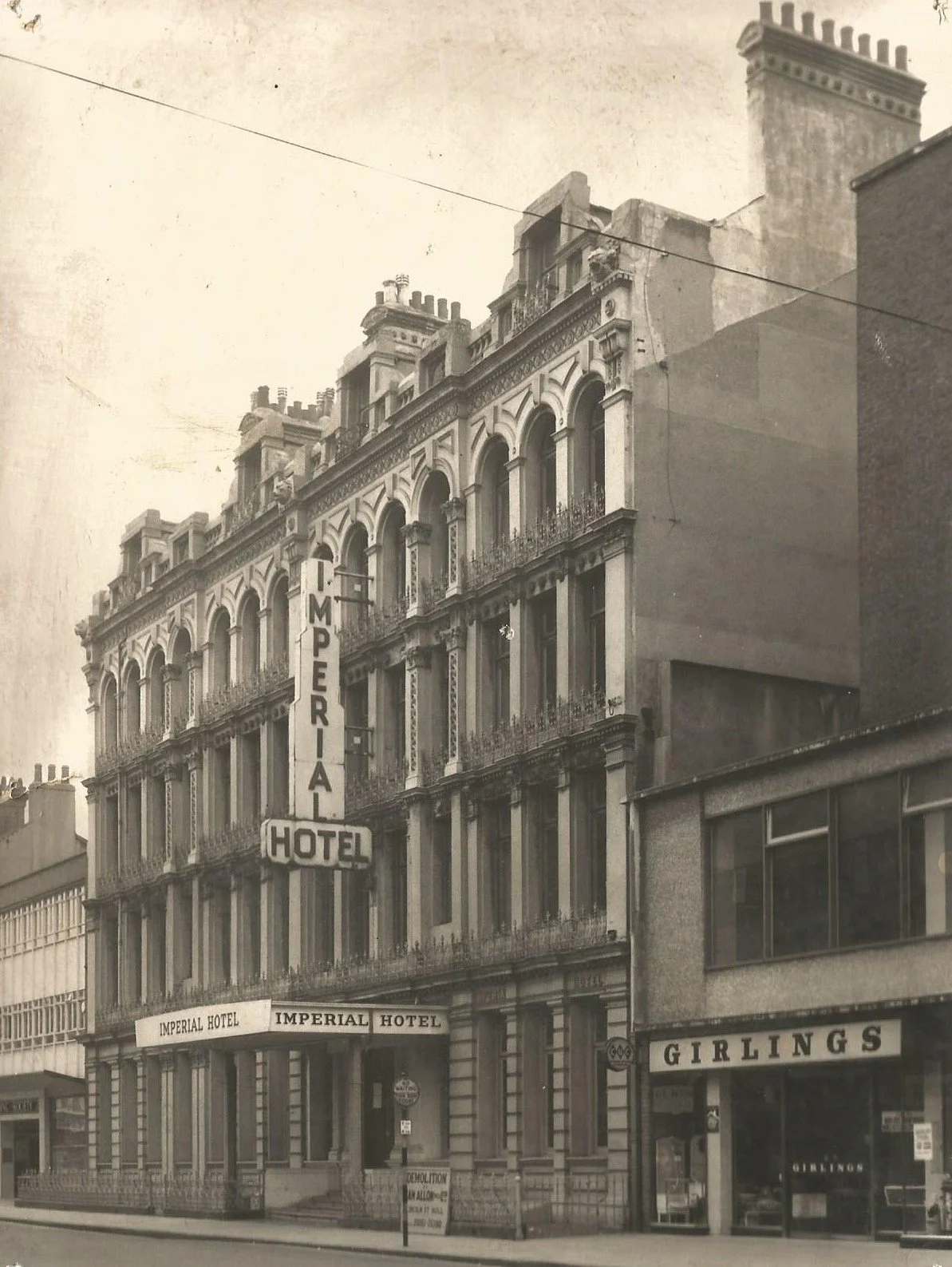
CHECKING OUT: The Imperial Hotel in Paragon Street
Born in Hull in 1903, Sam Allon’s first job was a steward in the Merchant Navy but he soon returned to dry land to work in the city’s Old Town, where he sold fruit from a hired handcart.
The venture wasn’t a great success but his next move was – working for a local company moving bricks from King George Dock to Priory Road by horse-drawn cart.
He later got involved in taking building materials to Queens Dock during its reconstruction, and in 1935 he acquired premises in Lincoln Street with stabling for up to 20 Clydesdale horses and carts as part of a flourishing haulage business.
During the Second World War his horse and carts were used to clear rubble from bomb sites across Hull, while at night Sam manned a searchlight station in Sutton trying to pick out enemy aircraft.
When the war ended, the demolition of damaged buildings provided a constant flow of work. Most of the ruined structures were taken apart by hand and nearly all of the removed materials were taken back to Sam’s yard, stored and later sold.
Eventually, the horses and carts were placed by machinery and the company prided itself on safe and speedy demolition work.
In 1954 the company was awarded a nine-month construct to demolish the original Cecil cinema at the junction of Ferensway and Anlaby Road but managed to complete the job in just three weeks, taking out a newspaper advert afterwards to highlight the achievement.
The book features an extensive portfolio of buildings and structures tackled by the firm over the years, including a collection of churches, hospitals, schools and dockside warehouses.
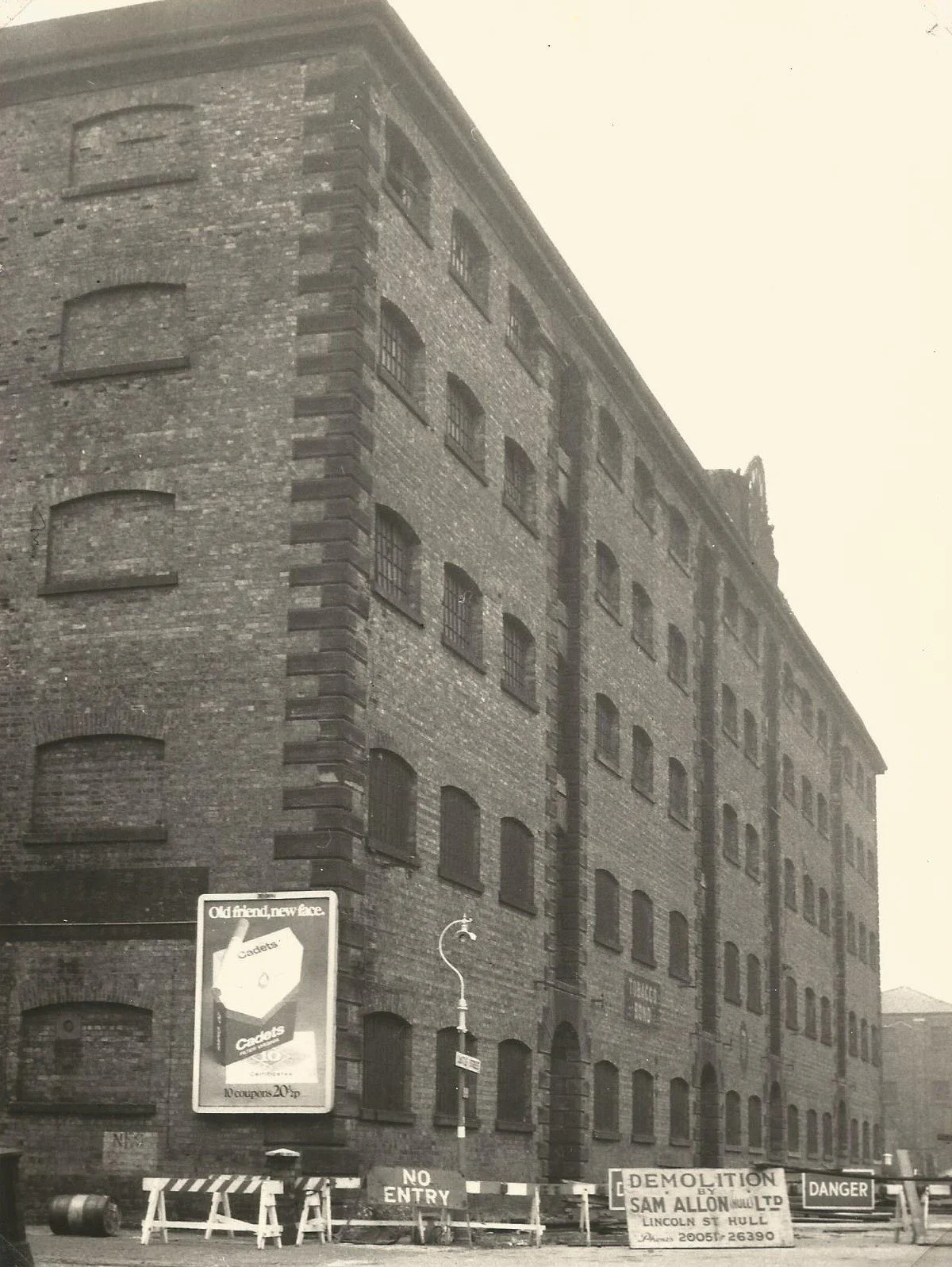
COMING DOWN: A warehouse that overlooked the south side of Princes Dock
It also includes the amazing story of how an unexploded German bomb was found embedded in a false roof at the company’s original office in 1975 shortly after staff had moved to a new premises nearby.
The missile was discovered by one of Sam’s workmen who carried it downstairs to show his colleagues, unaware it was still live.
“I’m glad we found out about it but what you don’t know you don’t worry about,” said Sam after an Army bomb disposal squad had safely removed it from the site.
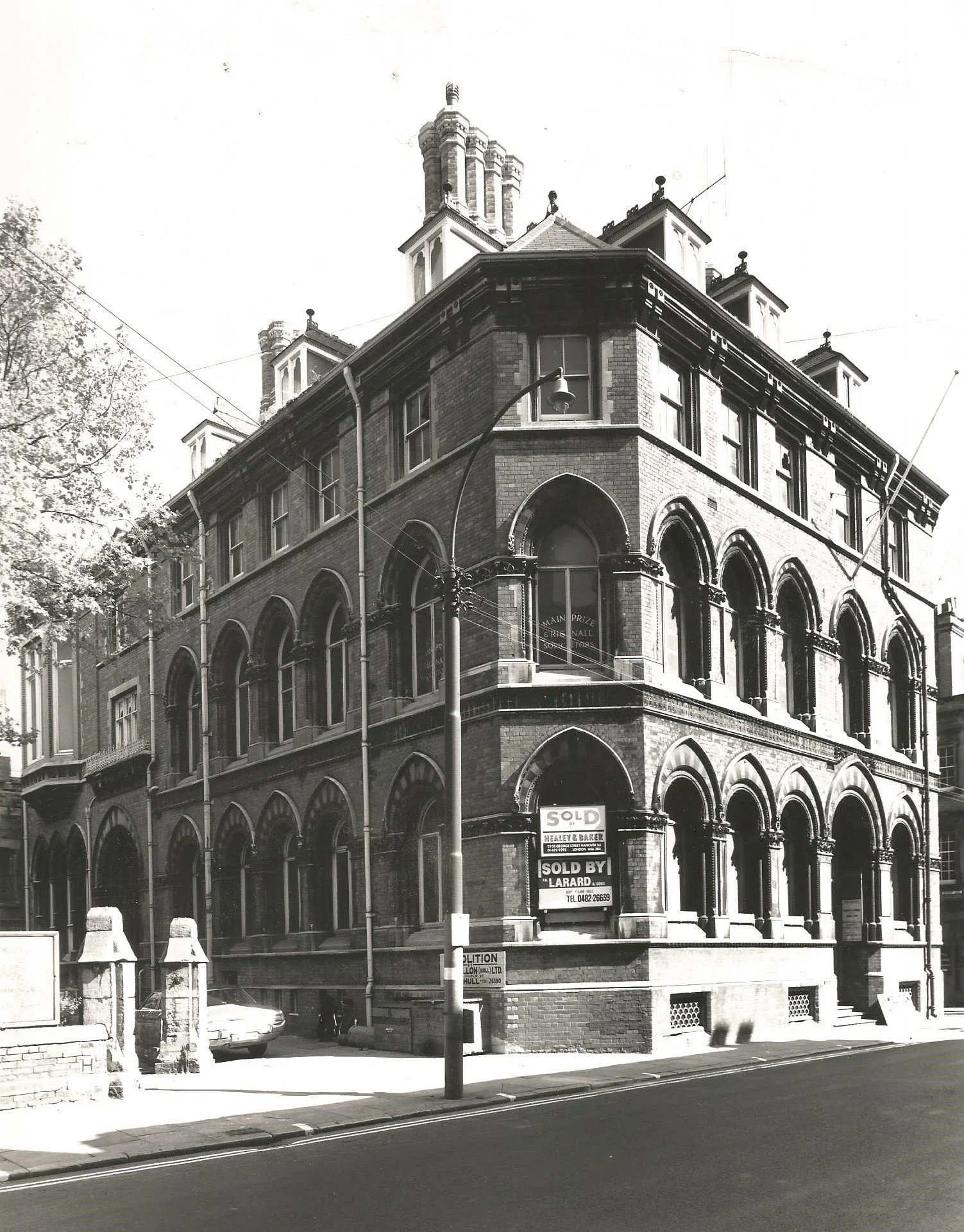
GRAND DESIGN: The Yorkshire Insurance building in Lowgate
Sam died in 1991 and the business was carried on by his son Peter and, later, his grandson John, diversifying into skip hire and recycling construction waste.
Back at Carnegie, David Ostler believes the book is a fitting tribute to the three generations of Allons who made the company a household name in Hull.
“When Sam founded the company he would have wanted it to be successful and prosper,” he said.
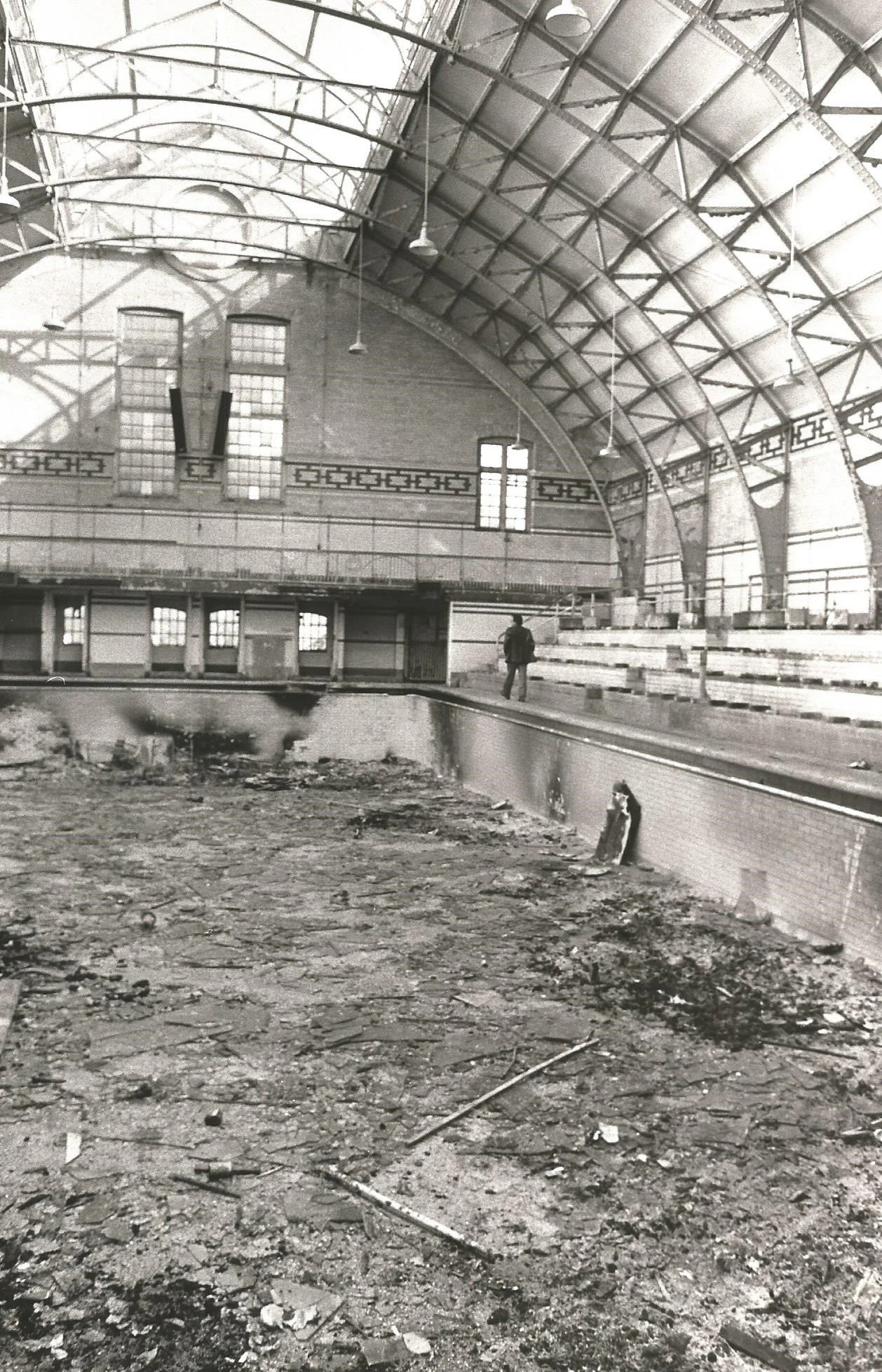
NO BATHING: Madeley Street Baths
“I think we have seen that when local people become successful it makes us as a people more aware and pleased about their achievements.
“As for Peter and his son, they can look back on their lives and feel that sense of achievement started by Sam and then continued into the 21st century.”
Sam Allon and his impact on the city of Hull is published by the Carnegie Heritage Centre and is available to buy from there, priced £25.