
The call of the wild: Connecting young people with nature
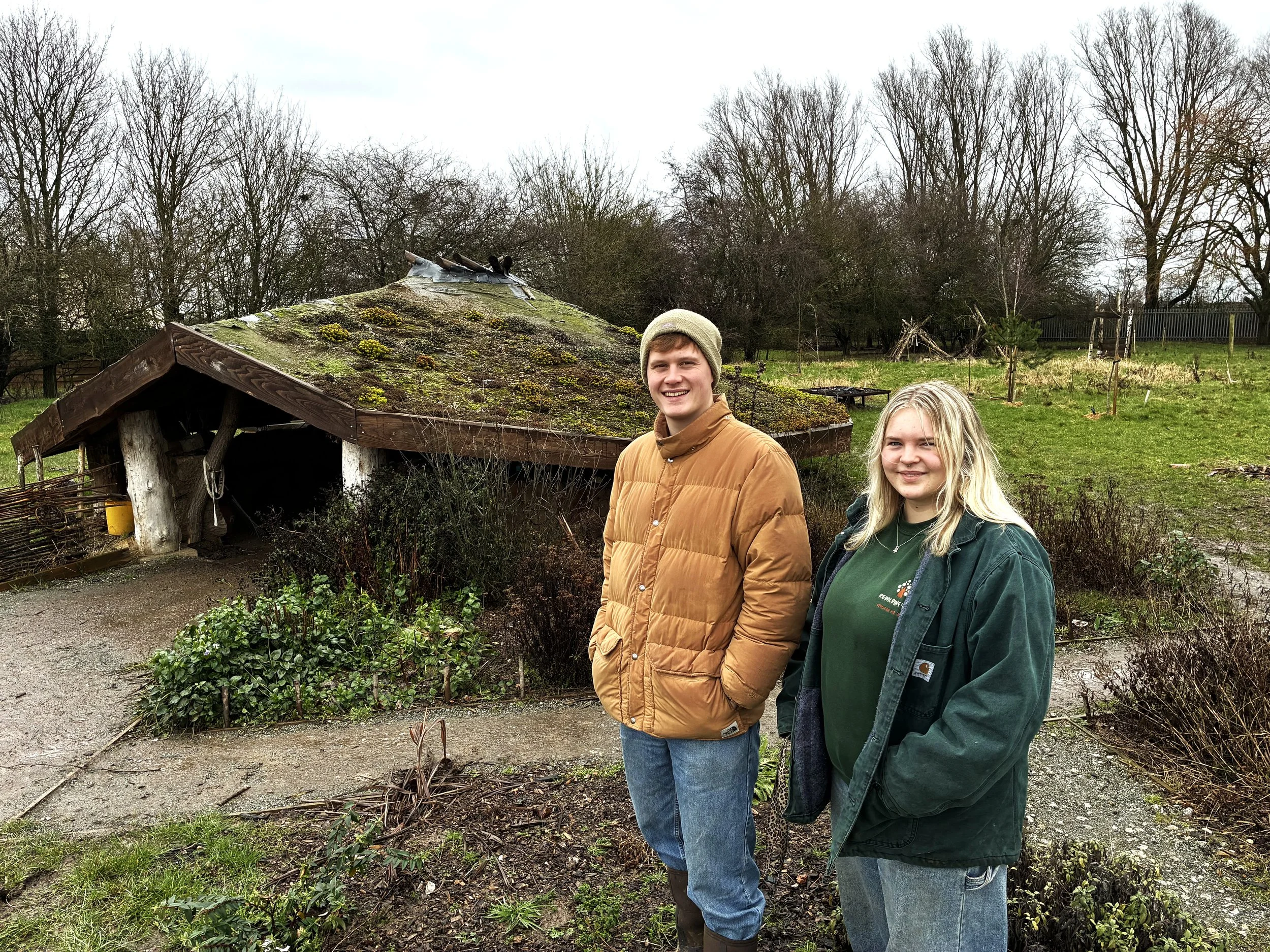
HOME FROM HOME: Ben Harris and Ruby East outside the Rewilding Youth roundhouse

Chewing the Fat, a column by Phil Ascough
No phones, no vapes. Just solitude and silence, the themes of a new film exploring the work of an organisation set up to help urban youth connect with the joys of nature.
The participants are clearly reluctant at first, and shocked to find they would be denied access during their time in a forest camp to possessions which they’ve always seen as life’s essentials rather than accessories.
But in no time at all they tell how they feel so much better for the absence of ringtones and traffic noise. Much of the narrative takes the form of a poem woven from the words of the young people:
“I’ve seen the sun in all its glory.
“No one can own nature, you write your own story.”
Stew Baxter, who made the film with colleagues at Hinterland Creative, said: “What became clear was the shift that happens when young people are given time, permission, and support to explore nature. You could see moments of calm, curiosity, confidence, and connection emerging in small but meaningful ways.”

There’s a difference between isolation, as enforced on so many people by the pandemic which inspired the foundation of Rewilding Youth, and solitude, bringing the benefits which come from uninterrupted freedom, space and peace.
Dr Charlotte Dean, the programme director, is a qualified youth worker, teacher and assessor with vast experience in working with young people who are disadvantaged or disengaged, and who may have had little opportunity to spend time outdoors in the natural world.
She specialises in drawing on wild therapy techniques and nature-based arts activities to connect and engage young people with the wild spaces around them.
Les Moss, the programme manager, is a qualified youth worker with a degree in Youth and Community Studies. With a background in sports development, Les was responsible for coaching a number of youth rugby league teams as well as delivering the first Street Games and Doorstep Sports to a wide range of different groups of young people across the city of Hull from 2002 onwards.
A Community Interest Company, Rewilding Youth has around ten staff and varying numbers of volunteers who help with running bushcraft activities such as foraging, den-making, fire-building, storytelling, circle time and natural crafts. There are also wild camps and walks, and it all adds up to valuable learning opportunities.
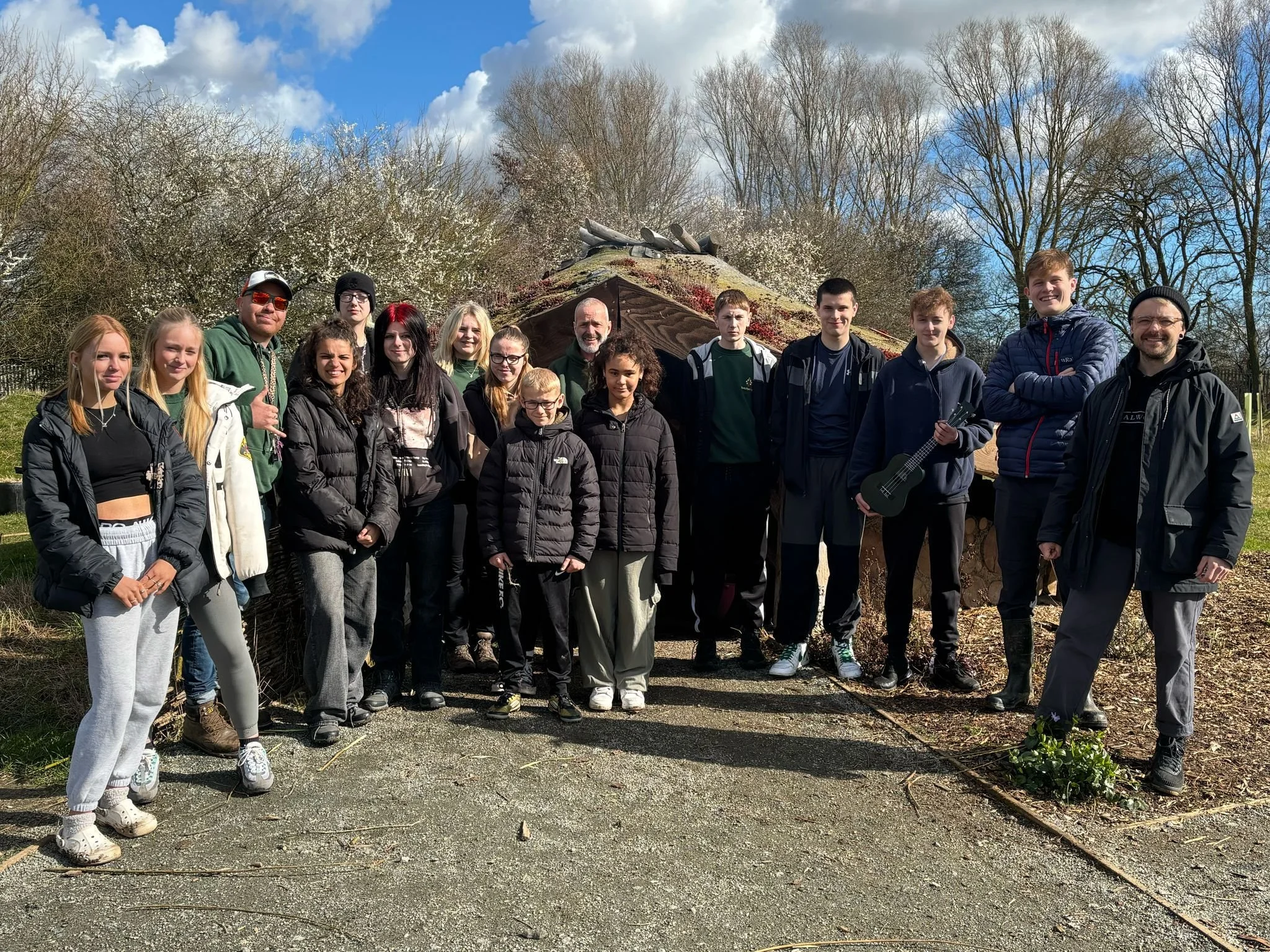
BACK TO NATURE: A Rewilding Youth group outside the roundhouse with filmmaker Stew Baxter on the right
Ruby East, a youth environment education worker, and Ben Harris, research and project development co-ordinator, talk about the Level 1 and Level 2 qualifications in Nature Connection and Wellbeing which are available at Rewilding Youth – the first qualifications of their kind in the UK.
With the programme only five years old and the Wild Child, Wild School and Wild College sessions aimed at people from babies to high school age, it’s too early to tell whether Rewilding Youth will inspire future generations of workers in education and agriculture, but it’s getting there.
One of the current team was introduced as a parent, taking her child to a Wild Child event.
Ruby said: “She loved it and spent a lot of time here talking about the benefits. She started volunteering and now works here.”
Ben added: “We get a lot of people from the local area and we work right across the city and parts of the East Riding. We are very spread out and even though we are only a small team we manage to be everywhere, but most of it is based here.”
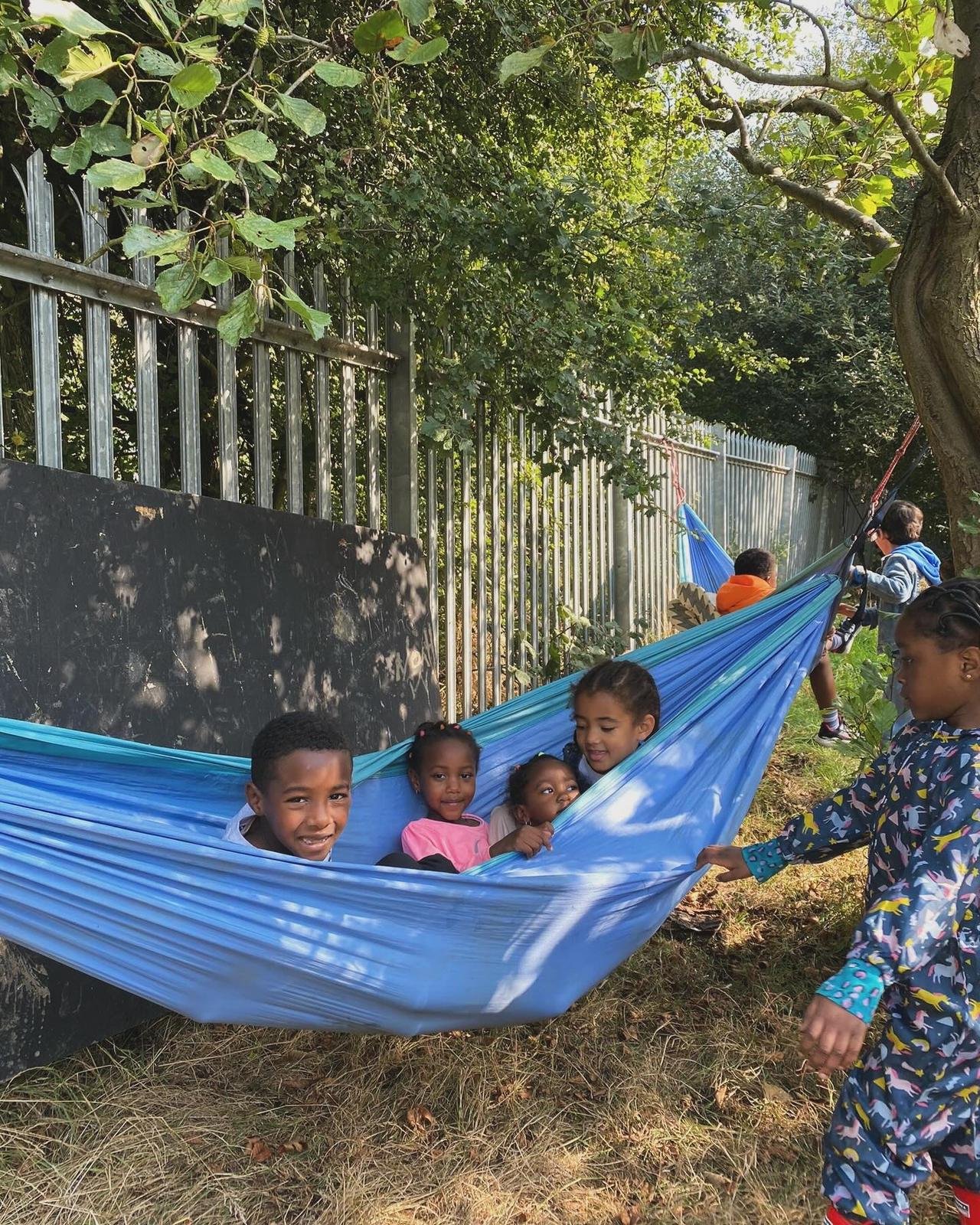
HAVING FUN: Trying out a hammock
Money comes primarily from the lottery and from partners who fund specific projects. The Office of the Police and Crime Commissioner chose Rewilding Youth to deliver a project in Bridlington and other supporters include Hull Maritime and the National Citizenship Service.
Much of the work is about exploring urban green spaces on their doorstep. Hinterland Creative’s film shows some tower blocks just down the road from the East Hull Community Farm where Rewilding Hull rent office space – and right next to fields and hedges which can easily be missed.
Ruby said: “We find things that can engage you outdoors without having all the tools and props. We take the young people to explore the green spaces that are in and around our city.”
On a day of foul weather, at about the time that Cornwall was reporting 50 successive days of rain, I was tempted take Ben and Ruby at their word about the facilities which Rewilding Youth have developed at “the top”.
But, wearing a borrowed pair of wellies, I joined them in squelching the hundred yards or so down the sodden track, nodding to the sheep in the adjacent field, to take a look at their roundhouse – a shelter constructed from natural materials and ventilated so the groups can sit inside round a camp fire.
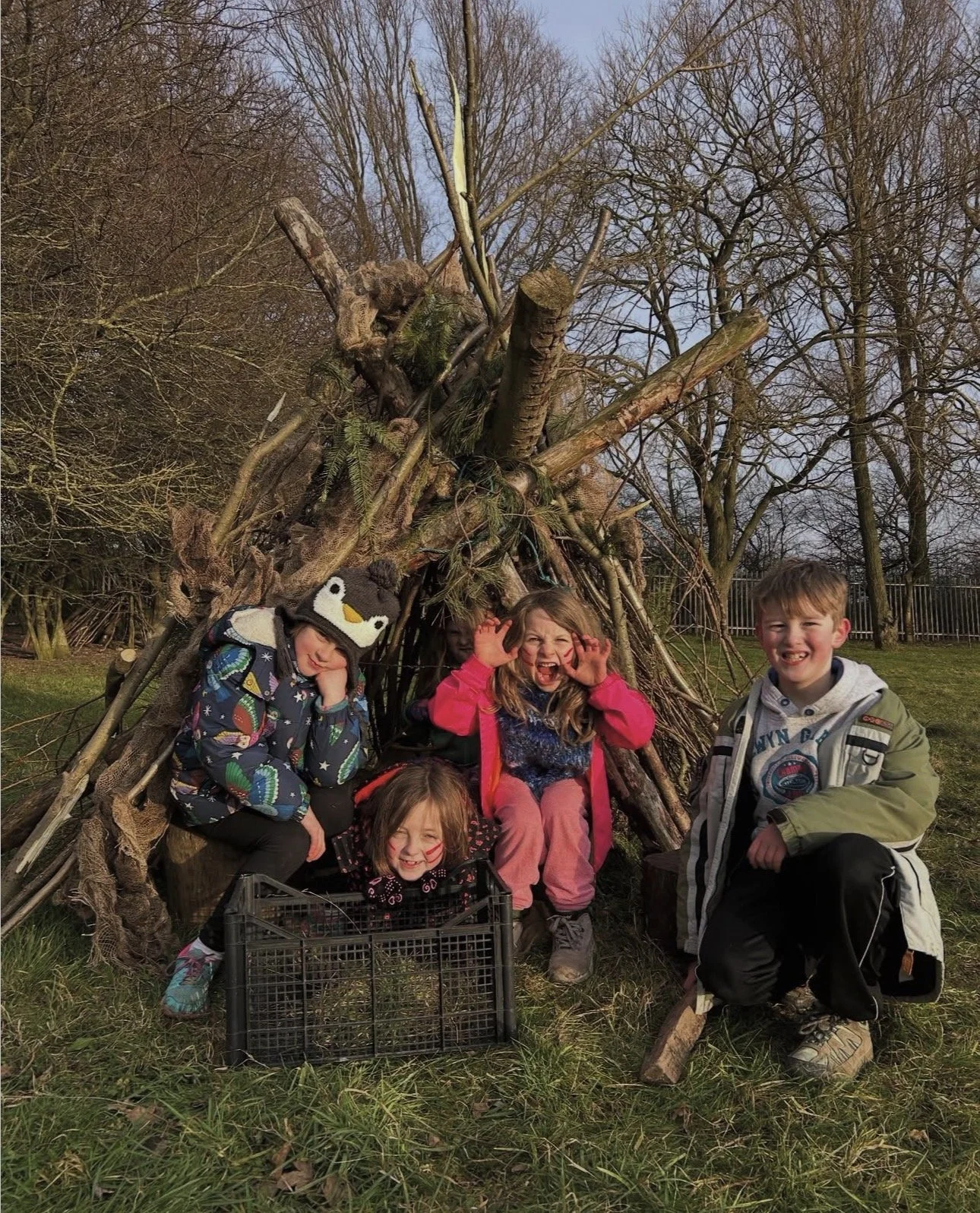
BASE CAMP: A naturally-made shelter
There’s also a canopy classroom, compost toilets, dens and forts and a display of picture boards showing short stories about the natural environment and some of its creeping, crawling and flying inhabitants.
The film is part of the research process. Hinterland Creative joined the Rewilding Youth leaders and young people at three wild camps in Aysgarth Falls in the Yorkshire Dales.
Ben said: “We set everything up to research what was going on. What were the barriers preventing connection to nature in Hull and what were the benefits of nature connection for young people?
Ruby added: “We got funding for the film and we designed it from the bottom up to record the progress. Stew got it immediately. He understood our process and he was great in terms of getting young people involved directly in the process so that was good as well.”
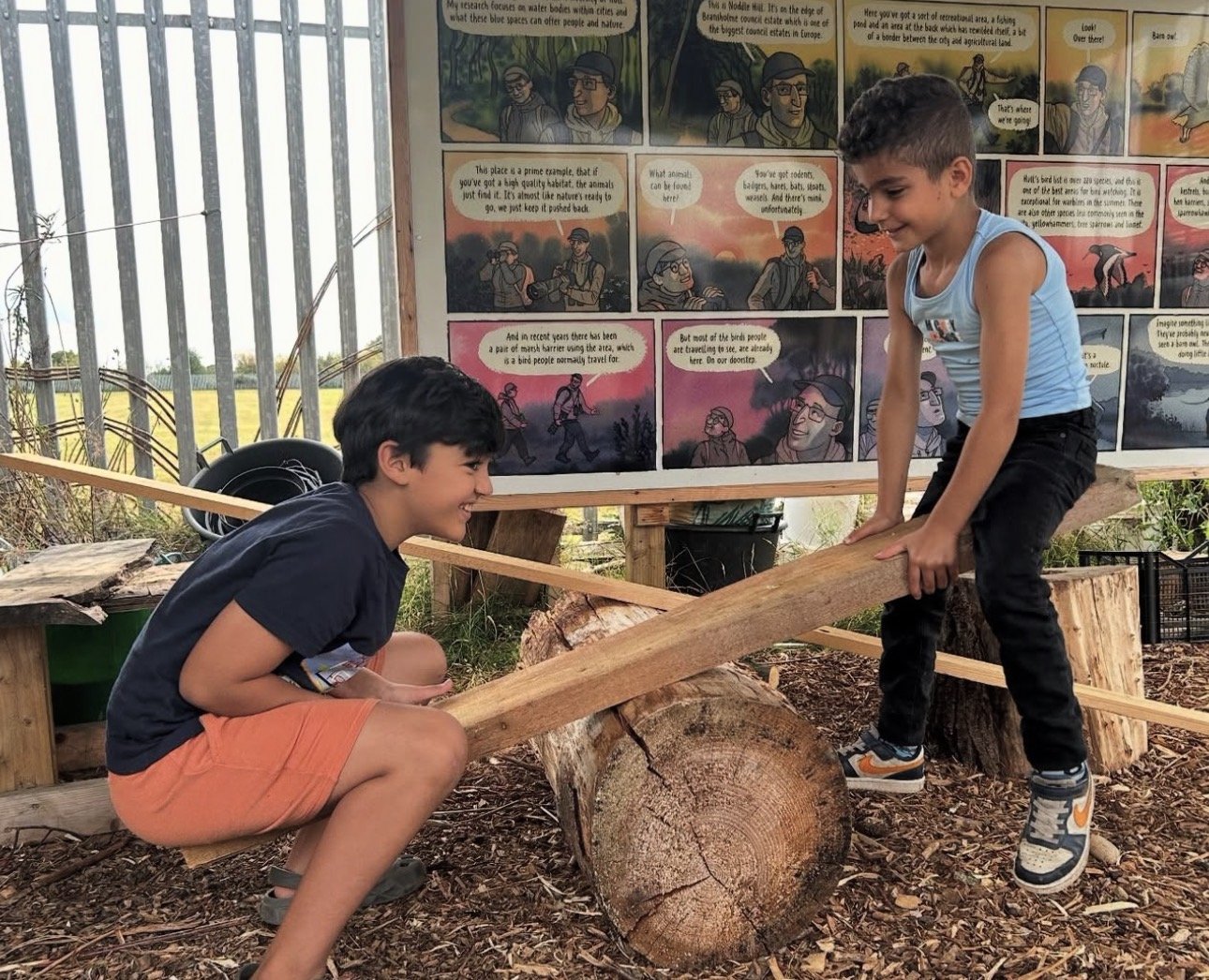
BALANCING ACT: Enjoying a see-saw
It’s built around informal conversations with the young people, with their voices and perspectives directing the narrative rather than being interpreted from the outside.
Alongside the interviews, Hinterland Creative used found sounds recorded in the environments the group visited to help ground the film in those spaces and reflect the sensory experience of being there.
“It gets you away from the city life and stress”.
“There’s usually a lot of drama going on around our area”.
The plan now is to show the film at a public premiere for the young people and their families, and to invite businesses and other potential sponsors who can help Rewilding Youth reach more young people.
Stew has no doubt about the merits. He said: “What stood out immediately was the openness and trust within the group. Through those conversations, the barriers they described felt very real – safety concerns, limited access to green spaces, and the constant pull of digital life.”
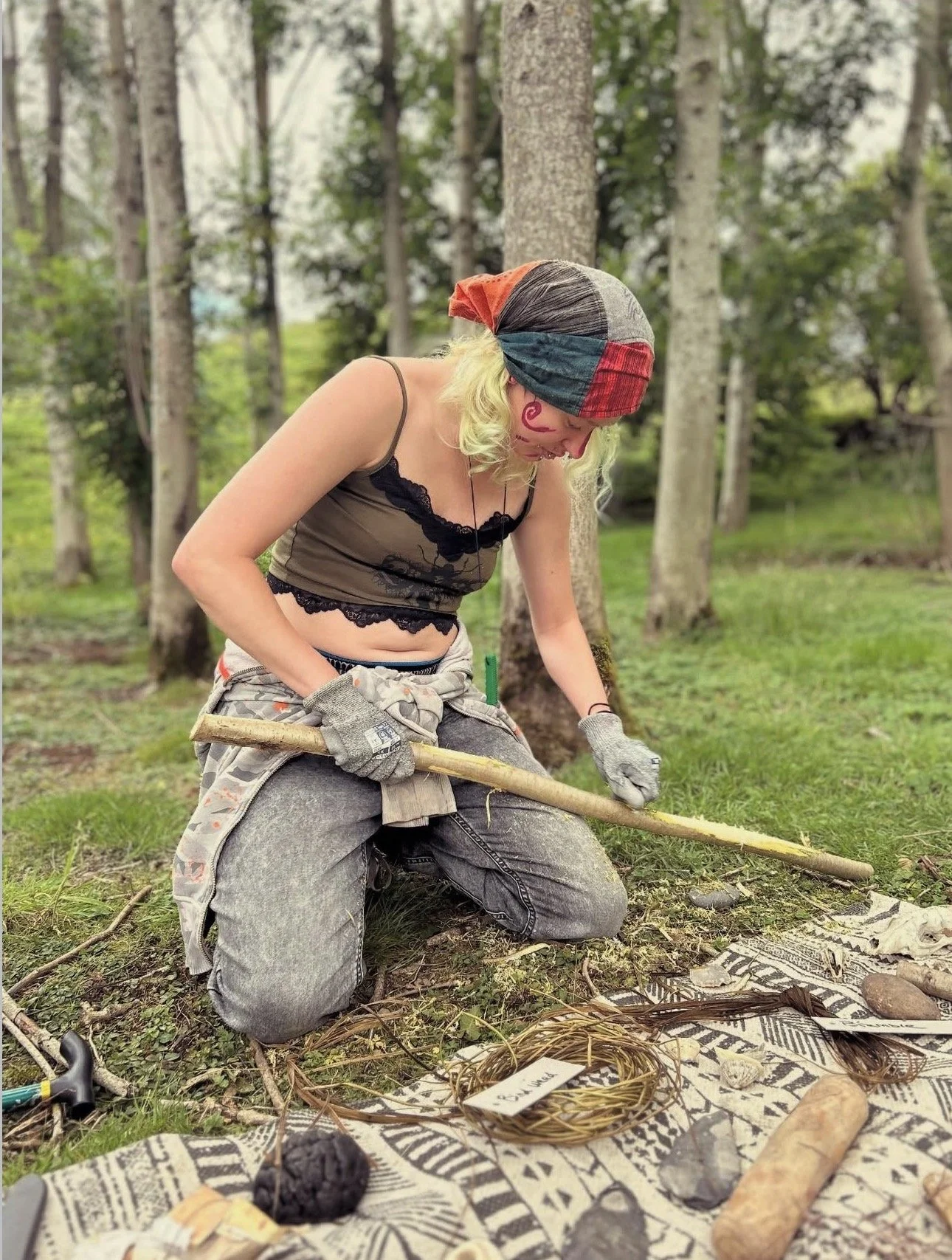
IN THE GROOVE: Shaping a stick
“Rewilding Youth addresses inequalities that often go unnoticed. Access to nature isn’t evenly distributed, and for many young people in urban or disadvantaged areas it can feel distant or inaccessible.
“The organisation is actively creating pathways into those experiences while also helping young people recognise nature within their own neighbourhoods and daily lives.”
“It basically just turns off, like, all of like, my problems with like, ADHD just gone. Dyslexia just gone.”
“Instead of being stuck with everything, you get to get away and just be happier.”
Stew added: “For the wider community, including local businesses, supporting work like this has value beyond environmental engagement. It contributes to wellbeing, confidence building, social connection, and a stronger sense of place. Investment, partnerships, or even simple awareness can help sustain opportunities for young people to access spaces and experiences that might otherwise remain out of reach.
“The film ultimately exists as a platform for the young people’s voices and experiences, and I hope it helps highlight both the challenges they face and the quiet but significant impact of organisations like Rewilding Youth. Personally, it was a privilege to document the process.”