
Queen’s Gardens to partially reopen after major refurb
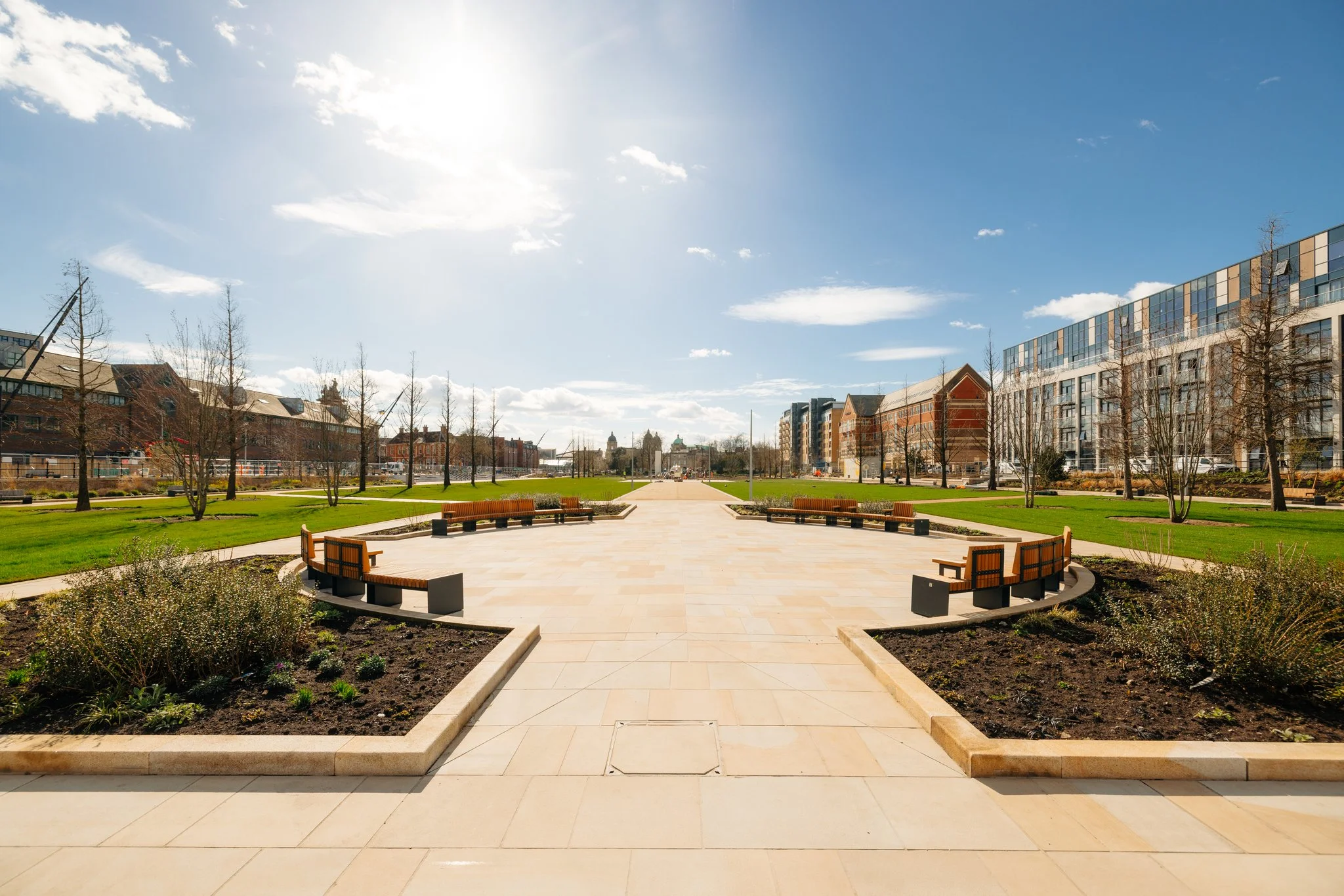
TRANQUIL: A view from the redesigned Peace Garden. Pictures by Tom Arran
By Simon Bristow, Co-Editor
The transformation of one of the city’s most important and cherished green spaces is nearing completion with the next phase set to open on Friday.
For the first time visitors to Queen’s Gardens will see new artworks inspired by Hull’s maritime past, new rain gardens and a redeveloped Peace Garden.
The revitalised space now features enhanced landscaping and planting, improved accessibility, and a more welcoming environment for relaxation, recreation, and large‑scale events.
It will also form a vital link in the flagship Hull Maritime project, lying between the Maritime Museum and North End Shipyard, which has a new state-of-the-art visitor centre and will be the new home of historic trawler Arctic Corsair.
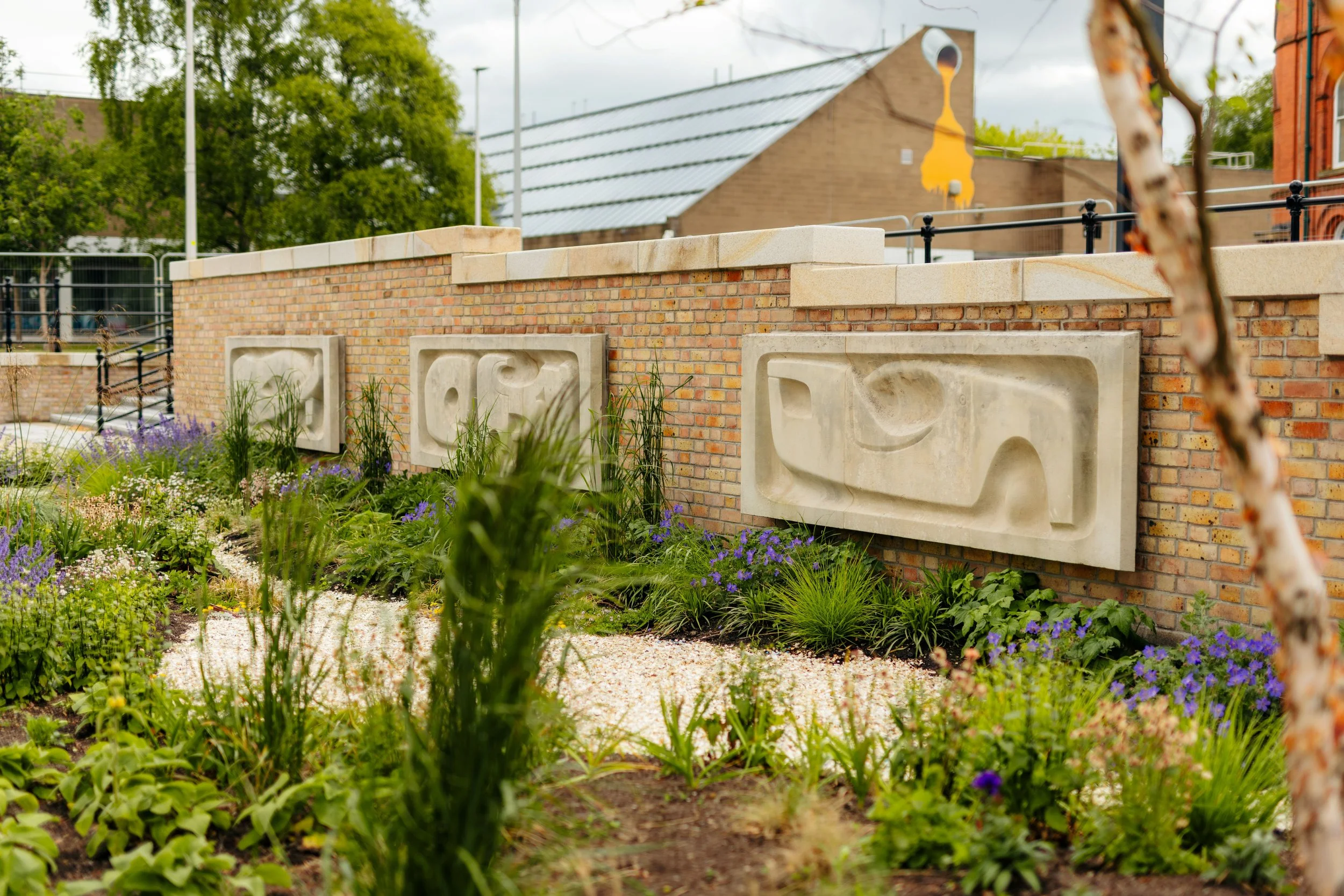
NEW FEATURE: The Rain Gardens
The £21m Queen’s Gardens project has delivered hundreds of newly planted trees and a reimagined landscape designed to thrive across all seasons and significantly improve biodiversity.
Rain gardens have been introduced to improve surface water management, while new steps, ramps, and pathways provide enhanced accessibility.
The gardens’ boundary walls have been rebuilt, new street furniture has been installed and enhanced infrastructure has been built to support large‑scale events.
Alongside these new features a temporary outdoor exhibition will be on display until Sunday, June 1. It will offer residents and visitors the chance to learn more about the historic gardens and the scale of work involved in the refurbishment.
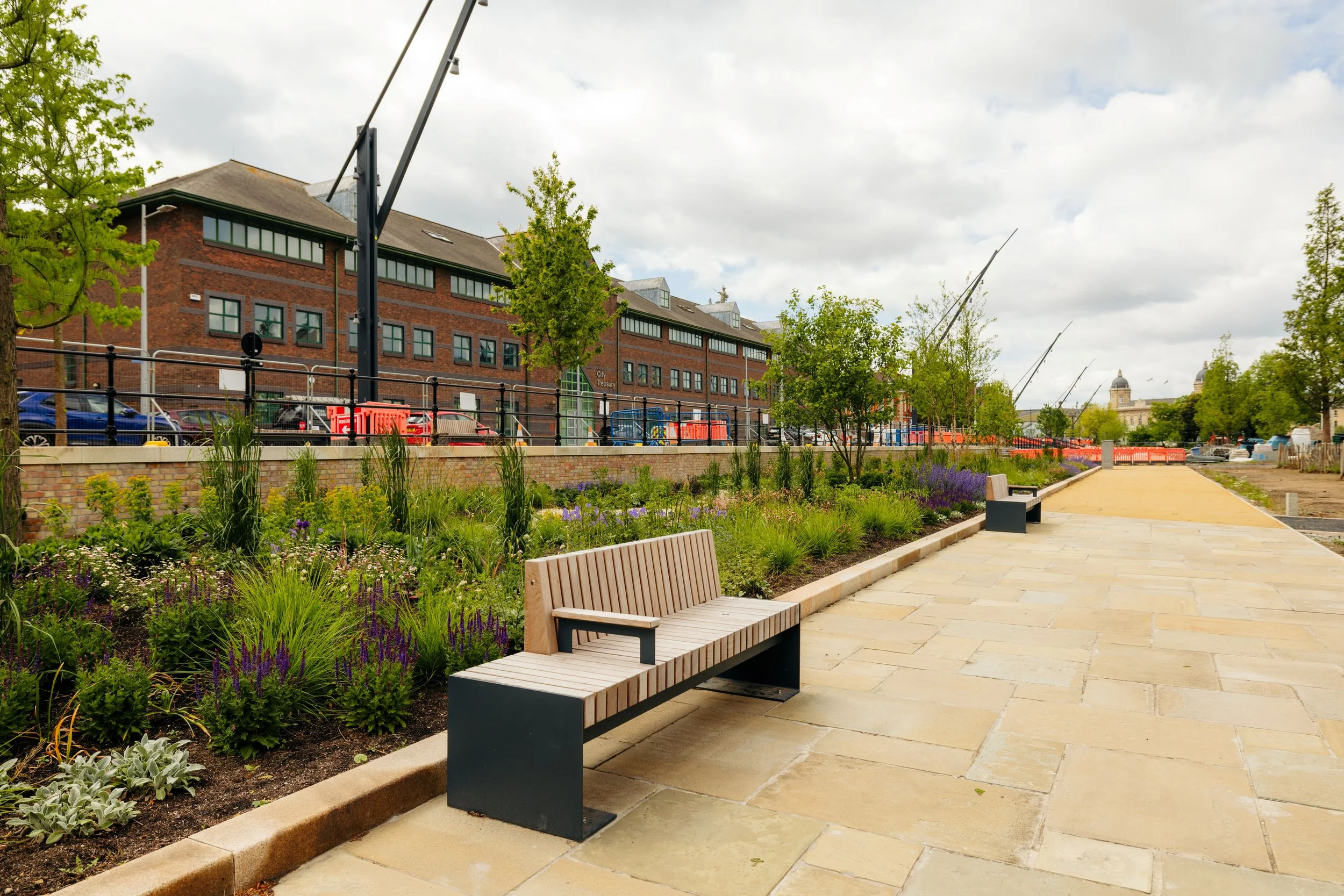
STAY A WHILE: New seating next to the Rain Gardens
Gillian Osgerby, programme director for Hull Maritime at Hull City Council, said: “This transformation is about more than new planting and improved access. Parts of the gardens had become unusable and the historic dock walls had become structurally unsafe.
“We’ve not only restored the gardens but strengthened the foundations for their future ensuring they remain resilient, sustainable, and welcoming for generations to come.
“We recognise that this is a significant investment, but it has futureproofed one of the city centre’s most important green spaces that means so much to the people of Hull. By combining thoughtful landscape design, biodiversity enhancements, and long-term infrastructure upgrades, we’ve created a space that will continue to grow, adapt, and serve the city well into the future.
“We’re delighted residents can now enjoy some of the gardens once again and see the benefits of this investment.”
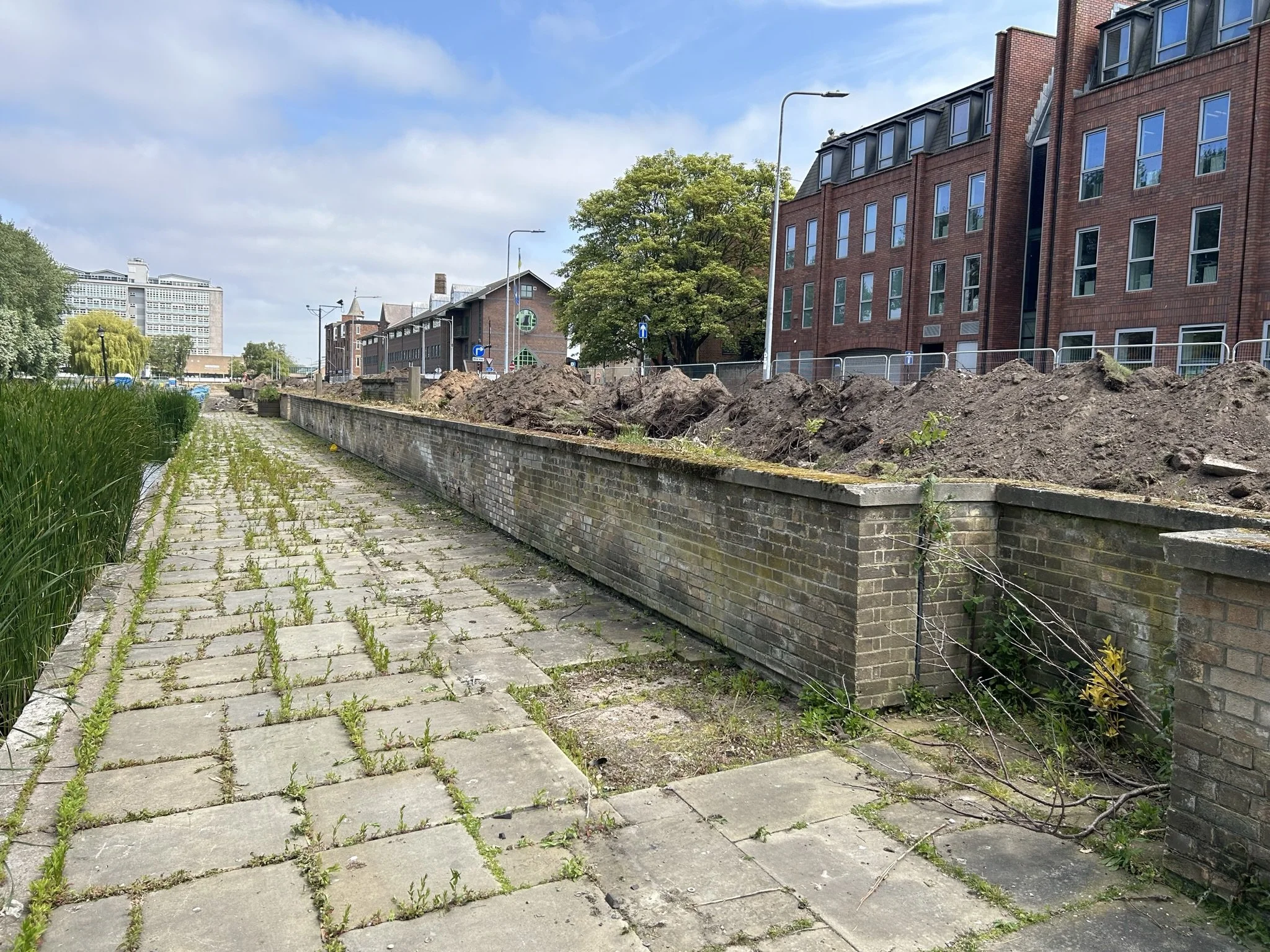
DISREPAIR: Before the refurbishment
Ros Southern, director of Southern Green landscape architects, said: “As a landscape design practice working across the UK, we find it incredibly rare to work with a city that recognises how cherished and important their parks are.
“Hull has invested the time and resource that was needed to restore Queen’s Gardens – it’s never easy or cheap with a historic park, and this one is particularly large and complex, with four ponds and fountains, old retaining walls and many steps and ramps due to its sunken design.
“As landscape architects, we have been very conscious that Queen’s Gardens is a living piece of history, dating back to its original function as a dock.
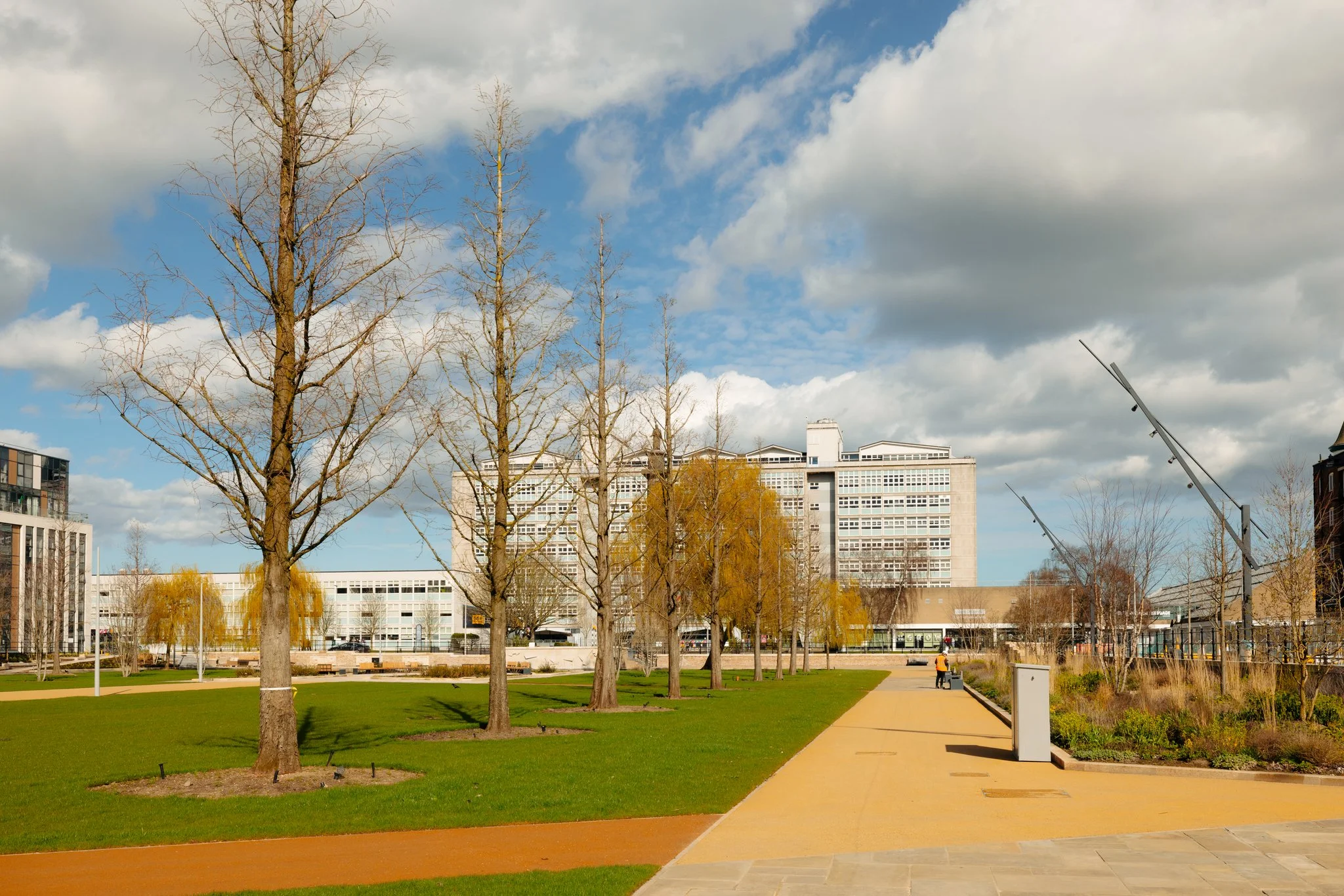
TAKING ROOT: New trees
“We hope that the new design of the park showcases the best elements of its long heritage, along with new elements to add modern features and a fresh inviting appearance.
“However, while the past is important, the gardens is also part of Hull’s present and its future, and the design reflects this with a safer, more open character, smooth accessible steps and ramps, and plenty of spaces for walking, sitting, playing or enjoying events.
“We feel very honoured to have played a part in this team and this incredible project. The new turf and planting are putting down roots, and as the gardens now starts to open we can’t wait to see everyone enjoying Queen’s Gardens once again.”
As part of the regeneration, new art installations by internationally renowned and award‑winning artists Katayoun Dowlatshahi and Heinrich & Palmer have been integrated into the gardens. These include artworks built into new amphitheatre‑style seating, in the central area and maritime‑inspired pieces positioned along the garden’s boundary.
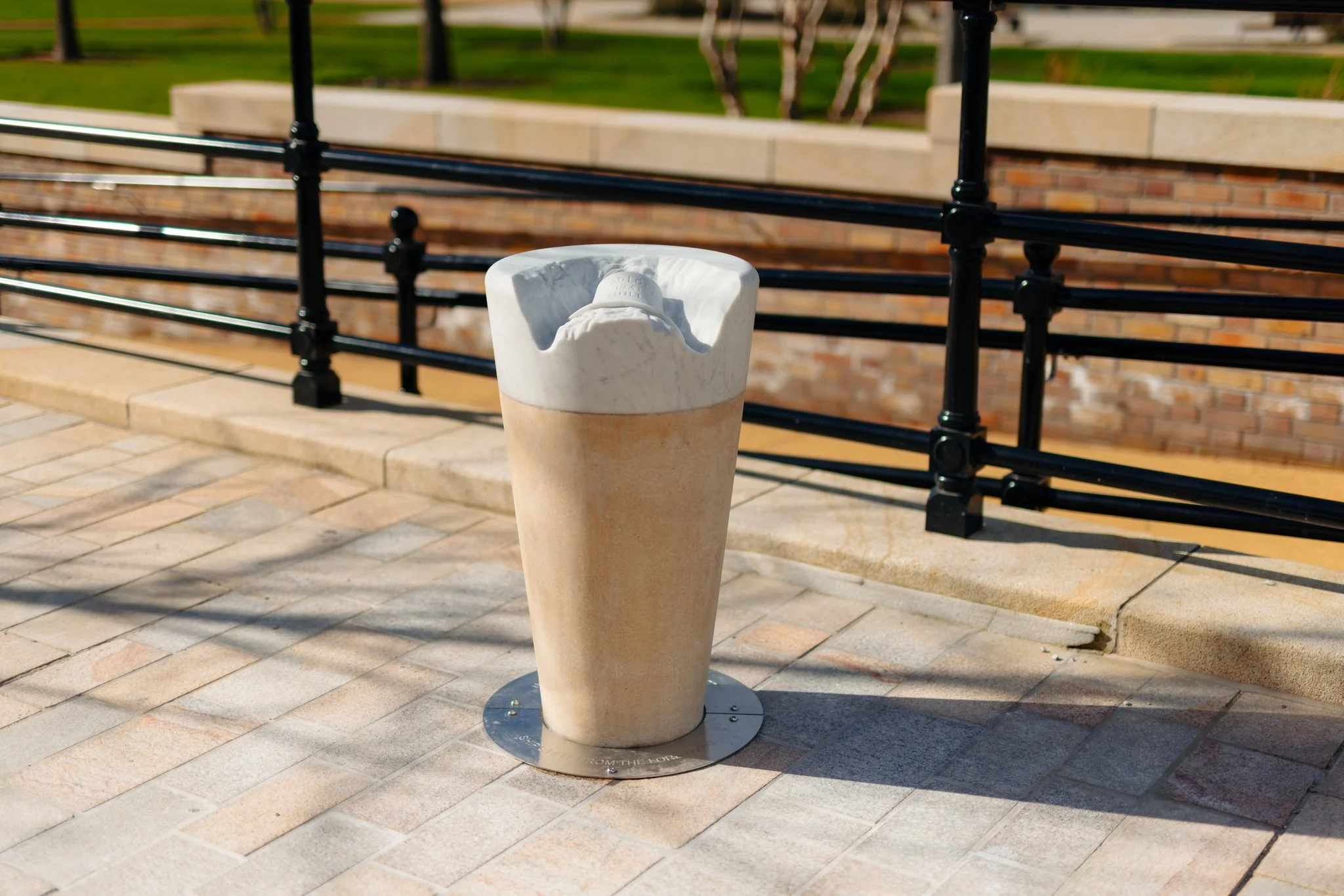
POINT OF INTEREST: New artwork
Permanent information panels have also been introduced to tell the story of the gardens’ unique heritage, from its origins as a shipping dock to its transformation into a much‑loved city centre space.
Gillian Osgerby added: “Queen’s Gardens was the first dock in Hull. Opened in 1778, it was once the bustling Queen’s Dock, the largest dock in the UK at the time, linked to the River Hull and filled with memories for generations. As ship movements moved to deeper docks, it fell silent. In the 1930s it was filled in and reborn as the green space we know today.
“Now, Queen’s Gardens has been transformed again, reimagined and futureproofed while still holding the stories of its past. It remains a place that keeps changing and evolving, but where the memories stay.”
Some areas along the northern boundary have been newly planted and are waiting to establish. To ensure the longevity of the landscaping, these areas will open at the end of May along with the final element of the project – the Rose Bowl area.