
The La’s at The Adelphi: ‘The band I’d waited all my life for’
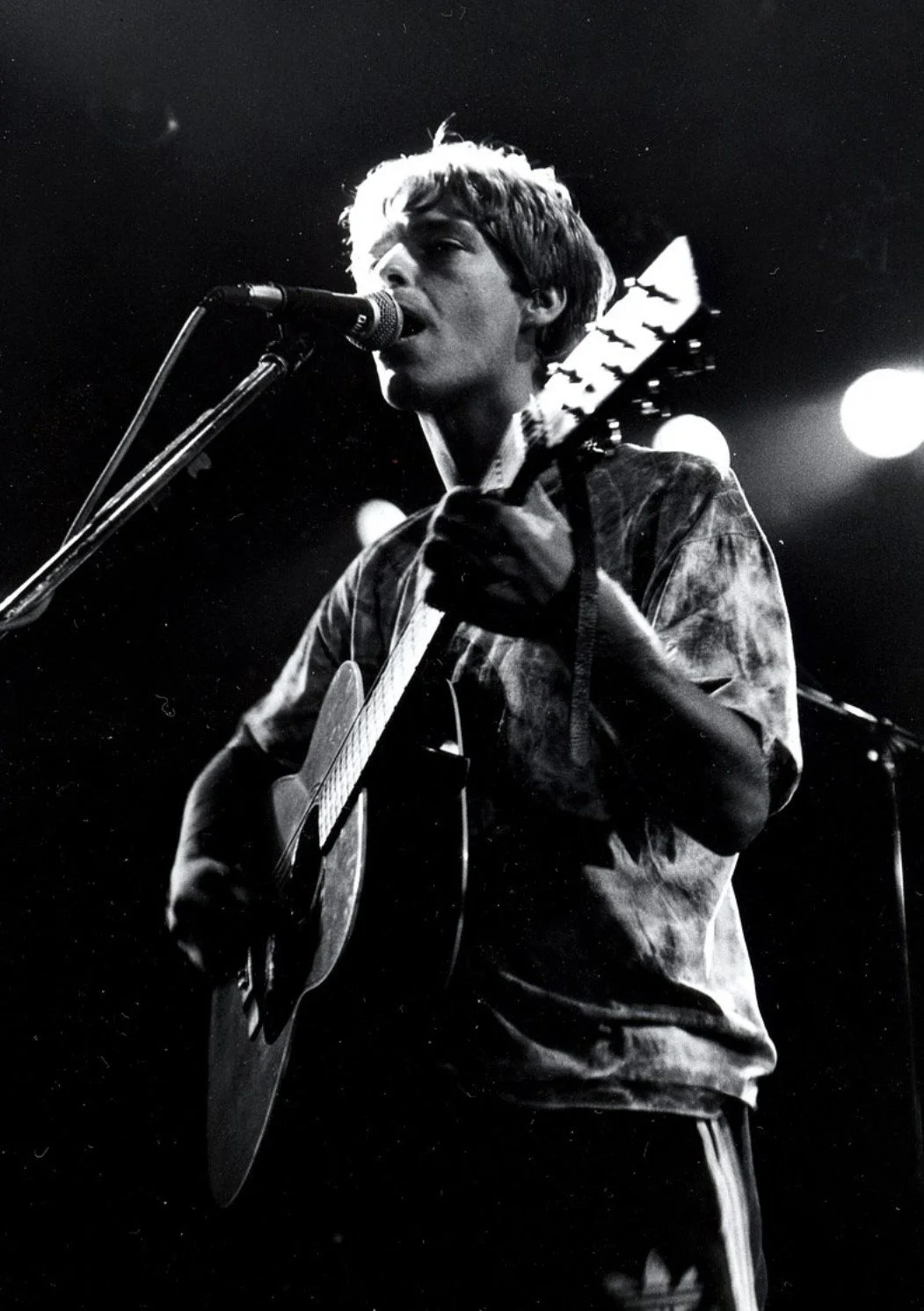
‘GRUBBY ANGEL’: Lee Mavers
Adelphi founder Paul Jackson died last week aged 71. As a way of marking his contribution to the city’s cultural life, music writer Russ Litten looks back on one the venue’s greatest gigs – The La’s, which took place on this day around 40 years ago
One Easter Bank Holiday Monday in the late 1980s me and a pal were wandering down Beverley Road after a horse we had backed had romped home at not inconsiderable odds.
We were both on the dole at the time, so although our stake had been modest, the return was handsome enough to keep us in merriment until the next Giro day.
We spent the afternoon in a happy haze of triumphant delirium, down at heel, but comparatively rich in pocket for once. As we passed De Grey Street, we decided to call in at that most splendid of hostelries, The Adelphi Club, on the off-chance of seeing some live music.
When we pushed our way into the back pool room it was immediately apparent that something singular was afoot. The place was packed, and not just with the usual faces. And not only were a lot of the faces unfamiliar, they were speaking with Scouse accents. I asked this effervescent lad at the bar who they had come to see and he replied “We’re here with The La’s, la”.
I’d never heard of The Lazla, but according to this lad and his mates they were something very special indeed. If their wide-eyed babbling was to be believed, The Lazla were the bands to end all bands.
They were more than a band – they were a religious experience, like The Second Coming of The Beatles fronted by Jesus Christ. They played the music you had always wanted to hear, la. And no la, they weren’t called The Lazla, they were just The La’s, as in all right, la. Know what I mean, la?
“What’s so good about them?” I asked.
“They’re just dead on it. And it’s Lee. Lee knows, la. He just knows.”
Bemused and curious, we accompanied our visitors into the mobbed-out main room where a definite buzz could be felt in the air. Some of it was coming from the array of vintage sixties guitars and valve amps set up on stage. Then, to a deafening roar that seemed more suitable to match day then a Monday night in a back street boozer, four young scallywags ambled out, plugged in and started up.
Halfway through the second song my companion turned to me and said, “Are they playing covers?” That’s exactly what I had been thinking. The first song had been a brisk Latin-inflected two-minute acoustic strum-along, which I could have sworn, I had heard on the radio in my youth.
The second tune sounded like an old Who number. They crashed from one song to the next and didn’t speak to the audience, save for the occasional “nice one” from the curly-topped perma-grinning bass player. He seemed the most animated of the group, bouncing away on the right hand side of the tiny stage.
The guitarist was a bespectacled young lad who stood to the left, eyes glued on the fret board of his huge red Gretsch semi-acoustic. Between them, clutching a battered old acoustic at John Lennon chest height, was the singer. This, I presumed, was Lee.
He seemed to be in a world of his own, fierce thousand-yard stare fixed at some point in the distance above the heads of the crowd. He sang like a young Mick Jagger, a deep yearning blues wail that tugged at some forgotten-presumed-lost section of your heartstrings. He had the voice of a grubby angel, but seemed to be possessed by the ghost of Robert Johnson.
As the third song finished, I was transfixed. They were not playing cover versions – these were not obscure gems from the sixties dusted down and re-discovered, these were songs that were brand spanking new and original, but felt as old as time itself. Sixties influenced, yes, but this was not mere revisionism.
These were melodies that had lurked inside your head for a lifetime, but had only just been released into the light of the day. Snatches of sea shanties, folk songs, nursery rhymes, power-pop, eastern European drinking songs, Indian ragas, the blues, the greens, the reds, the pinks, purples, puces and a few other colours that hadn’t been invented yet.
This was the band I had waited all my life to hear.
The La’s played what I later discovered to be their debut album, more or less in the order it appeared on the vinyl. Each one of these songs was astonishing, absolutely jaw-drop perfect. And they played them as if their lives depended on them.
The final song, Looking Glass, was like having your head turned inside out and your heart wrenched from your chest. The most plaintive of melodies that built and built with a yearning intensity, finally imploding upon itself in a blur of feedback, wood and metal and electricity, and the human voice raised skyward together in a white-knuckled climax.
They left the stage; sweat dripping from the roof, the crowd stunned into silence for one brief second, like we were all holding our breath. Then we roared for more. But they were gone.
We stumbled outside, not talking, the music still throbbing in our bloodstream. I looked at my pal and he just nodded. “I know, I know.”
This review was first published in The Hull Story newspaper in April 2024 as part of our coverage marking The Adelphi’s 40th anniversary