
From the West End to Ings Road: Arts project to explore city’s theatre history
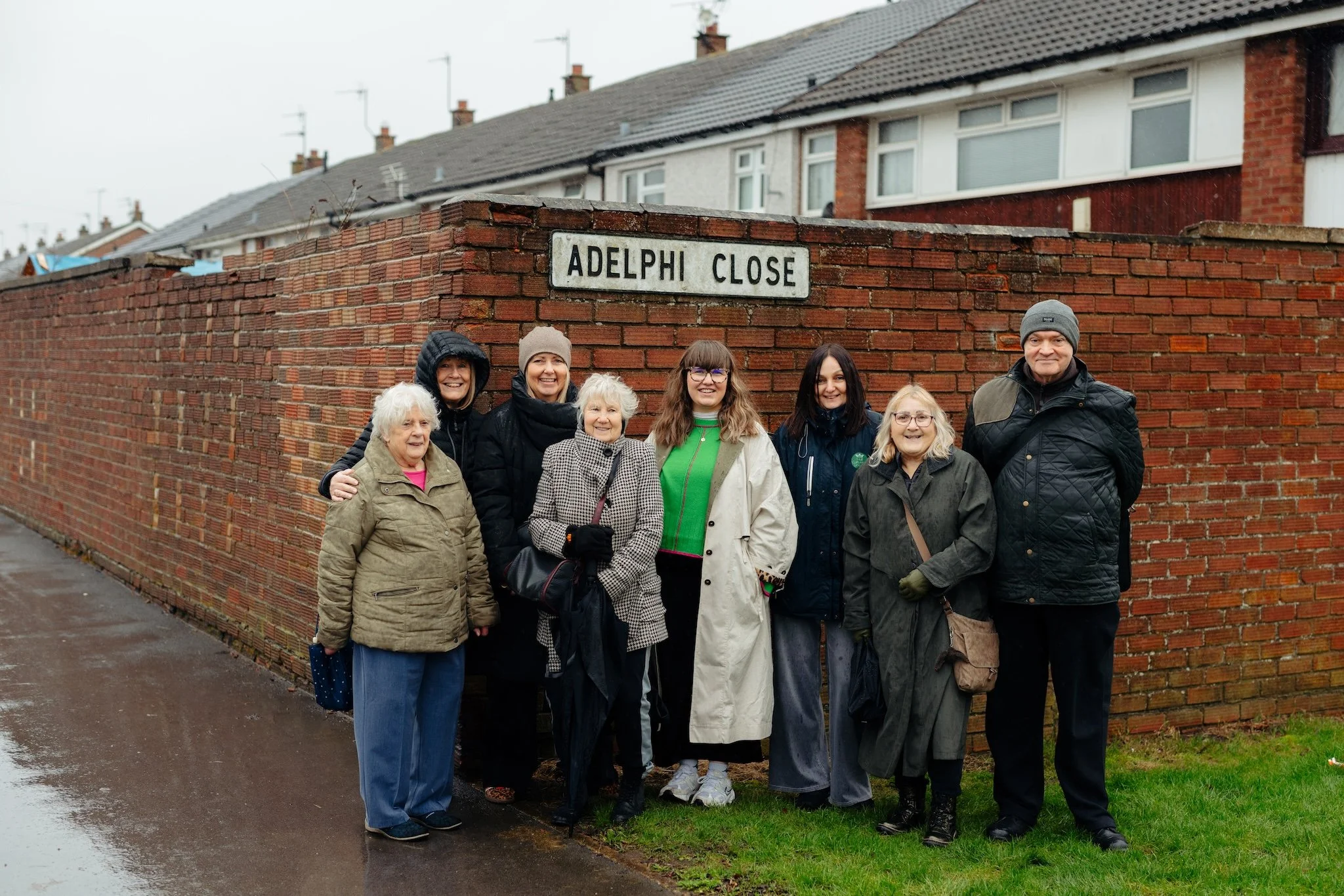
‘HERITAGE ISN’T ONLY FOUND IN GRAND ROYAL BUILDINGS’: Beth Murrell, centre, green top, with Ings Road residents. Picture by Tom Arran
By Simon Bristow, Co-Editor
An 18-month arts project exploring and celebrating Hull’s forgotten theatre history is underway, thanks to support from The National Lottery Heritage Fund.
Hull theatre company Middle Child will work with residents of Ings Road estate to explore the history of post-war residential streets named after London theatres, such as the Savoy, Apollo and Adelphi.
Middle Child will also create a new show called Let It Burn about Hull's 2,000-seater Theatre Royal in Humber Street, which twice burnt down before the site became, perhaps appropriately, a smoke house for the fishing industry.
The theatre, thought to have been built in the early 1800s, burnt down in 1859, was rebuilt in 1865, and burnt down again in 1869.
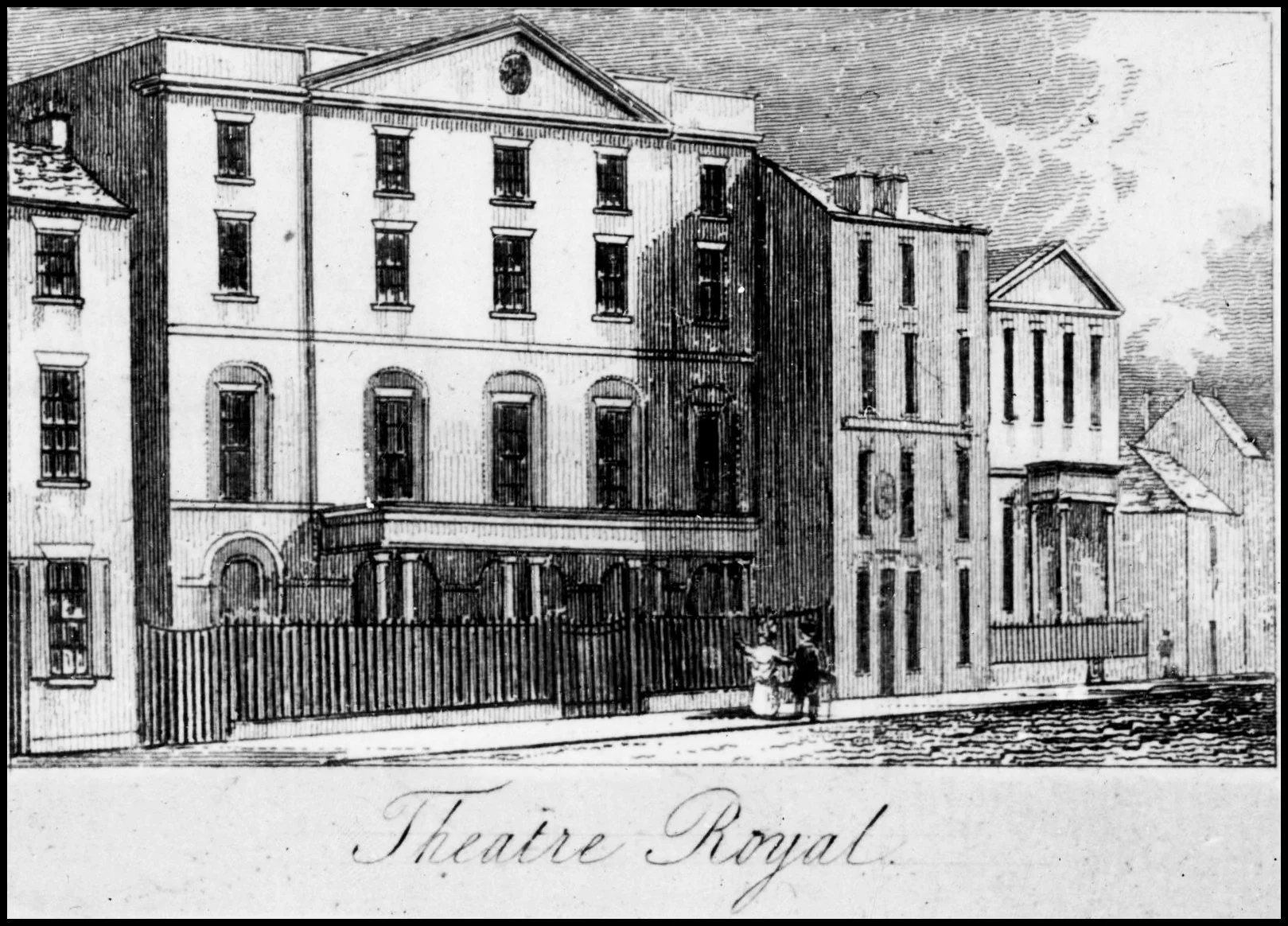
GONE BUT NOT FORGOTTEN: An 1810 engraving of the Theatre Royal in Humber Street, by J Greenwood. Picture credit: Hull History Centre
The project, which has been made possible with a £150,000 grant from The National Lottery Heritage Fund, will include:
Drawing on the Hull History Centre archives to uncover and celebrate the city’s hidden theatrical heritage
Creative workshops and oral history recordings with residents of Ings Road estate, tracing the origins of the street names and the lives of residents, in partnership with Ings Library
Walking history tours around Ings Road with local historian, Paul Schofield
Co-designing a new mural with residents to mark the estate’s historic links to West End theatres, creating a resident-led legacy for the area
Installation of a new information board on Humber Street to tell the story of the previous Theatre Royal buildings.
This project builds on Middle Child’s long-standing relationship with Hull communities and its commitment to creating work rooted in the city’s people and places.
Middle Child heritage engagement producer, Beth Murrell, said: “We are thrilled to have received this support from The National Lottery Heritage Fund.
“Heritage isn’t only found in grand royal buildings or elite institutions in capital cities: it’s also in theatres built by and for working-class communities, in the fabric of council estate streets and is kept alive by fond memories from local people.
“Thanks to National Lottery players we will be able to save an important but overlooked part of Hull’s cultural heritage, reviving both a forgotten public story and a fragile thread of community memory that is at risk of disappearing altogether.”
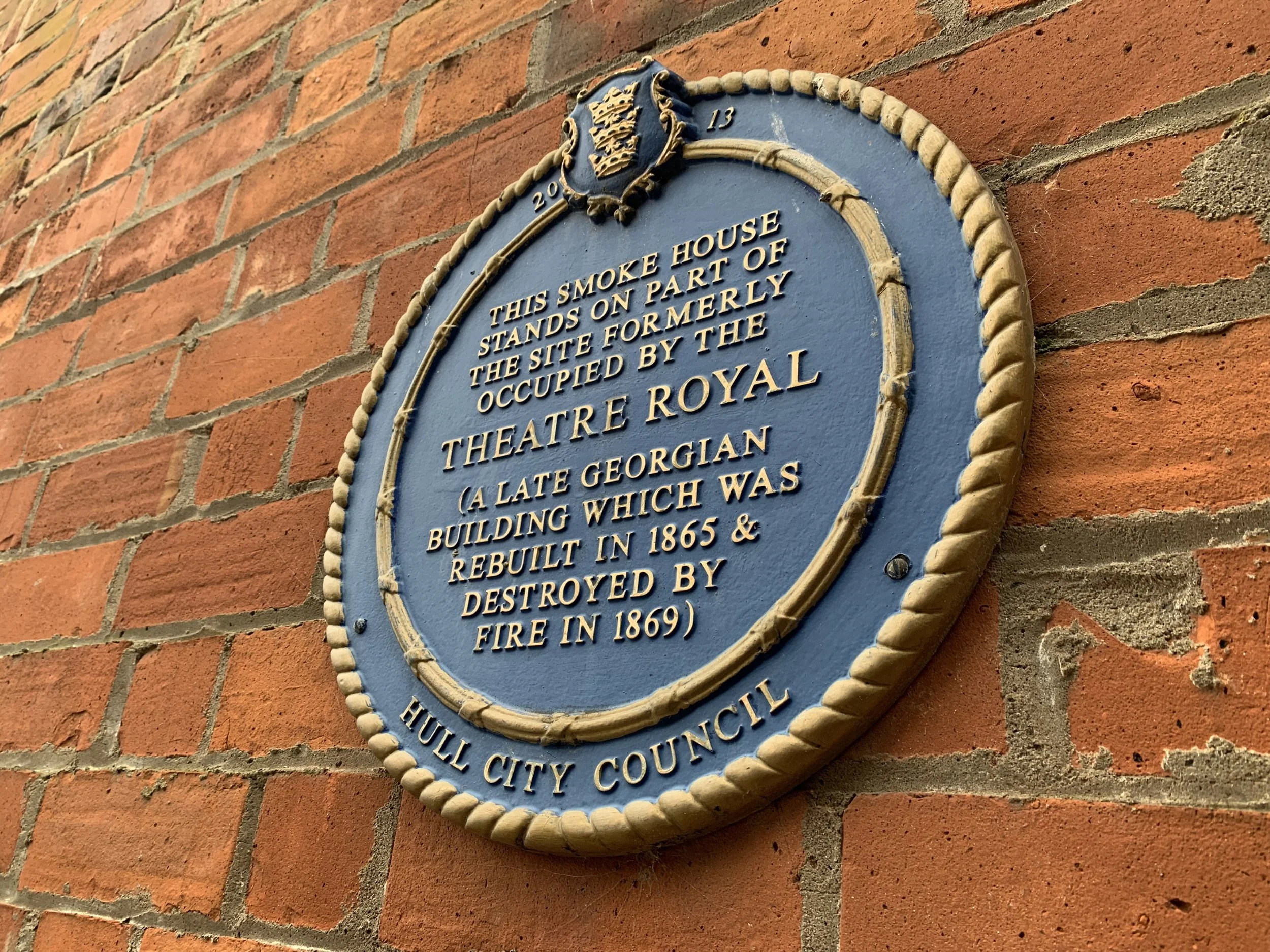
HISTORY: A blue plaque in Humber Street which only tells half the story. Picture by Jamie Potter
Helen Featherstone, director, England, North at The National Lottery Heritage Fund, said: “We’re delighted to support Middle Child with their project to share the fascinating cultural heritage of Hull and its surprising links with the West End.
“Hull is a city rich with heritage, and thanks to money raised by National Lottery players, its residents will have the chance to explore its theatrical history and build upon that special heritage through the project’s outputs like the exciting co-created mural.”
Let It Burn will premiere in Middle Child’s new theatre venue at 69 Humber Street in spring 2027, just metres away from the site of the original Theatre Royal.
Described as a “screaming farce”, the Sarah Middleton play is about the unshakeable belief that the show must go on and the need to support culture in a place like Hull.
Middle Child, a National Theatre Resident Company, will spend four days developing Let It Burn at the National Theatre Studio in London from February 4 to 7.