
Mayor Campbell would only support fracking if ‘totally safe’
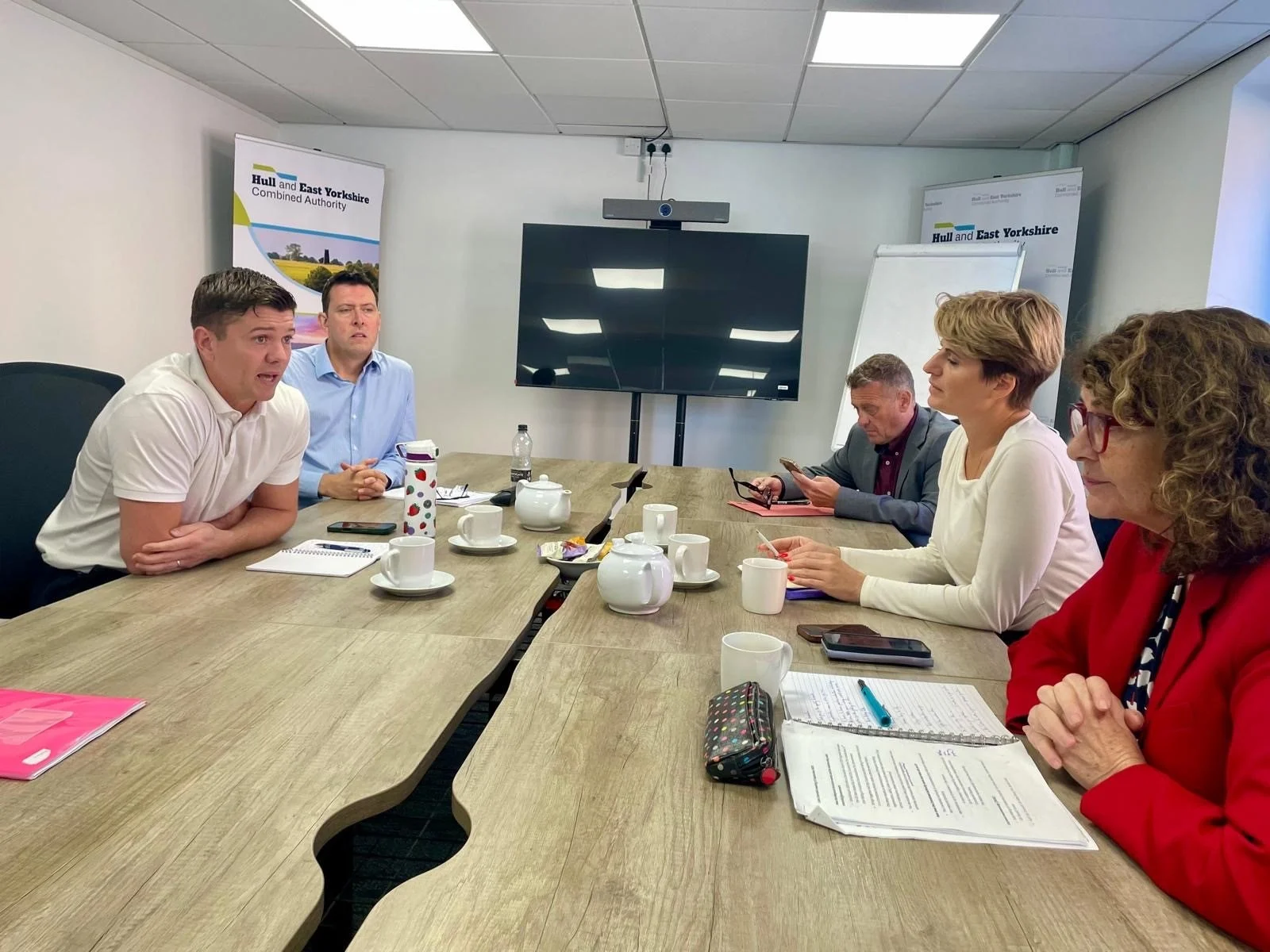
MEETING: Mayor Luke Campbell, left, with MPs Diana Johnson and Emma Hardy, right to left
By Simon Bristow, Co-Editor
Hull and East Yorkshire Mayor Luke Campbell would only support fracking if it was “totally safe”, city MPs have said.
The position, which adds a caveat to previously reported comments from the mayor in support of fracking, is contained in a letter to Campbell from Hull’s three MPs following a meeting with him earlier this month.
The letter, posted on the X account of Hull North and Cottingham MP Dame Diana Johnson yesterday, summarises the issues covered.
On fracking, it said: “We welcomed hearing your views about fracking and that, contrary to some recent press reports, you would only be prepared to support fracking in Hull and East Yorkshire if there was clear evidence to prove that fracking would be totally safe.
“We noted the difficulties that have previously happened with fracking sites elsewhere in the country.
“This understanding will help us to concentrate on the real prospects for growth in and around Hull over the next few years.”
The Reform mayor’s reported position on the controversial practice of fracking – pumping water and chemicals into the earth to release underground gas – may put him at odds with his party’s leadership, with deputy leader Richard Tice having recently called for the ban on fracking to be lifted.
Tice described shale gas as “energy treasure under our feet”, and said it would be “grossly financially negligent to a criminal degree to leave that value underground and not to extract it”.
Fracking has been banned in England since 2019. Residents near a fracking site in Lancashire experienced earthquakes during fracking attempts and there were more than 200 reports of damage in the town of Fylde. Drilling was halted after a series of tremors, including one measuring 2.9 on the Richter scale.
The letter, also signed by Johnson’s fellow Labour MPs Emma Hardy and Karl Turner, also records their “concern” that Campbell had declined to sign up to the White Rose Agreement alongside Yorkshire’s other three metro mayors.
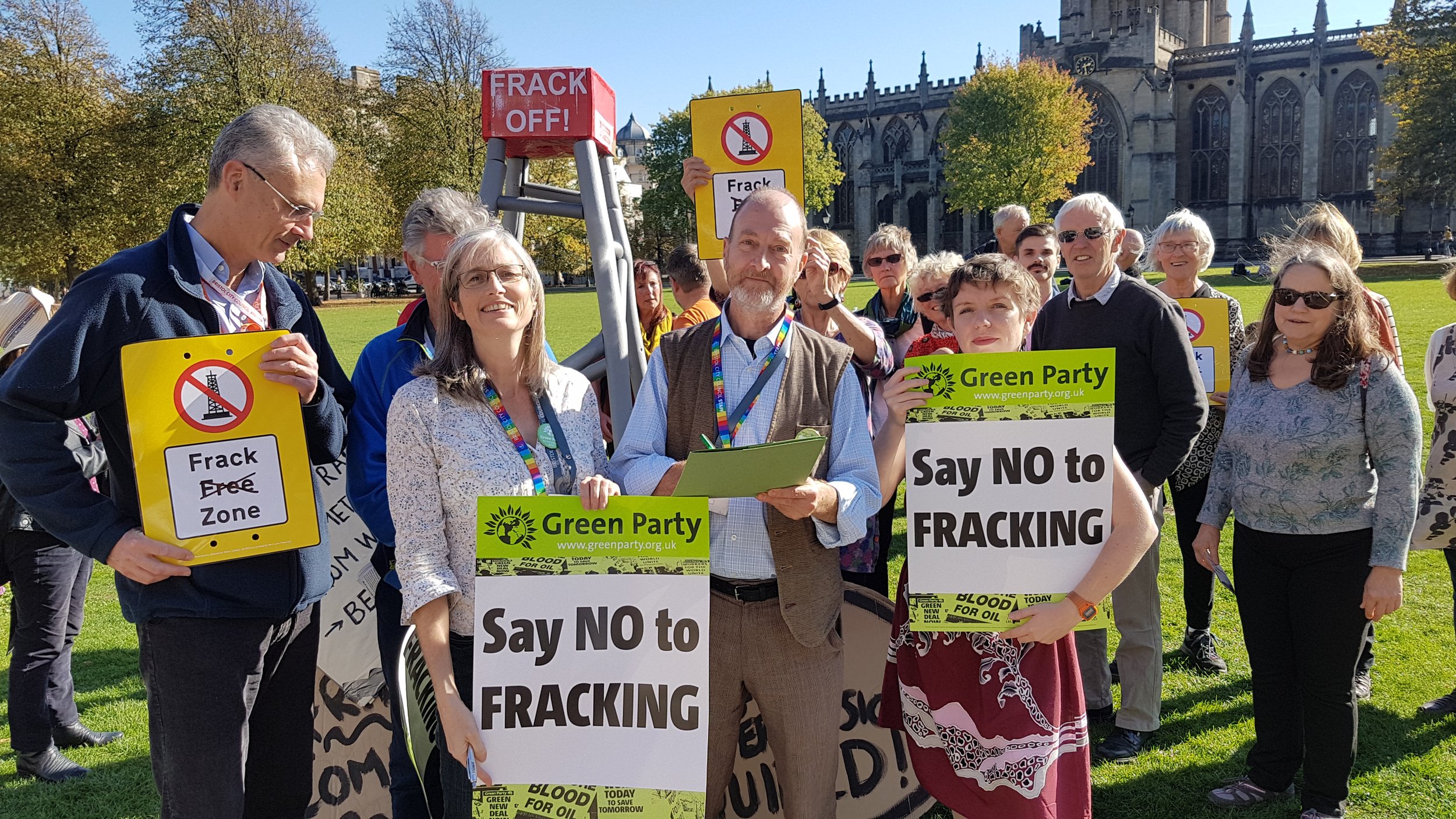
OPPOSITION: A fracking protest on College Green near Parliament in 2018. Picture credit: Bristol Green Party
The agreement commits the mayors to working together on key areas, including growth, promoting the county, improving rail connectivity, improving cross-border bus services, and keeping communities safe.
The letter goes on to note that the Humber Energy Estuary has become both a national and global leader in green innovation since Siemens came to Hull in 2014.
“This whole sector has by far the greatest growth potential for our sub-region. It needs nurturing,” the letter says.
It continues: “As you know, at least £15bn in private sector investment in Net Zero projects around the Humber estuary is currently available – linked to it an estimated 20,000 new skilled local jobs. Investment on this scale – far more than the £13.3m annual funding in the Hull and East Yorkshire devolution deal – has the potential to transform our regional economy.
“If jobs, investment and growth are our priority, around the Humber estuary this is inseparable from supporting Net Zero and we were glad that we were able to emphasise this key point to you.”
The MPs note that the region’s devolution deal originally allocated £5m of capital funding to support Hull and East Yorkshire’s economic growth priorities, including for further expansion of the Siemens Gamesa Offshore Wind Facility. But, they say, this money had to be allocated by March 31, 2025 – a date “curiously prior to the Mayoral elections”.
They tell the mayor: “We would welcome you being involved in our efforts to determine whether this funding is retrievable for the purpose of the important feasibility studies for which, we understand, it was intended.”
The letter adds: “There are also issues that we would welcome working with you on in unlocking the job creation potential of the Humber International Enterprise Park and overcoming any obstacles on public infrastructure works that are in danger of deterring major investors.
“Taking full advantage of all these opportunities to attract further private sector investment would give our most talented local young people the real prospect of building a future in Hull and East Yorkshire – rather than feeling the need to move away. As we discussed, Hull also has more than the national average of 16 to 18-year-olds who are not in employment, education or training (NEETs).”