
A design for life: The architects behind the low energy buildings of the future
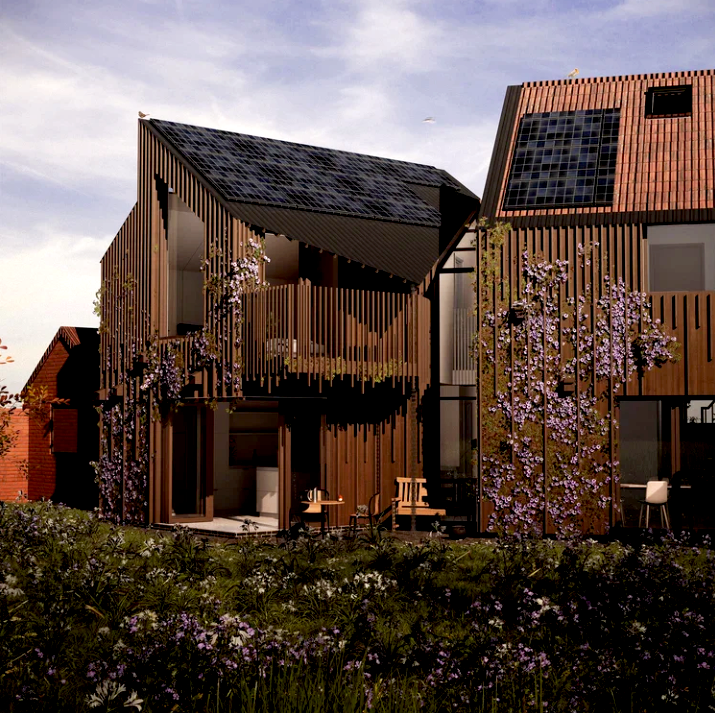
TRANSFORMATION: An eco-house in Walkington, developed from a 1950s semi-detached property. Picture credit: Samuel Kendall Associates
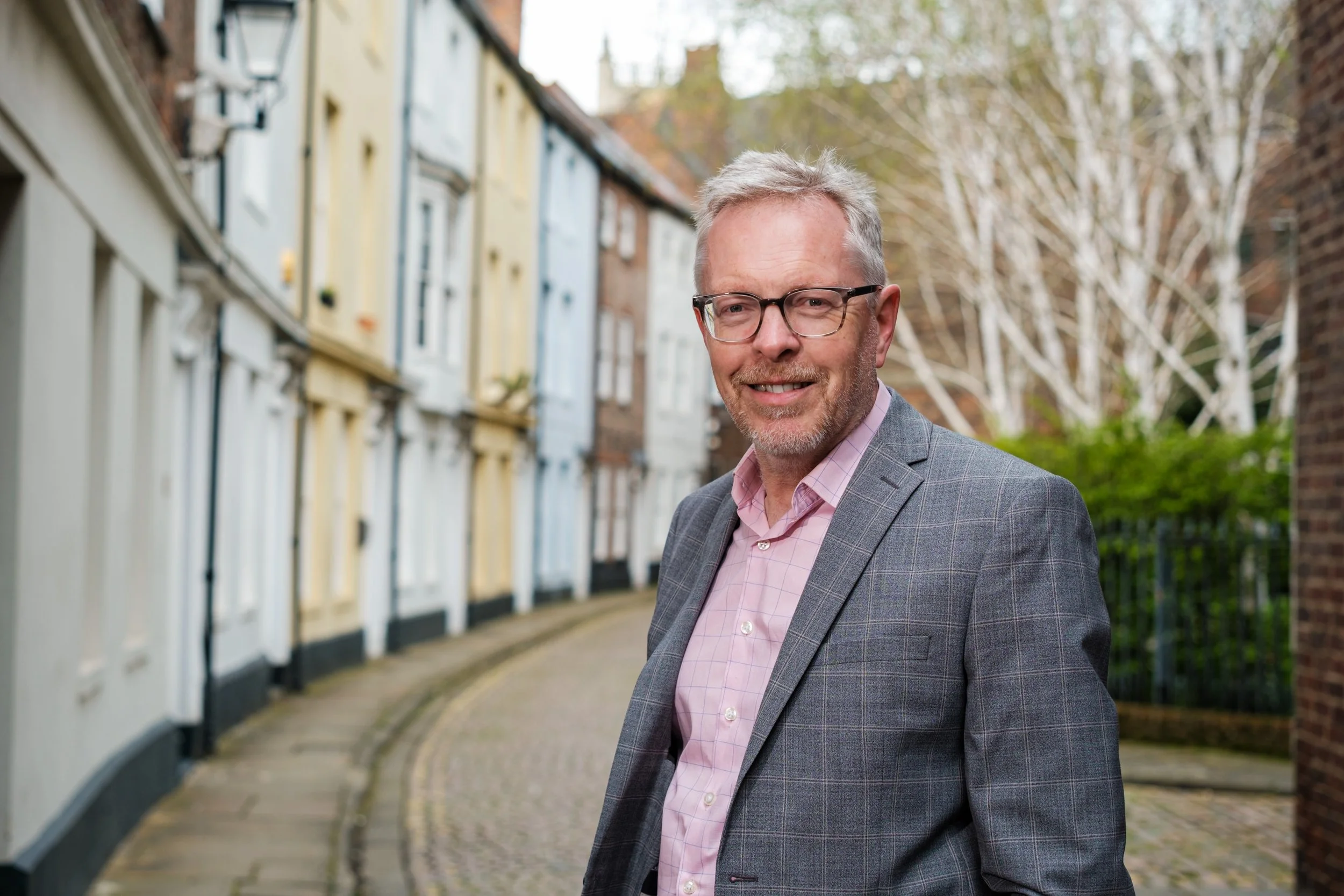
Now & Then, a column by Angus Young
A mid-18th century blacksmith’s cottage and forge might seem an odd place to be discussing the design and construction of a new generation of hi-tech low-energy buildings.
I’m in the East Yorkshire village of Catwick at the home of husband and wife architects Stephen and Linda Samuel and we’re talking Passivhaus.
If you’re unfamiliar with the term, it’s a voluntary standard for energy efficiency in new and existing buildings that drastically reduces their carbon footprint.
Passivhaus properties typically feature enhanced high-performance insulation and ventilation capable of retaining heat from both the sun and the activities of their occupants so they ultimately require little additional heating or cooling.
In a nutshell, the building itself is able to maintain a constant temperature through its own design.
From a studio in their own converted 282-year-old cottage, the couple have been designing energy-efficient homes for more than two decades with the majority surpassing the Passivhaus standard by some distance.
Their projects could easily fill an entire series of Kevin McLoud’s TV show Grand Designs.
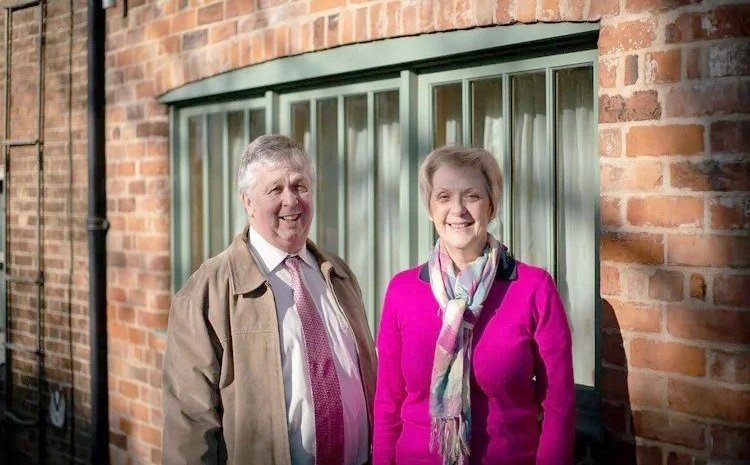
GRAND DESIGNS: Architects Stephen and Linda Samuel. Picture credit: Samuel Kendall Associates
One features a new timber-framed home in Carnaby near Bridlington which includes chalk masonry reclaimed from a rundown former village post office which previously occupied the site.
Another has transformed an ordinary-looking 1950s semi-detached house in Walkington into a larch-clad eco-home complete with a new double-height glazed central atrium.
A third new-build Passivhaus home in South Cave deploys its ground source heat system in a nearby garden pond.
“Passivhaus doesn’t have to be expensive but it can be depending on a client’s requirements,” said Stephen.
“That might give the impression it’s not for everyone but it should be. For me, it’s about creating a sense of place while exploring what we can achieve in reducing a building’s environmental impact through passive solar design, renewable energy design and the use of sustainable, low-carbon materials.
“A lot of people still don’t get it but Passivhaus is achievable. You won’t hear that from the big commercial house-builders but it has to be the way forward if we are really serious about creating sustainable homes for the future.”
While the Samuels have been championing Passivhaus innovation for years, the movement is finally starting to gain momentum across the construction sector.
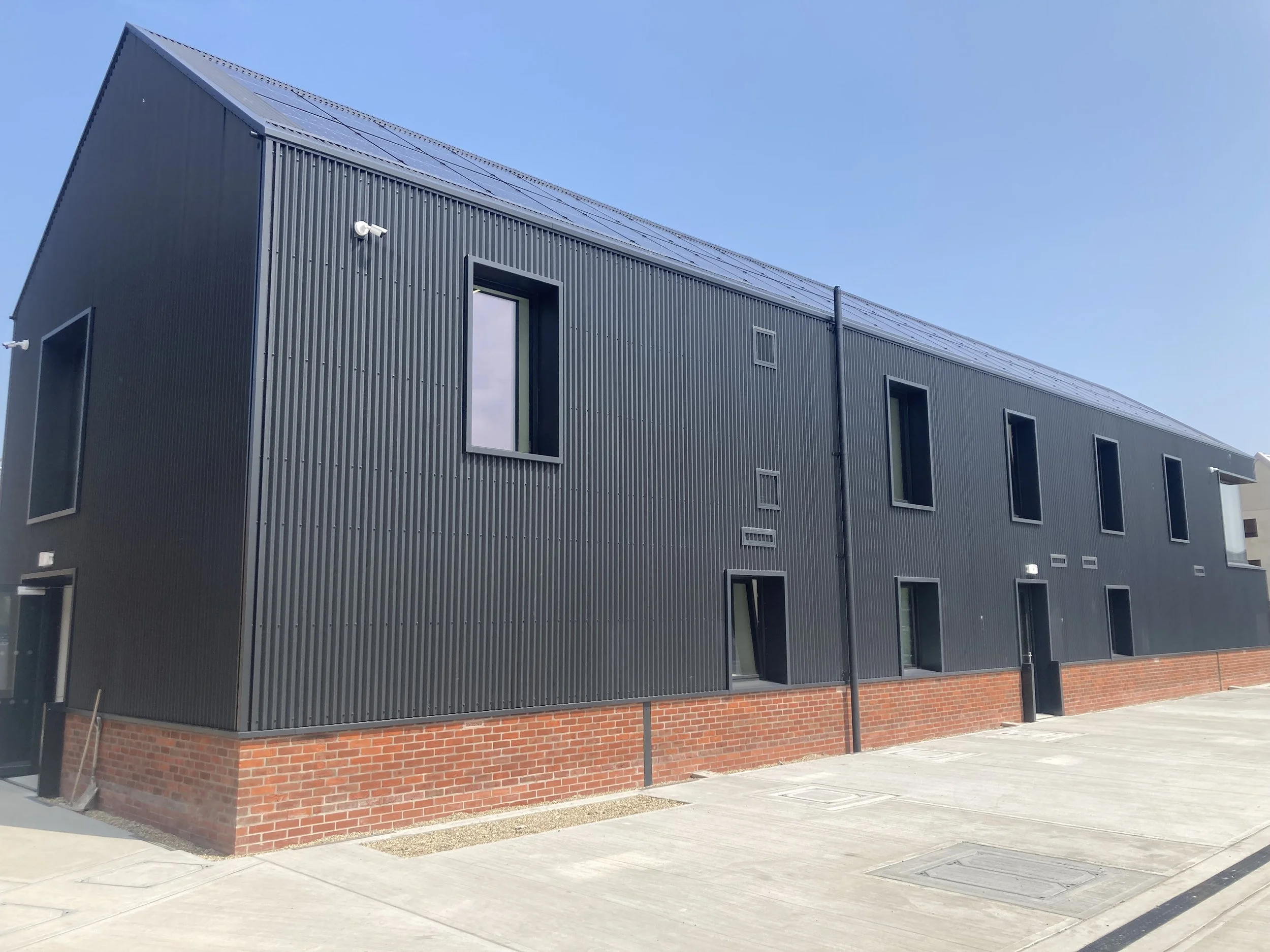
GROUNDBREAKING: North End Shipyard visitor centre in Hull, the first Passivhaus museum complex in the UK
In Hull, a recently-completed new visitor centre at the North End Shipyard site in the Old Town has recently achieved the necessary certification to become the UK’s first Passivhaus museum complex.
Due to open next year, it will operate alongside the former Arctic Corsair sidewinder trawler berthed in an adjacent dry dock.
I was recently given a tour of the new building and its insulated rooms, large south-facing windows and a clever heat recovery ventilation system all underlined its eco-credentials.
When the first visitors arrive next year they will be welcomed into a net zero building powered exclusively by electricity, including on-site renewable energy.
However, the Passivhaus story in Hull is only just beginning.
On the other side of the River Hull, plans for the proposed East Bank Village development are progressing with an initial planning application for the currently derelict site scheduled to be submitted early in 2026.
Around 850 new homes are expected to be built there over the next 15 years subject to planning approval being secured and developers say they are currently weighing up how the Passivhaus standard could be applied to the scheme.
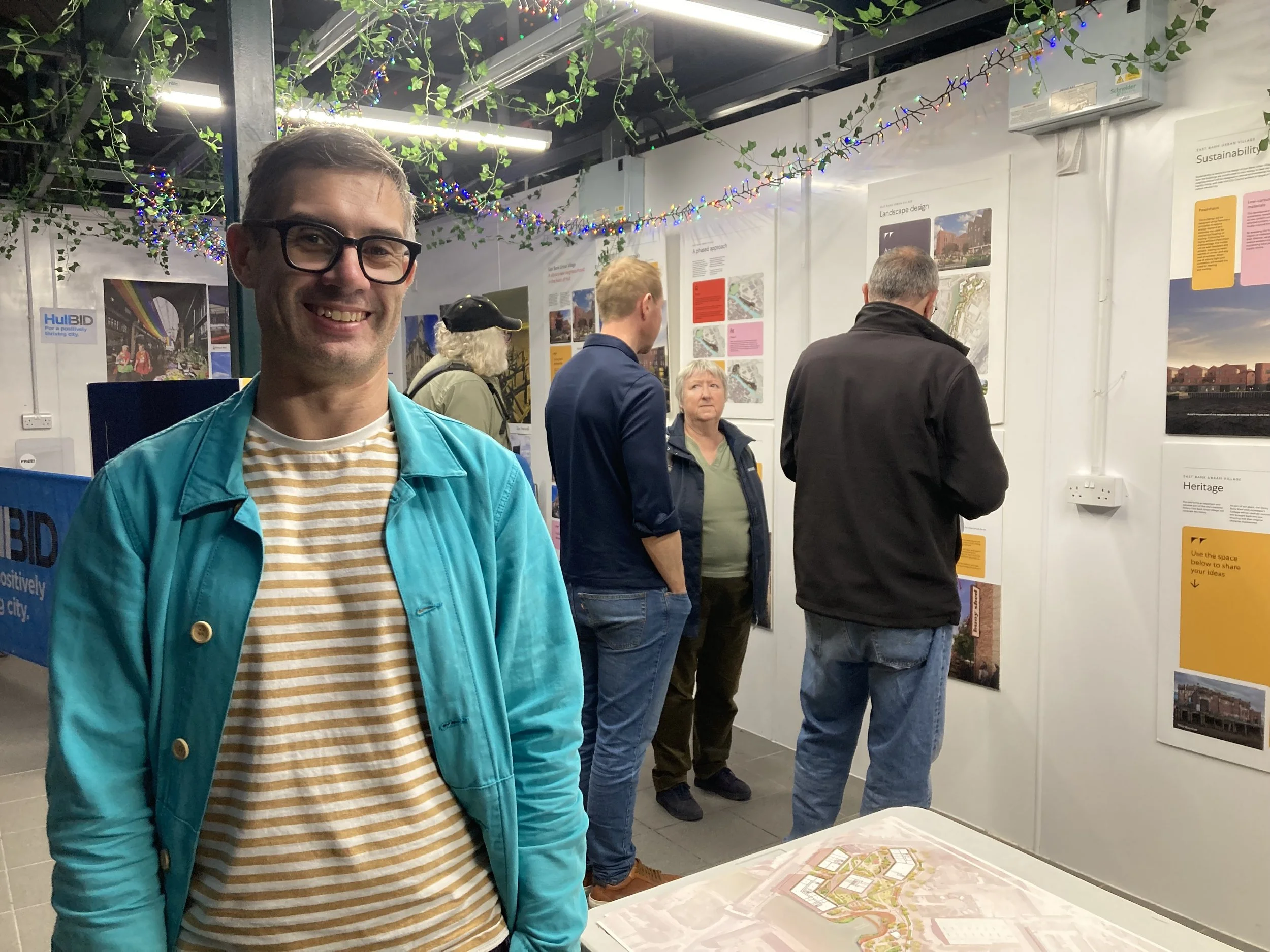
‘THERE’S A NEED FOR IT IN HULL’: East Bank Urban Village project architect Ian Emmerson
Project architect Ian Emmerson, of CJCT Studios, said: “At the moment there is a very strong aspiration to incorporate a higher standard of sustainable design in the development because there is a strong need for that in Hull.
“That could mean Passivhaus in some or all of the phases. In the past, you would normally see Passivhaus in one-off projects but increasingly it is being applied to larger scale developments subject to funding.
“In this case, we are keen to bring Passivhaus to the East Bank if things stack up.”
If it happens, Hull could follow in the steps of Manchester where the same development partners behind the East Bank project recently completed the largest ever Passivhaus housing scheme in the North-West.
The nine-storey Greenhaus development in Salford features 96 one and two-bedroom homes in a mix of tenures, including social rent, affordable rent and rent-to-buy.
Thanks to the Passivhaus design, the monthly cost of heating and hot water is around £40 compared to £95 for a similar-sized new-build home with a gas boiler.
Overall, Greenhaus is predicted to give a 68 per cent reduction in annual heating demand and a 57 per cent reduction in overall energy use.

PLAN: The proposed East Bank Urban Village project
Orientated to make the most of solar gain, the building achieved Passivhaus standard through a simplified thermal design which avoided complex details such as overhangs and balconies where heat might also be lost.
Other innovative design features included insulated internal rainwater drainpipes and positioning windows within insulation zones.
Sue Sutton, chief executive of the scheme’s housing association partner Salix Homes, said: “With the rising cost of living, a shortage in the supply of affordable and social housing and a need to address the challenges posed by the climate crisis, Greenhaus demonstrates what can be achieved though effective partnership working and a shared desire to create greener, cleaner and healthier homes that are fit for the future and won’t need retrofitting.”
A second Passivhaus development in Salford is now in the pipeline matching the same specification as Greenhaus and being overseen by the same team. Overall, it will see another 100 homes being constructed.
A blueprint for Hull and the East Bank scheme? Quite possibly.
Meanwhile, back in Catwick Stephen Samuel points to the roof of his cottage where solar panels are generating power.
Next door, the old forge has been transformed into a holiday cottage complete with restored hand-thrown Georgian bricks and a new ventilation and heat recovery system providing a constant supply of fresh warm air.
“Not bad for something built in 1743,” he said.