
Lib Dems and Labour ‘seek deal’ to freeze Reform out at Guildhall
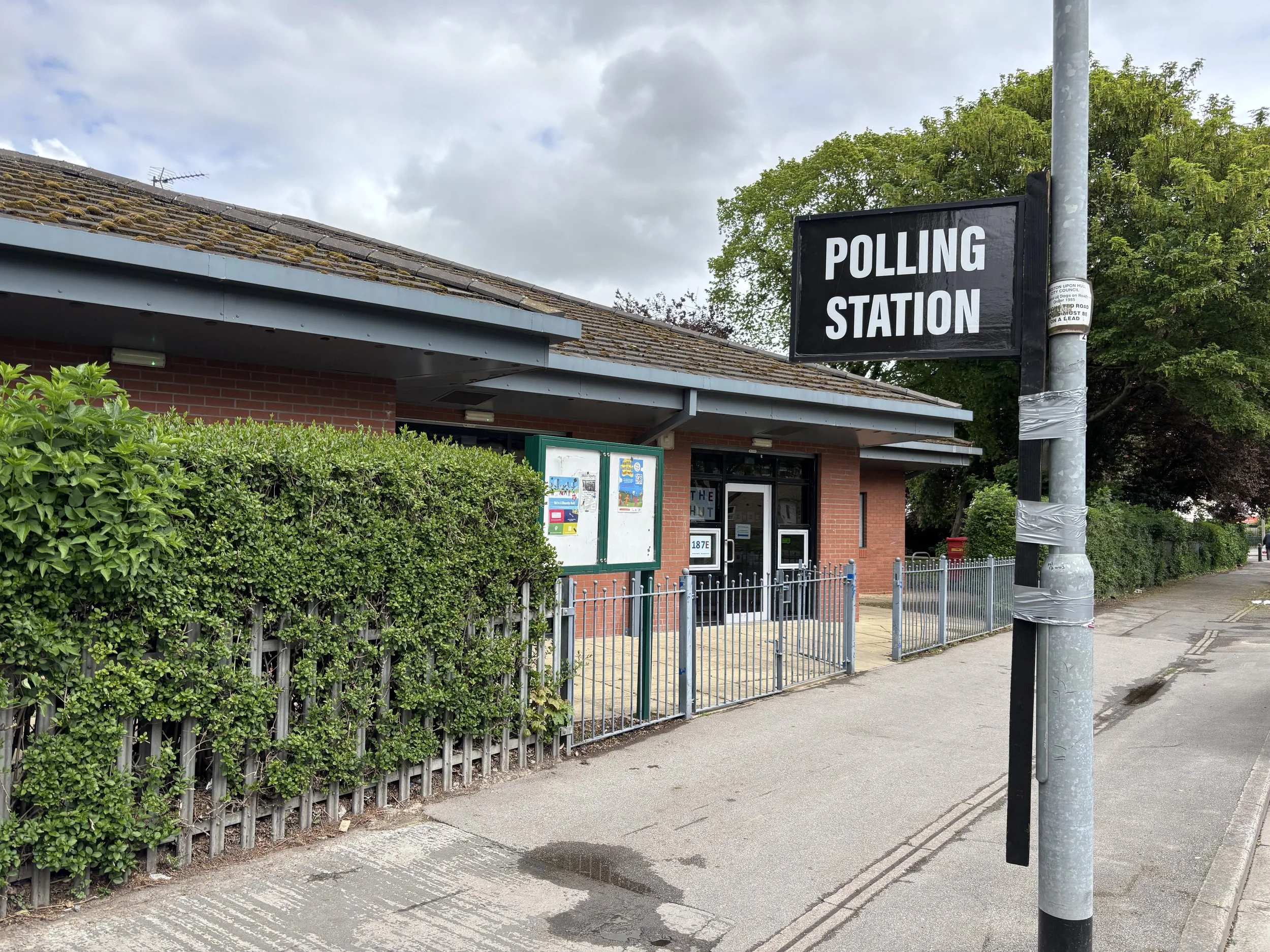
ALL CHANGE: A polling station in Preston Road for yesterday’s city council elections
EXCLUSIVE
By Angus Young
A deal now seems likely between the Liberal Democrat and Labour groups on Hull City Council following a dramatic set of election results.
No party currently has an overall majority at the Guildhall where the Lib Dems have been in charge since 2022.
The party still has by far the largest number of councillors at the authority, occupying a total of 26 of the council’s 57 seats.
But it’s not enough to thwart any potential combined vote against them by their opponents.
The election has left Labour with 16 seats while newcomers Reform UK has ten. To complicate matters, there are also five Independents.
There has been political stability at the council for the best part of two decades.
Over the years Labour and the Lib Dems have both run the council at different times by establishing clear working majorities in elections.
However, that’s all changed after the results in this week’s contest.
Technically, the Lib Dems can operate as a so-called minority administration but the reality of the situation means they require a degree of political co-operation to guarantee that things get done and decisions are made.
That paves the way for a mutually beneficial agreement between at least two of the political groups.
It’s not likely to be a formal coalition like the one formed between the Conservatives and the Liberal Democrats after the 2010 General Election when the two parties created a joint government.
Instead, any deal here will be more subtle and – if it happens – it will almost certainly involve the Lib Dems and Labour as the two groups have more in common than Reform UK who occupy a very different political universe.
Tentative talks over a possible move in that direction started in some circles before the election with a view to the traditional rivals across the council chamber burying the hatchet, albeit temporarily, should the result lead to a hung council.
Some of the wounds between the two groups run deep but a deal is being seen by many on both sides of the fence as the best way forward.
Even so, the next few days are expected to see intense debate behind closed doors over how any link-up might work.
An unofficial pact between the groups could allow the Lib Dems to continue as the council’s main political administration in exchange for Labour nominations for key committee posts being supported when vacancies are filled at the council’s annual general meeting later this month. Don’t rule out a successful Labour nominee for the next Lord Mayor under this arrangement either.
Soft Labour support for the Lib Dems could involve abstaining at the AGM to allow the Lib Dems to remain in power. However, any prospect of Labour being offered a cabinet seat seems unlikely at the moment.
Such a move would leave the new and inexperienced Reform UK group isolated and powerless.
As the five Independents are all former Labour and Lib Dems, the Reform UK group is unlikely to win new friends among them either.
That would suit both the Lib Dems and Labour as they start to work out how to avoid a repeat of Reform UK’s success at the local polls in 12 months’ time when the next election is held in Hull.
There have been administrations with no overall majorities before at the Guildhall, but they were many years ago and only a few councillors remain from those far off days.
All of which means today’s current crop of politicians on the city council face a steep learning curve when it comes to making local democracy work.