
COPD patient becomes first in region to have new injection reducing hospital admissions
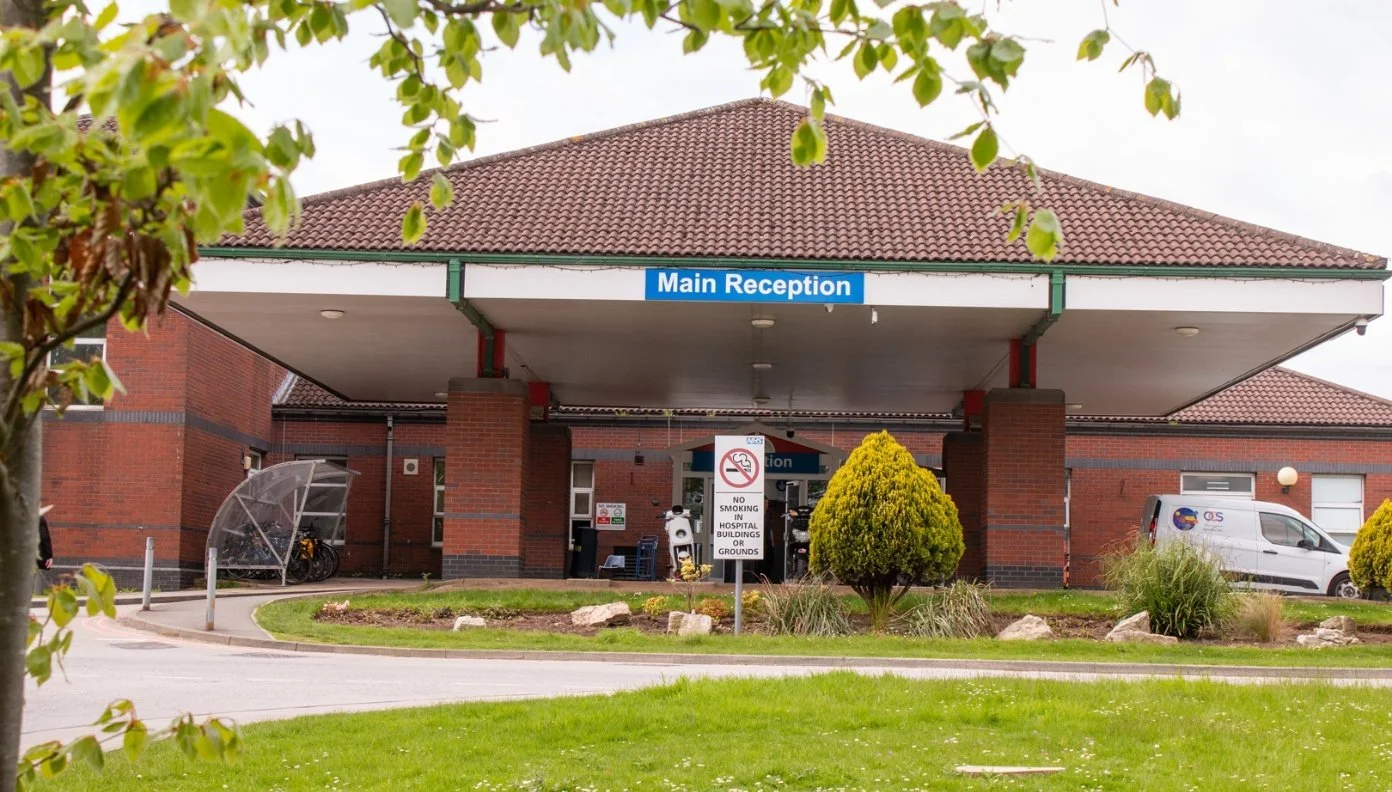
NEW TREATMENTS: Castle Hill Hospital
By Simon Bristow, Co-Editor
A woman with chronic obstructive pulmonary disorder (COPD) has become the first in East Yorkshire to benefit from a new injection to prevent frequent hospital admissions.
The respiratory clinical assessment service at NHS Humber Health Partnership is one of the first NHS organisations in the country to offer the radical new treatment – known as “biologic therapy” – to people with COPD.
Hull has one of the highest rates of COPD in the country because of high rates of smoking and levels of deprivation. However, thanks to the respiratory teams at Hull Royal Infirmary and Castle Hill Hospital, the city is now at the forefront of medical advances in its treatment.
Joanne Thompson, matron in respiratory specialist services, said the woman in her 60s from Hull was given special permission to receive the injection in June because of deteriorating health, with Humber and North Yorkshire Integrated Care Board (ICB) approving treatment for suitable patients this month.
The woman, who does not wish to be identified, has told the nursing team she’s now able to walk some distance, attend family events and have conversations instead of clipped sentences because of her breathing difficulties.
Joanne Thompson said: “This is a really proud moment for our teams, a significant milestone for our organisation and an important step forward for our patients.
“We’ve worked extensively across multidisciplinary teams in our hospitals, all of us driven by a clear commitment to innovation and improving outcomes for patients with complex respiratory disease.
“It marks an important step forward in the treatment of COPD and a leading cause of hospital admission.”
Medical research shows the new treatments, called Mepolizumab and Dupilumab, blocks the actions of specific proteins driving airway inflammation, sparking COPD flare-ups which can cause emergency hospital admission. It can take people four to six weeks to recover from a COPD-linked hospital admission.
By reducing flare-ups, which cause irreversible damage to lung function, the aim is to keep people well at home, improve symptom control and allow them to have a better quality of life. It also aims to reduce reliance on steroids, which can have serious side-effects and long-term health impacts.
The subcutaneous treatment is injected into the arm, thigh or stomach once a fortnight and people with COPD, assessed as suitable for the drug, will be taught to administer the drug themselves without the need to attend hospital clinics. They’ll be monitored at three, six and 12-month intervals by specialist nurses, with annual check ups if the treatment is working.
Joanne, who is the respiratory virtual ward operational lead and respiratory transformation partnership clinical advisor, said the development was a major leap forward in patient-centred care.
She said: “For the first time, we are able to offer a targeted treatment option for selected COPD patients who continue to have significant health problems despite receiving standard therapies.
“Biologic treatments allow us to move beyond a ‘one-size-fits-all’ approach and deliver more personalised care, helping reduce exacerbations, improve quality of life and, ultimately, keep patients well and at home.”
The team predict around 75 people who’ve had frequent flare-ups requiring hospital admission or two moderate flare-ups requiring steroids may be suitable for the new biologic therapy in the short term, with the long-term plan to work with GPs across East Yorkshire and Northern Lincolnshire to identify patients with COPD who may benefit.
Work is also underway to expand access to biologic treatments across both banks of the Humber, supporting patients with respiratory conditions in Northern Lincolnshire and Goole.