
Charity for the deaf celebrates centenary of landmark home
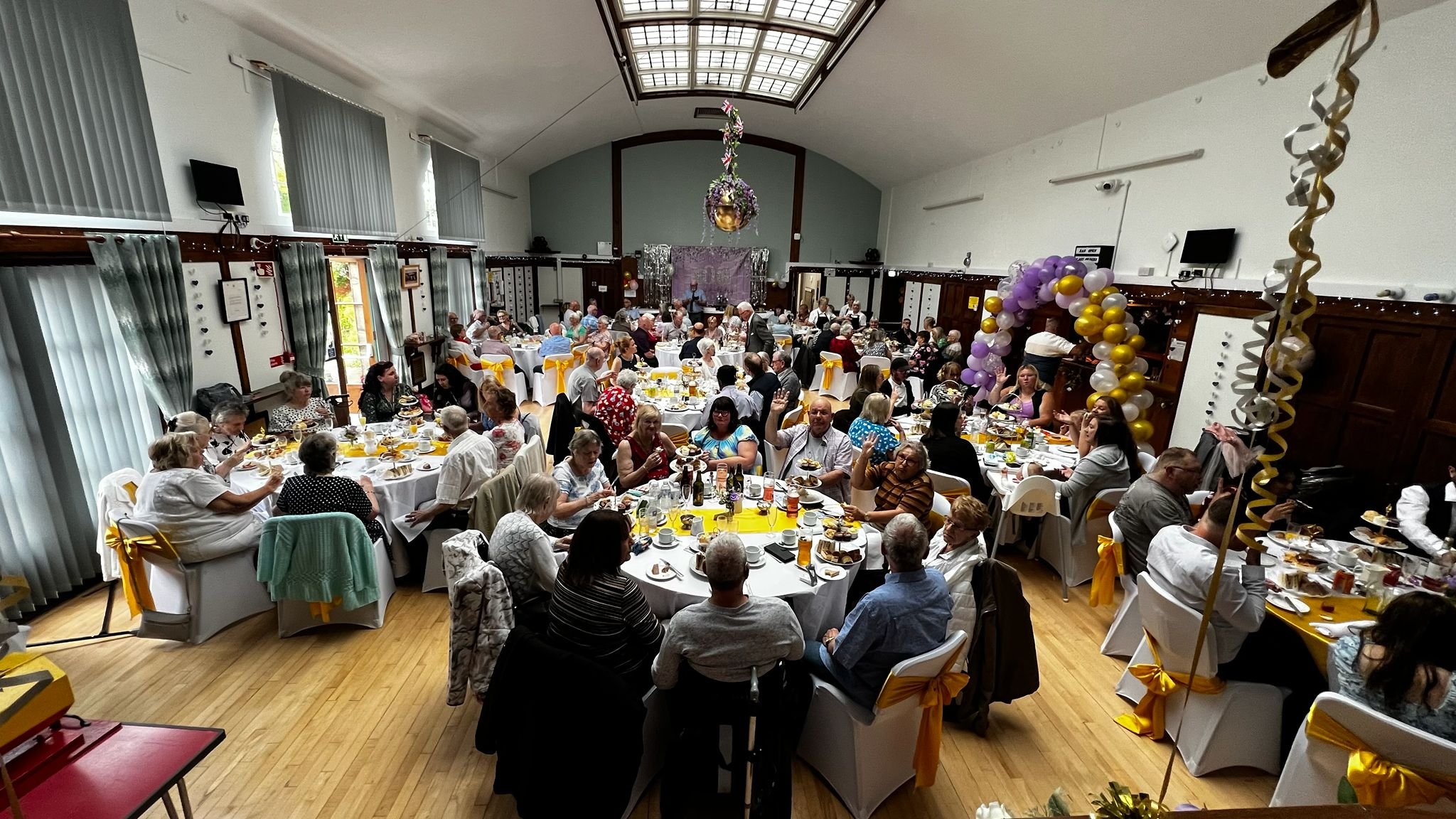
CELEBRATION: Members and supporters of Hull & East Yorkshire Centre for the Deaf
By Angus Young
A Hull-based charity is celebrating the 100th anniversary of its home on Spring Bank.
The Hull & East Yorkshire Institute for the Deaf and Dumb first opened its doors in June 1926.
Land at the site had been purchased from a stonemason and the resulting building remains largely unchanged today.
Designed by Hull-based architects Horth and Andrews, the red-brick landmark features Tudor-style windows and an imposing wooden front door.
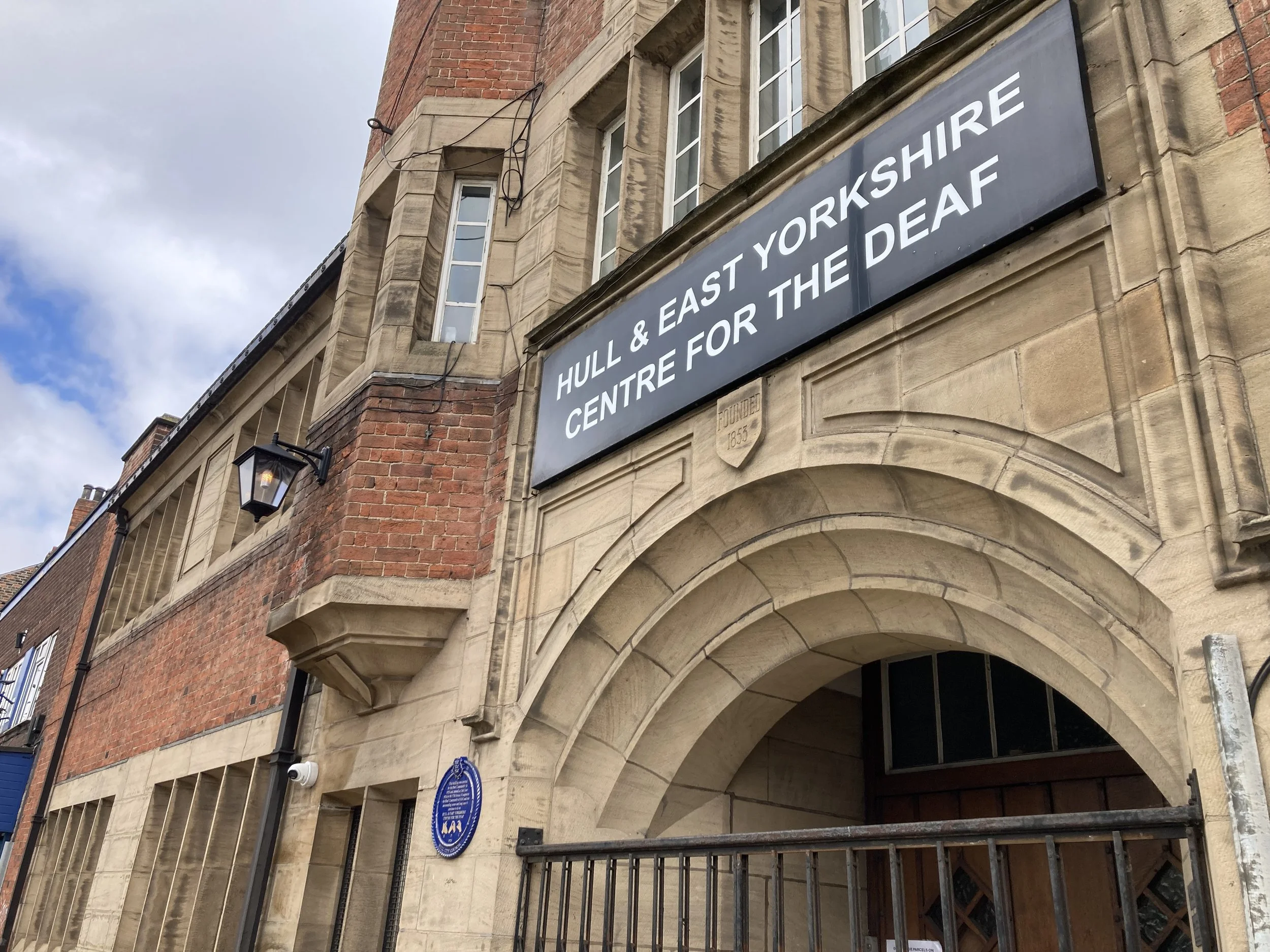
MILESTONE: The centre opened in June 1926
Inside, the layout was originally designed with separate facilities for men and women accessed off two curving corridors.
On the men’s side was a large billiards room while the women had a reading room and a waiting room. These days the rooms are open to both sexes.
The biggest internal change has been the relocation of an original central church chapel which has been replaced by a bar with a smaller chapel used for weekly Sunday services operating in another room.
A large hall used for social events dominates the rear of the ground floor. Its original regular use as a cinema continues to this day.
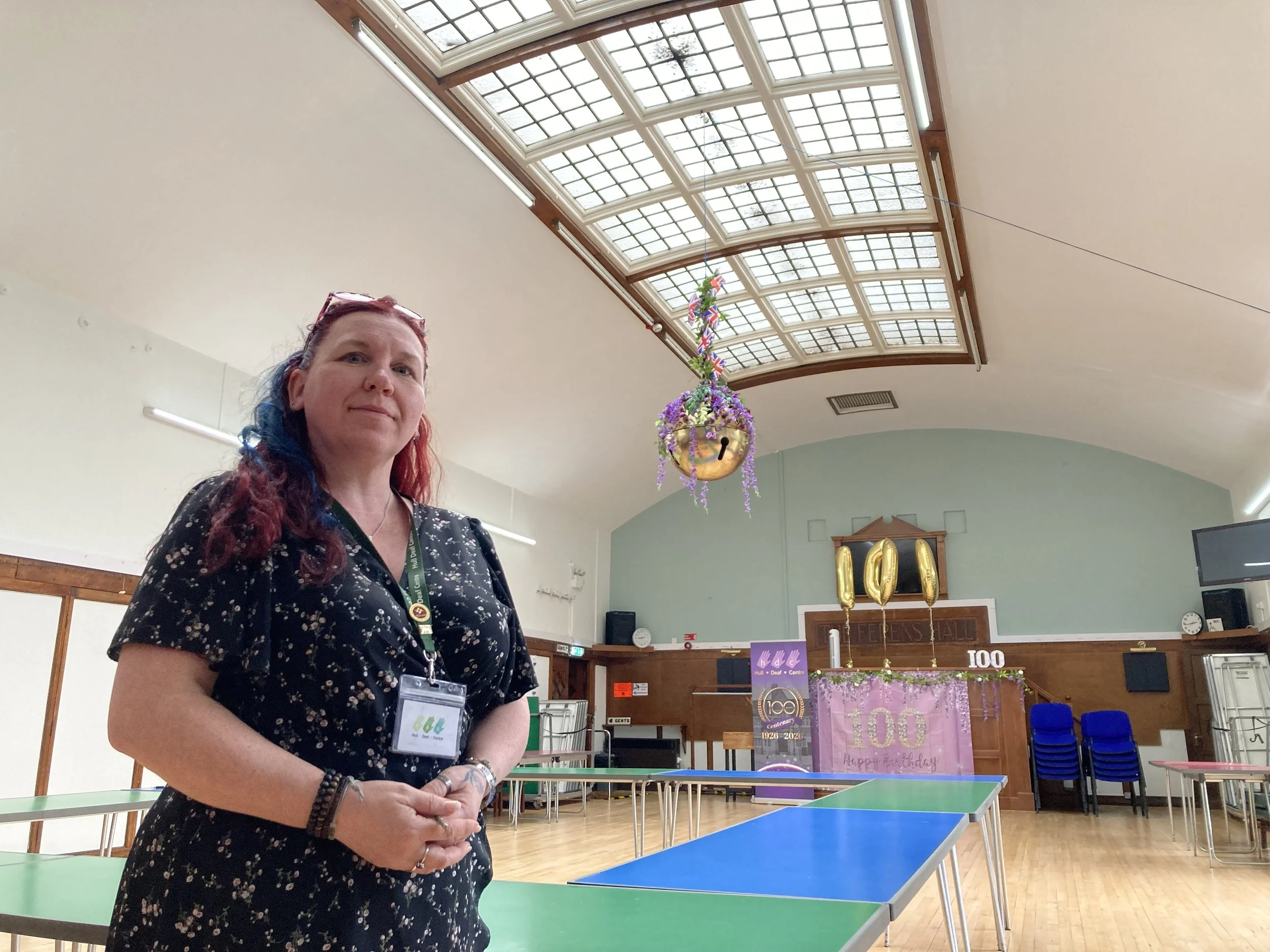
‘IT’S A WAY OF LIFE’: Residential manager Sarah Regan
Residential manager Sarah Regan is one of two full-time staff overseeing operations. Now known simply as the Hull & East Yorkshire Centre for the Deaf, it currently has around 130 members.
Sarah said: “Many people will be familiar with the building because they probably go past it every day but few people realise how big it is inside. It’s quite a footprint.
“The deaf community absolutely loves coming here. For many, it’s like a second home.”
A visit by Princess Anne later this month will officially recognise the anniversary and a series of special events and activities will continue for the rest of the year.
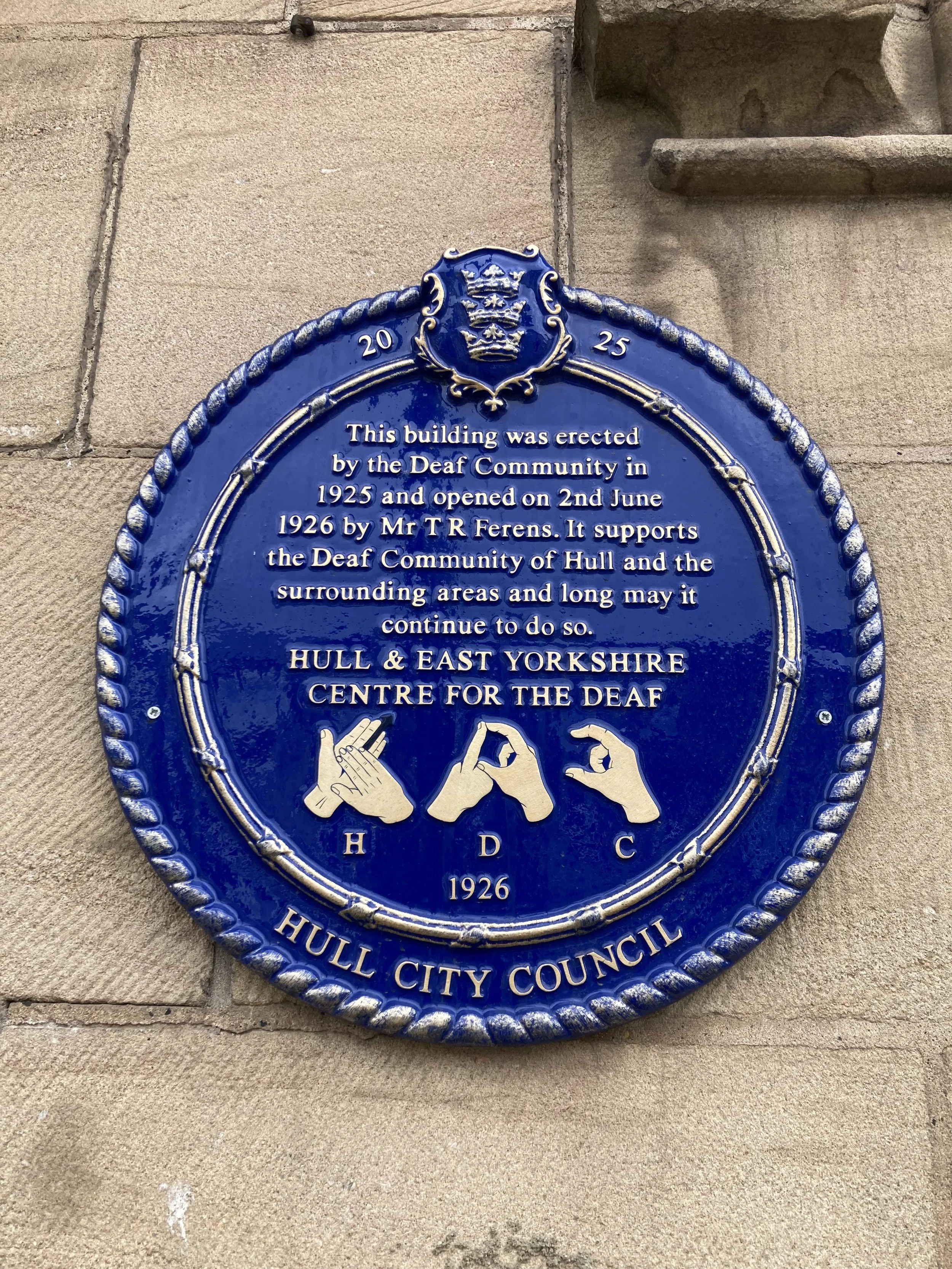
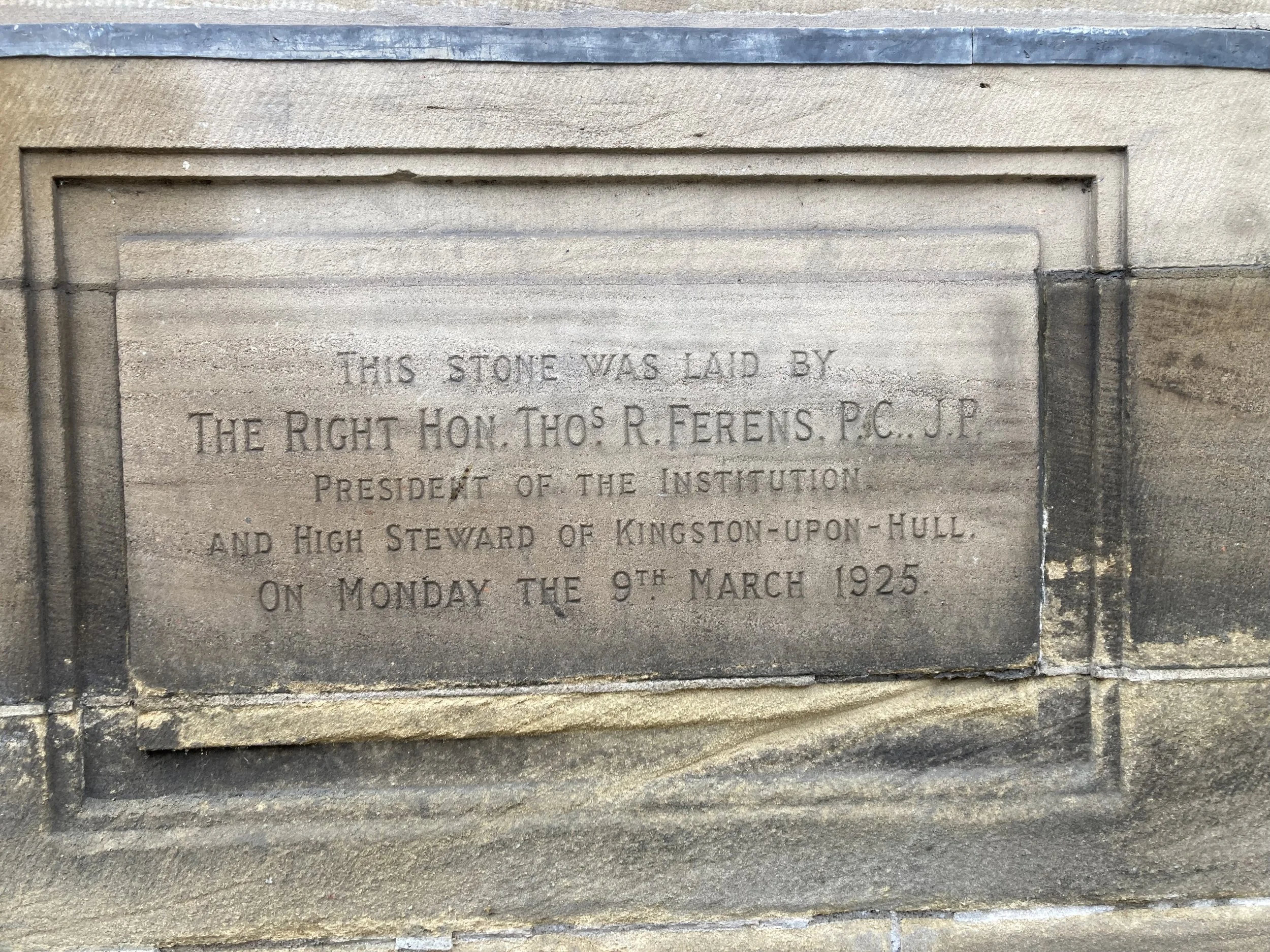
There have also been a couple of recent additions to the building as part of the celebrations.
“We’ve now got a blue plaque on the front which we believe is unique because it also features sign language,” said Sarah.
“We also commissioned a hanging lantern with financial support from the city council’s ward councillors which is a reference to the old street lights in High Street where it all started.”
Legend has it that members of Hull’s deaf community first started to meet and organise themselves as a group after work under lanterns in the Old Town, allowing them to see the movement of each other’s hands.
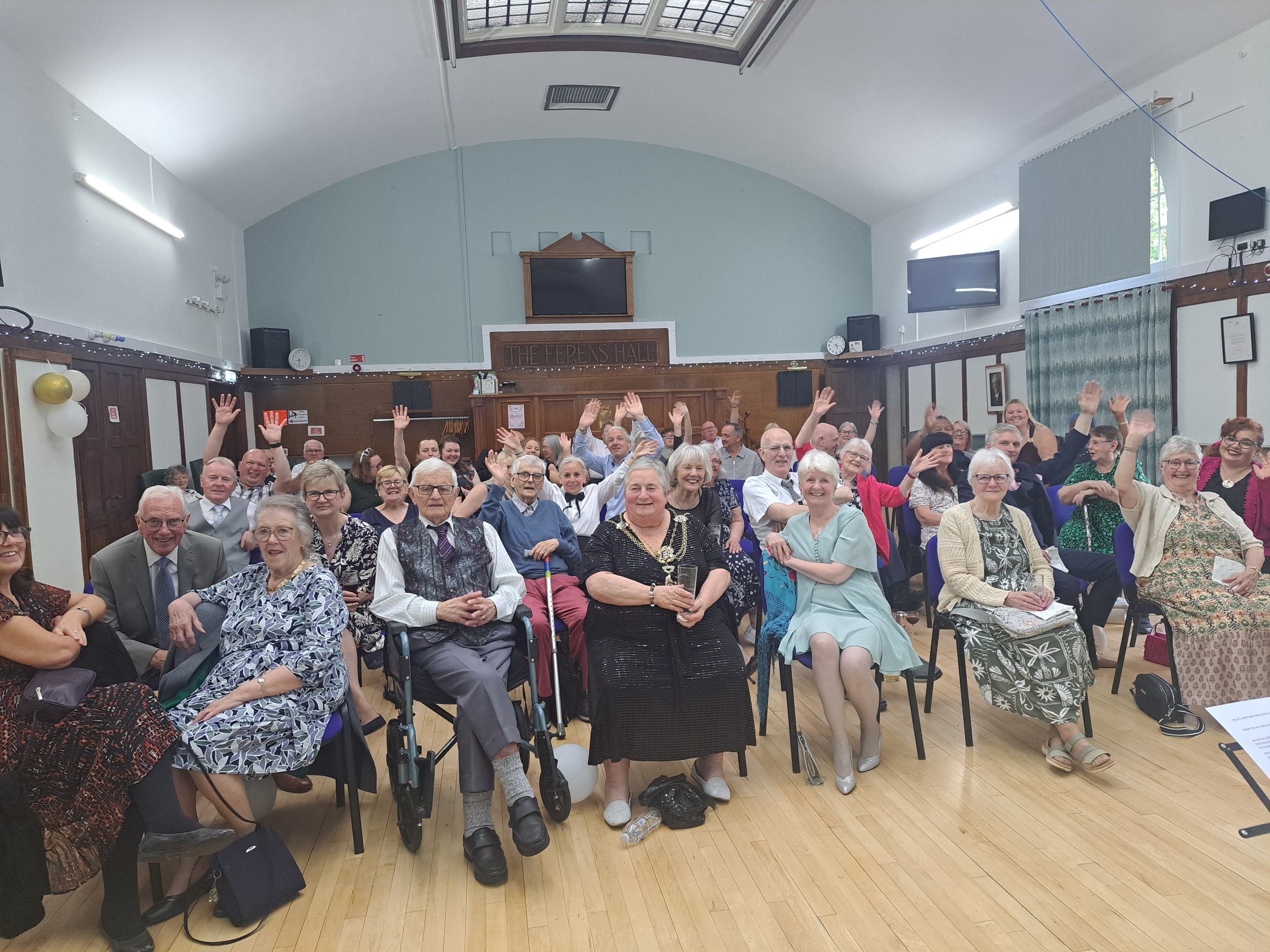
COMMUNITY: A celebration attended by the then Lord Mayor of Hull, Councillor Cheryl Payne
Meetings were then held in nearby pubs with members paying subscriptions. By 1853 a charity was established and the organisation expanded, moving to different rented premises before buying a property in Dock Street.
In the early 1880s with an expanding number of boarders, the charity moved to Velbrave Terrace on Spring Bank – just ten doors away from where it is now.
Sarah, whose father is deaf and was chairman of the charity for 20 years, has known the current building all her life and has been residential manager for the last 11 years.
She said: “I love working here. It’s more than a job, it’s a way of life.”